

This is one of those games where I wonder if it was really necessary to watch 11 SMU games this season and take an average of 6 highlight clips per game: Cal is limping their way to a bowl game after firing the head coach, while SMU is just now hitting their stride and playing for an ACC championship game appearance. SMU (and Virginia) can clinch a title game appearance with a win (Pitt gets in with a win and SMU or Virginia loss, while Duke/Georgia Tech/Miami need some combination of multiple other teams winning or losing), while Cal is likely just playing for pride (and to not get blown out). So although there will be a lot of Pitt/Duke/GT/Miami fans pulling for Cal this Saturday, it’s not likely to matter. I thought about creating a special teams section here (does it matter that their field goal kicker missed a 38 yard FG against Baylor to lose in double overtime?), but decided against it after realizing that the score deficit will likely be counted in touchdowns, not field goals.
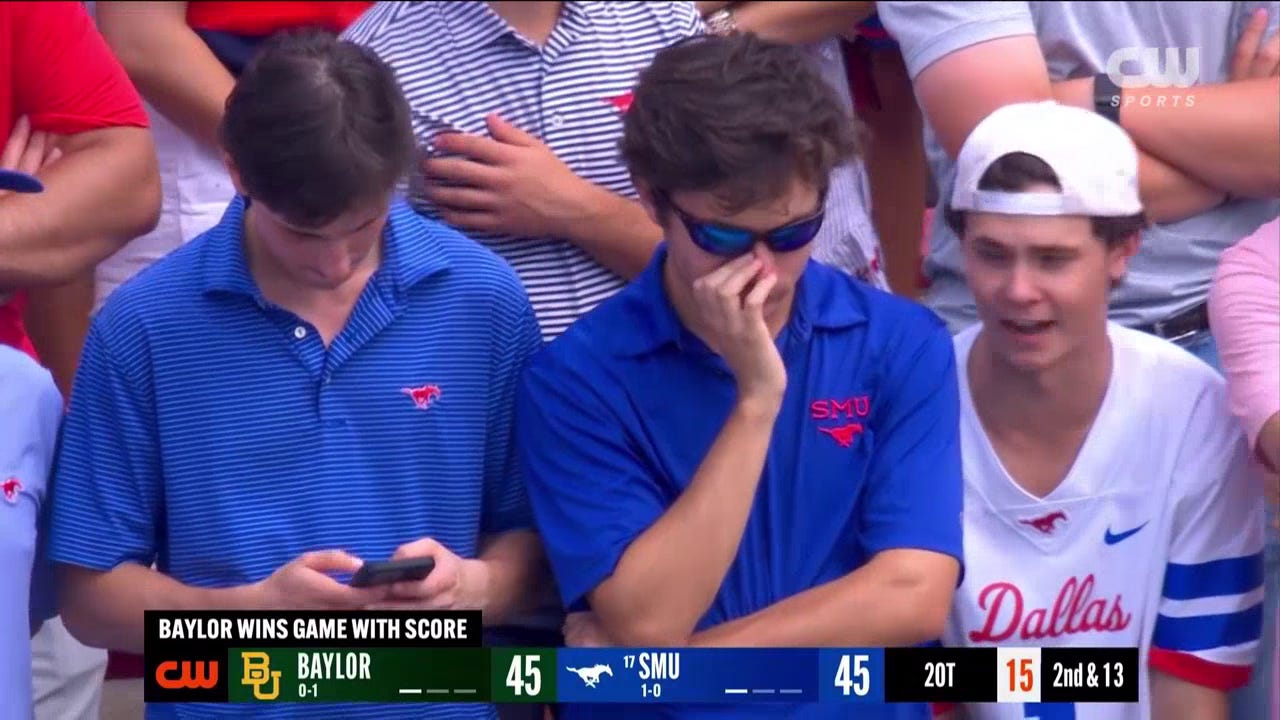
When I say SMU is hitting their stride now, I mean it. While Cal under Wilcox has been known for October slumps, SMU under head coach Rhett Lashlee has been known for their November surges: SMU is 14-1 (soon to be 15-1) in the month of November under Lashlee. SMU had some early season struggles—their offense rising and falling with the health of their star quarterback, Kevin Jennings—but he looked sharp dismantling Louisville last week after having an extra bye week to recover.
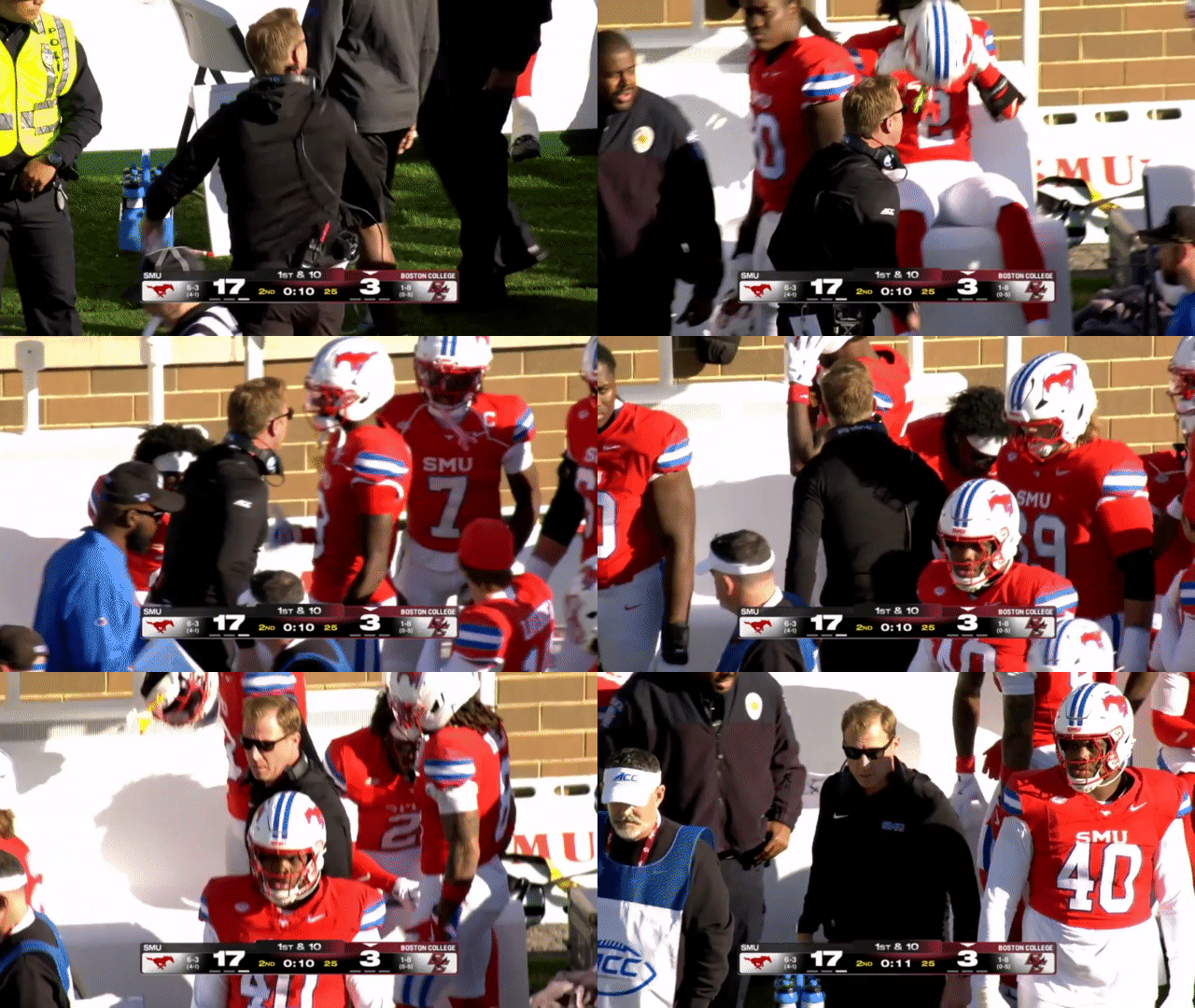
On defense, SMU is prone to boom or bust play. They have a very strong defensive line, but the rest of the defense is prone to missing tackles or having holes in the coverage. SMU’s defense makes up for the weak passing defense by being very opportunistic in takeaways: SMU leads the FBS in turnovers gained (10 fumbles recovered, 17 interceptions), 5th in the FBS in sacks (34.0 sacks), and 26th in the FBS in TFLs (72.0 TTFLs).
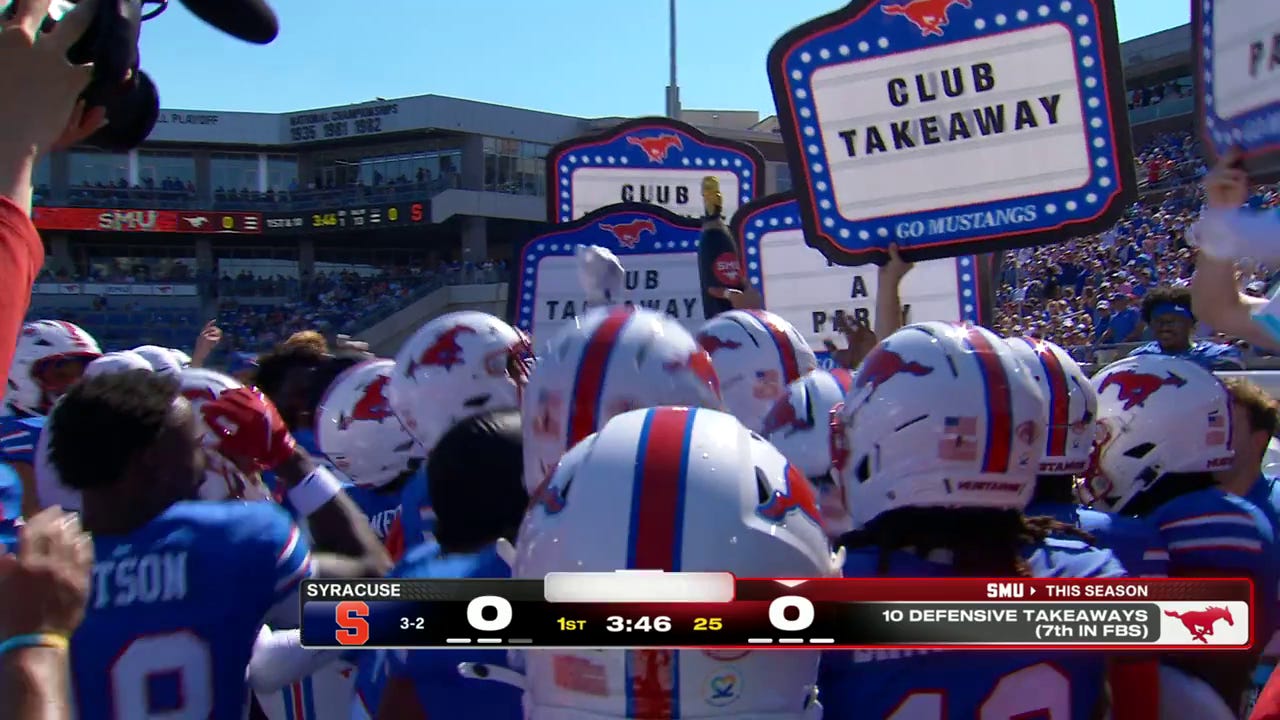
So while I am not particularly impressed the coverage in the secondary, the resulting pressure they are able to get on opposing quarterbacks results in errant throws for INTs and a lot of teams playing behind the sticks (e.g. 3rd and longs, obvious passing situations, etc). A team with a strong offensive line and a quarterback that can pick apart a secondary will pose a significant challenge to the SMU defense (take Baylor’s Sawyer Robertson, who threw for 440 yards and 4 TDs, or TCU’s Josh Hoover, who threw for 379 yards and 5 TDs). Cal, unfortunately, only has one of those two things.
Let’s take a more detailed look at the offense.
Quarterback
I covered quarterback Kevin Jennings last year, so I’ll try to highlight what’s new or different this season. I wrote last year how I thought that Kevin Jennings was criminally underrated—and in my view, he still is: check this PFF article ranking him as the #36 NFL QB prospect, below players like #9 Carson Beck or #11 Drew Allar, and below a number of prospects that PFF couldn’t bother to summarize, all for the high crime of being 6’0” and 192 pounds. (I’ll leave it as an exercise to the reader how many quarterbacks PFF ranked above him are also 6’0” or shorter near 200 lbs.—say #12 or #16—or which NFL starting QBs also fail this criteria). And sure, you can’t fix height (although plenty of tall QBs are overrated), but you don’t think an NFL strength and conditioning program can help him bulk up a little? Ranking Jennings #36 should be a crime.
Jennings may face durability concerns at the next level, but he’s still an excellent college quarterback. He’s extremely athletic (like he can legitimately do a 360 dunk in basketball), he can throw from any angle, from the pocket or on the run, and he has that immeasurable improvisational ability to create plays when nothing is there.
I think the biggest difference from last year is that Jennings has been struggling with an ankle injury that has limited his mobility earlier this season. It looked like he was injured on the last offensive play against Missouri State (and it looked like he re-aggravated it against Miami), so Jennings hasn’t really run the ball as much this season. He had 354 rushing yards last year, but only 27 rushing yards this season (although keep in mind that sacks count against rushing yards in college— and by my count, he had 167 yards lost to sacks in 11 games this season, which means he actually has 194 yards rushing, or about 17.6 rush yards/game). His ankle didn’t seem to bother him much last week against Louisville (fresh off a bye week), so keep an eye on Jennings ankles and if they’re still heavily taped up. There might also be an element of defense scheme here—Jennings was such a dangerous runner on the ground last year that defenses have made it a focus in preparing SMU to limit explosive runs by Jennings (which has also made it easier for him to find yards through the air this season).
Another thing I noticed this year is Jennings’s leadership. Here Jennings is seen giving props to the long snapper:
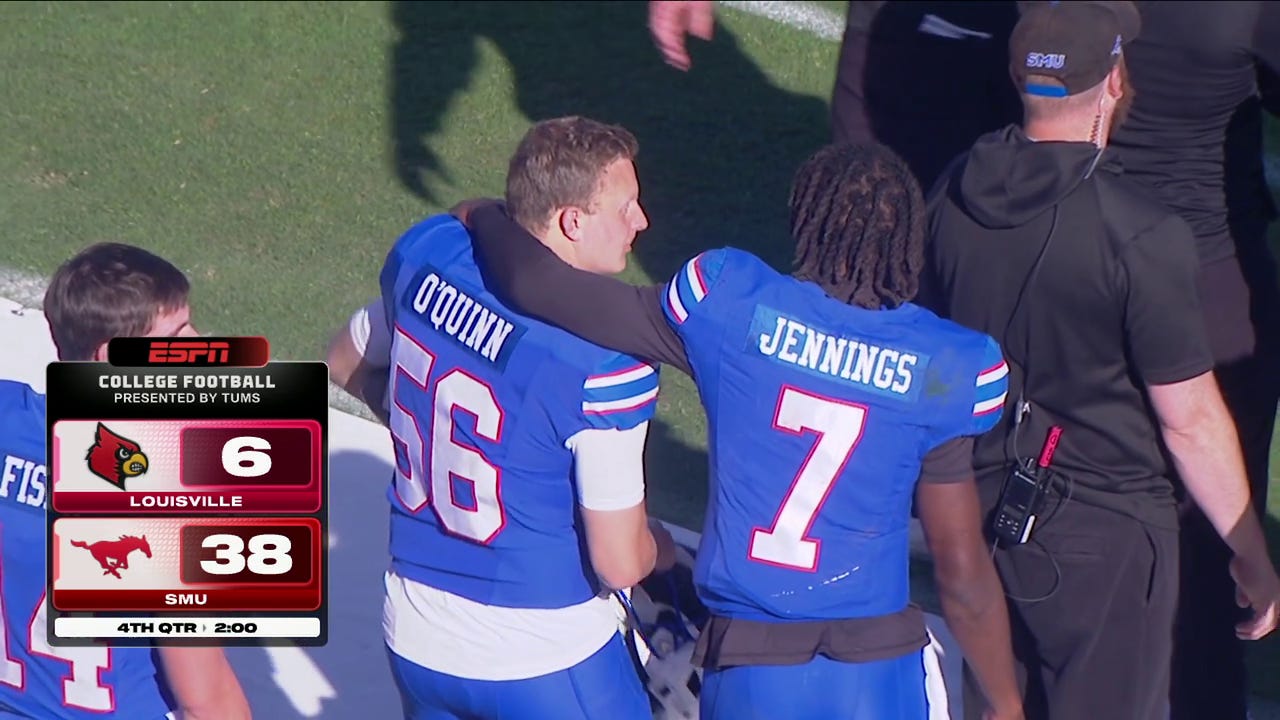
Jennings’s arm, accuracy, mobility, and ability to extend plays make him a dangerous quarterback.
One of Jennings's best throws is to the boundary:
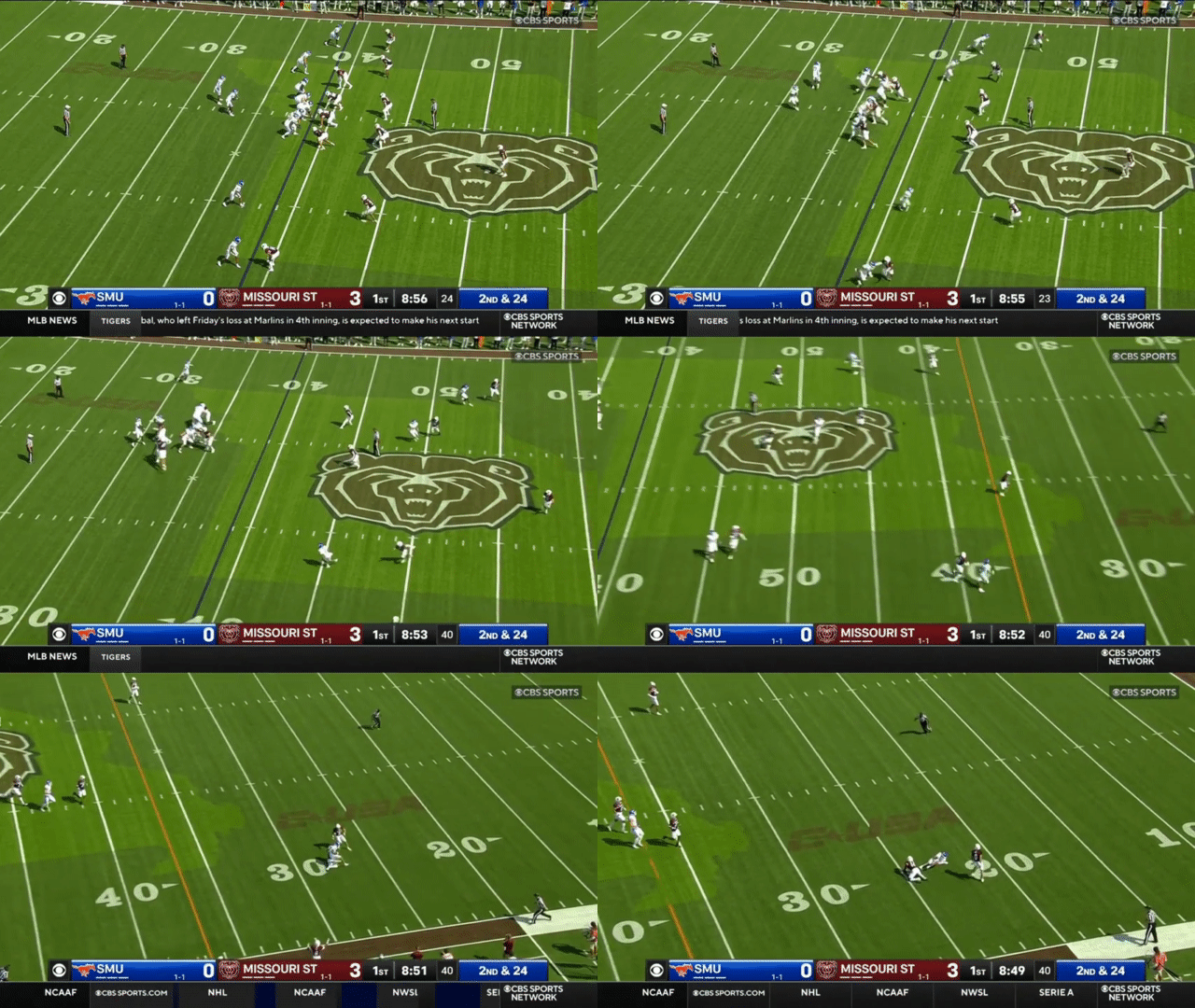
Jennings also does well in throwing intermediate length throws, particularly in tight windows between defenders, because of his ability to throw a laser:
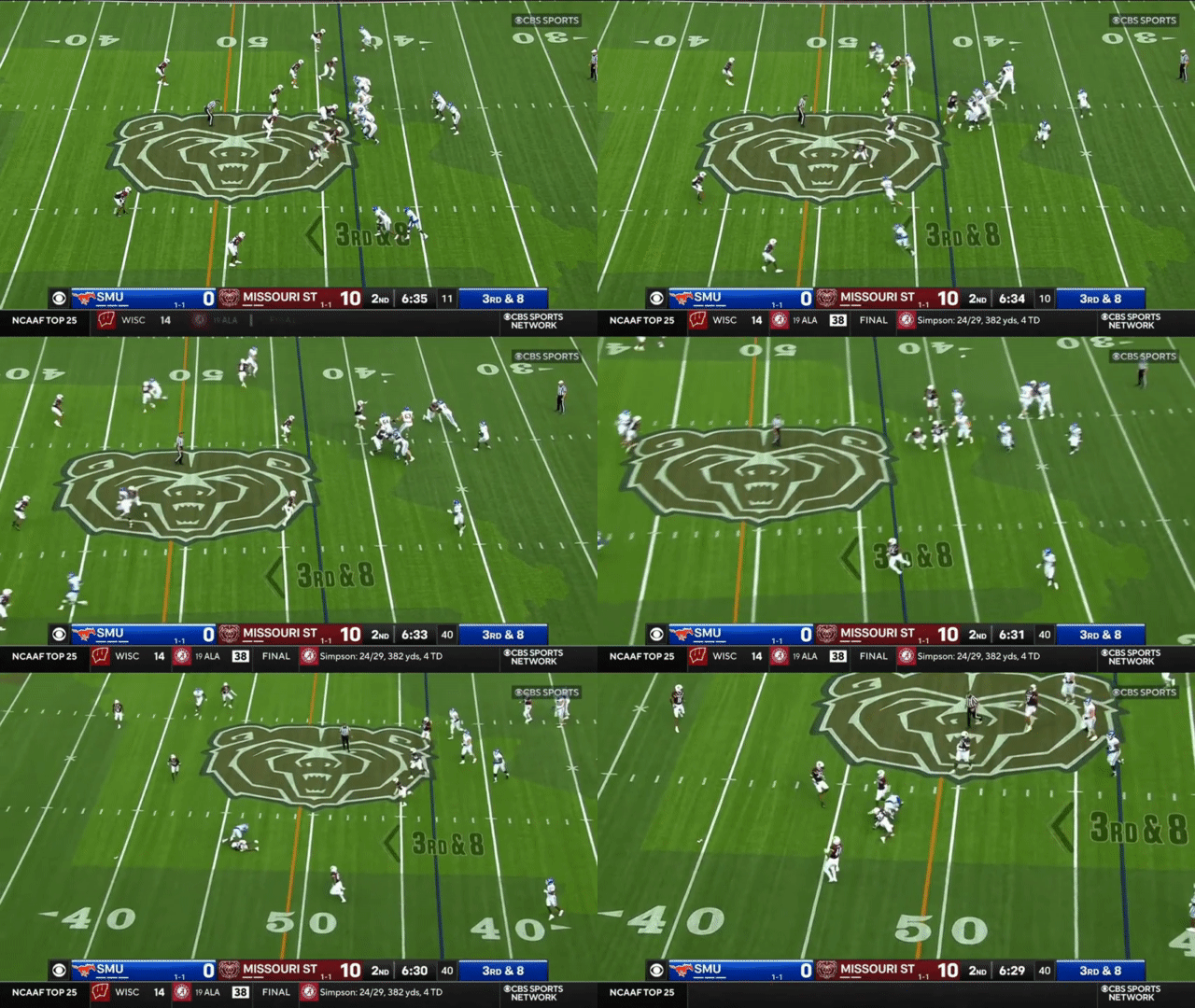
Jennings has great spatial awareness and a natural feel for the pocket. He does an excellent job of sensing blitzes and navigating the pocket, buying plenty of time for his receivers to come open:
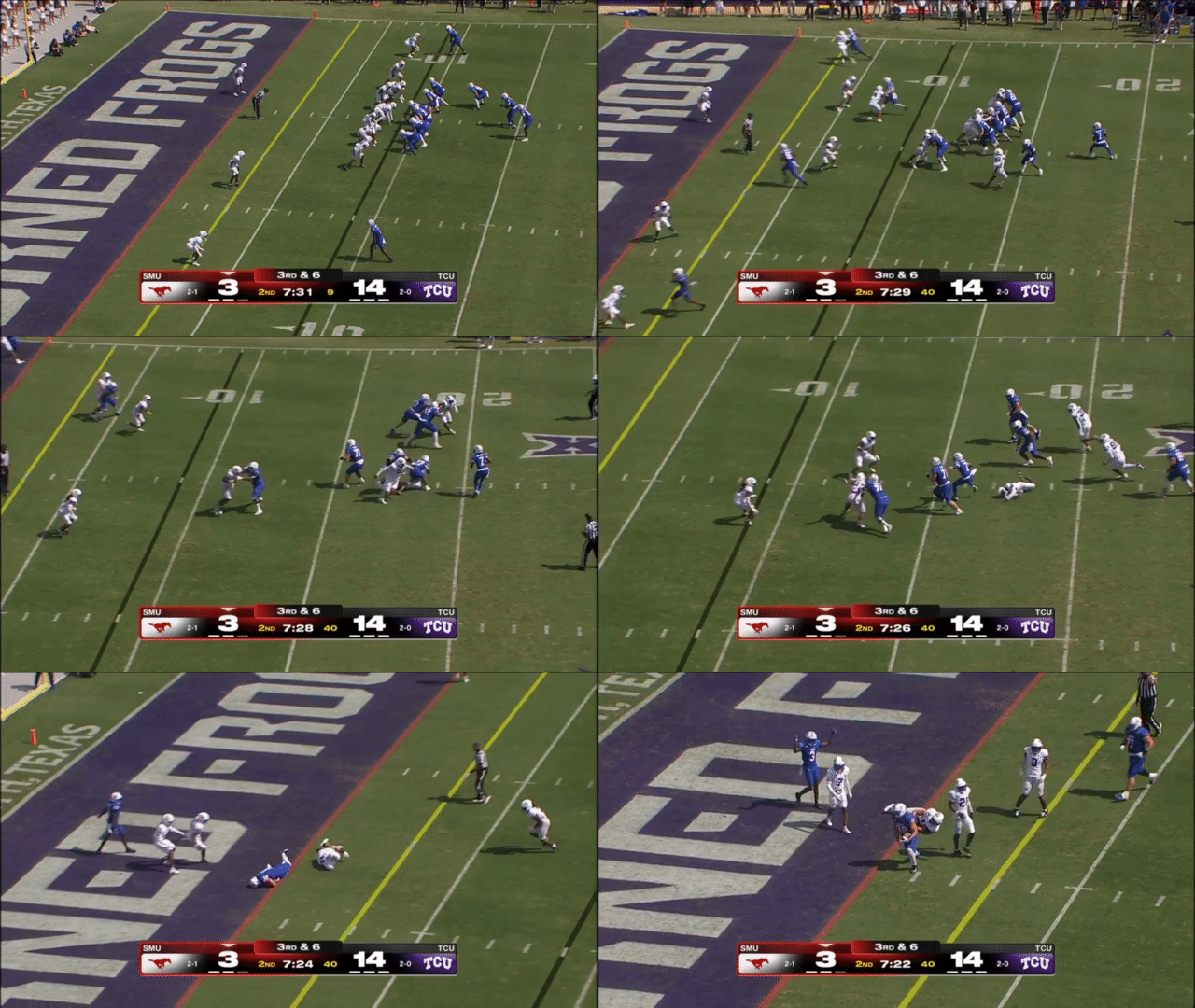
Jennings can throw on- and off-platform and from a variety of angles. He’ll sometimes unnecessarily throw off his back foot which can affect his accuracy, but he also has plenty of accurate throws while doing so:
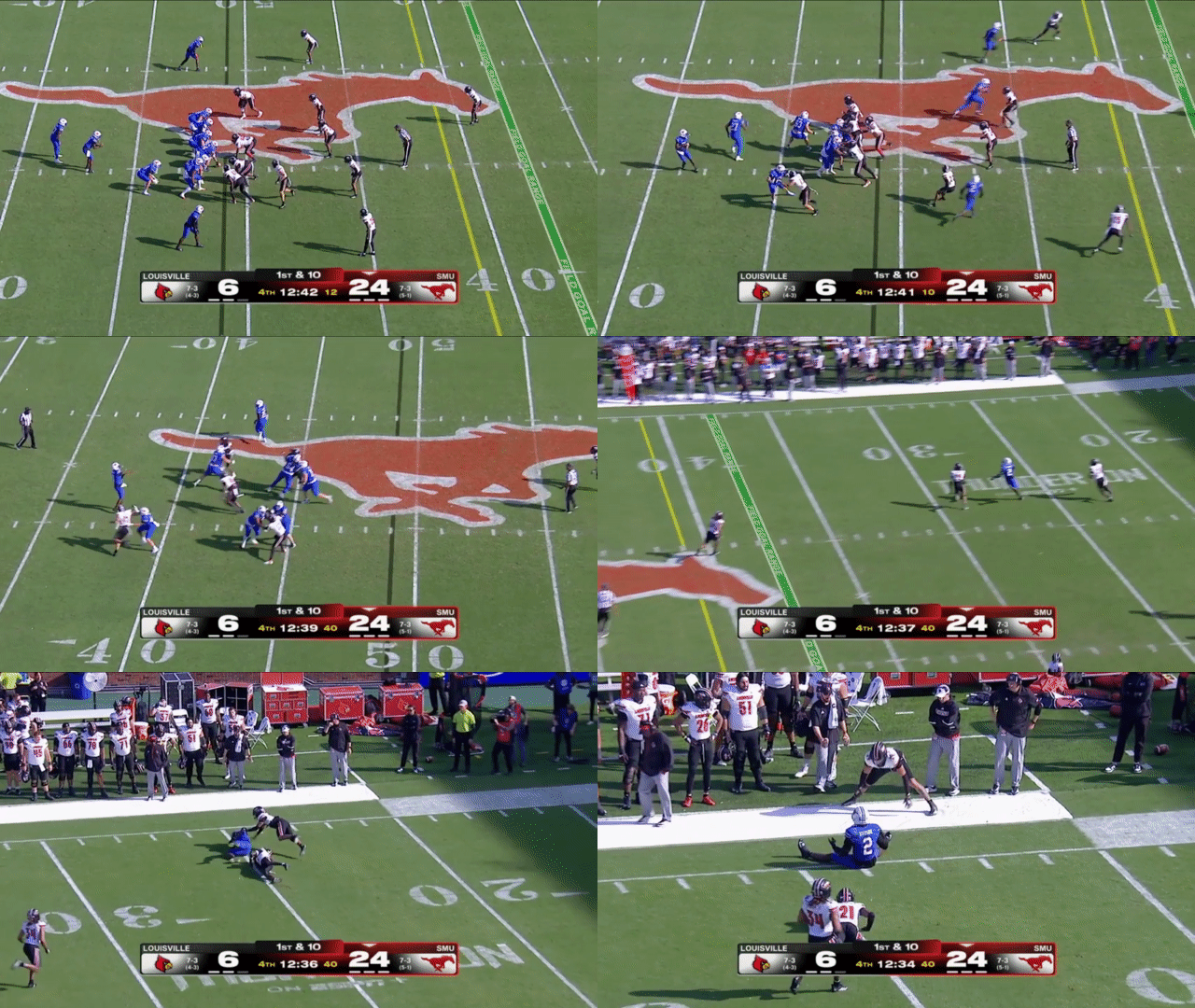
Here’s another off-platform throw, also to the boundary:
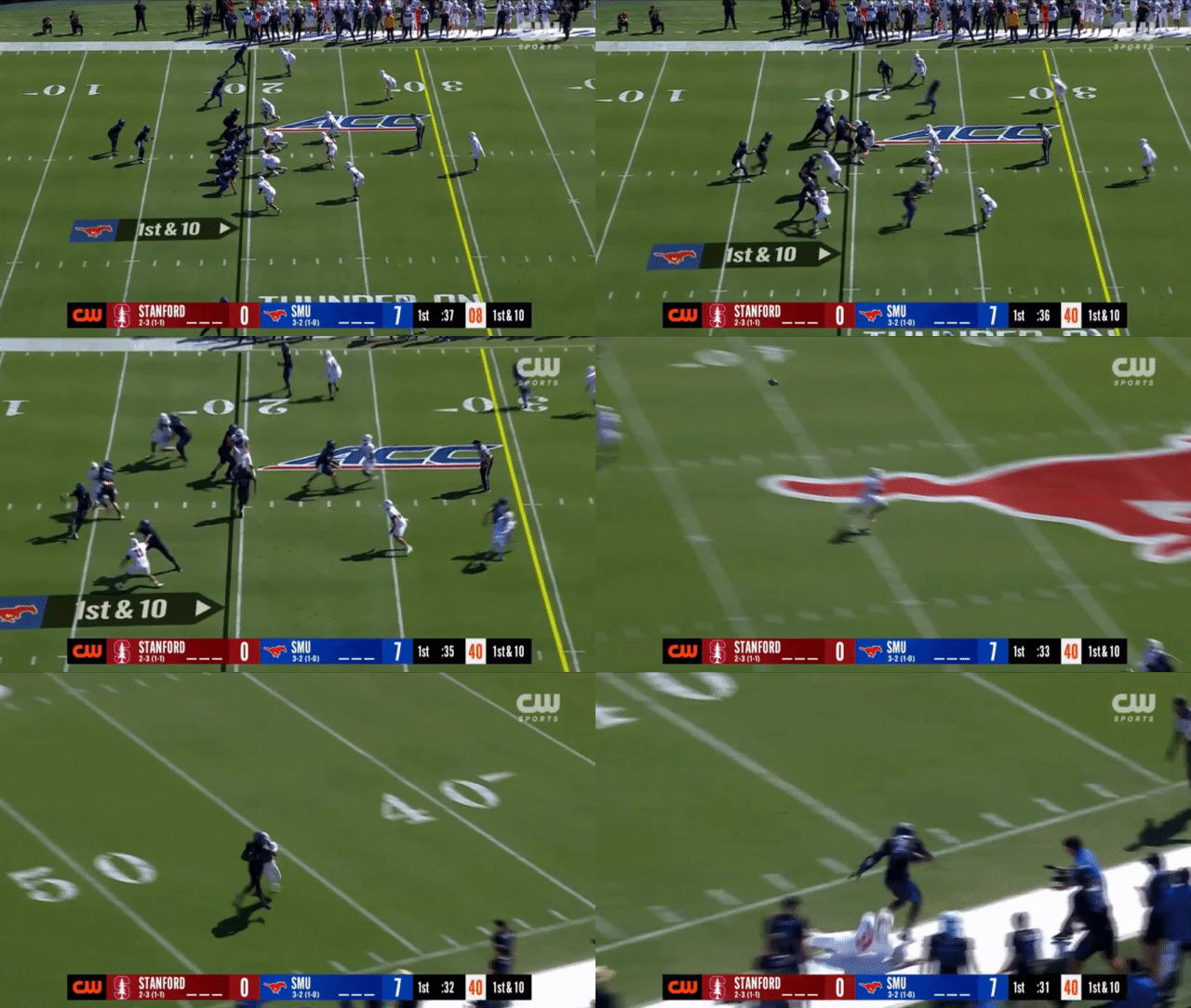
Jennings is much better than most dual-threat quarterbacks at throwing on the run:
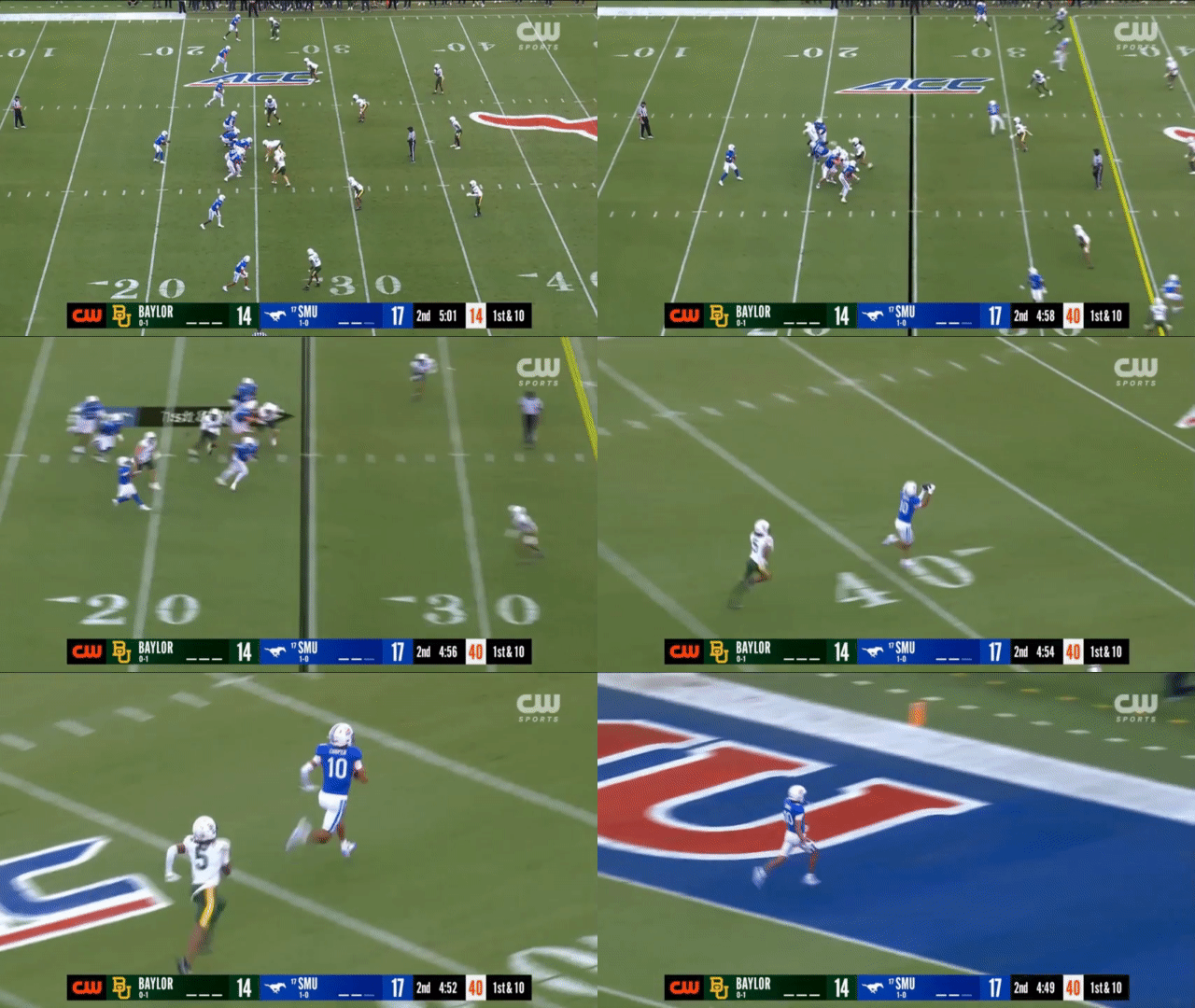
It’s also clear this season that defenses take the threat of a Jennings’s run quite seriously, which Jennings has also used to his advantage. The following is a routine play this season, where Jennings running the ball (often taking just one or two false steps to show run) will draw in the defense to open up his receiver:
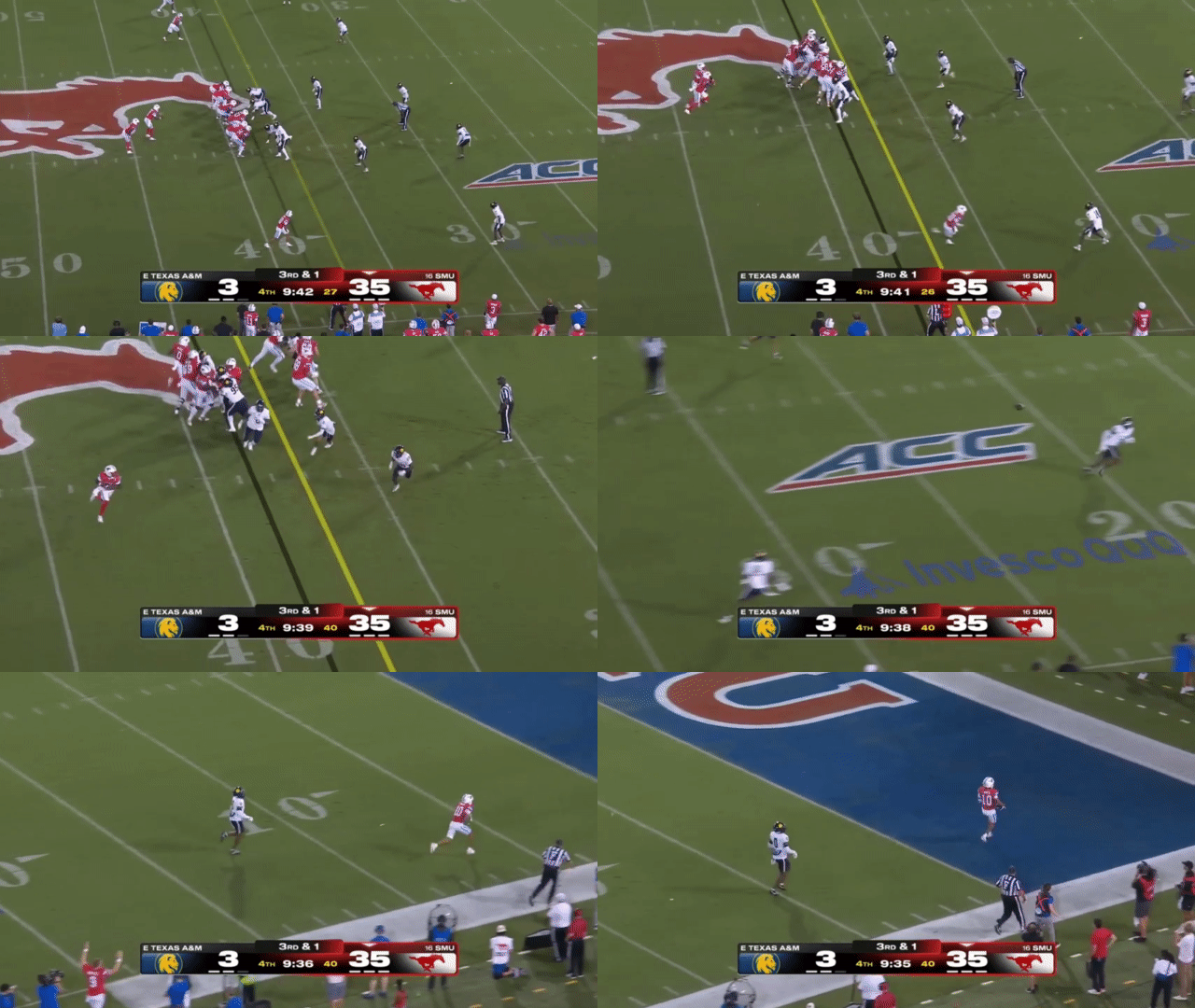
As I mentioned earlier, Jennings can throw from a variety of arm angles, such as this sidearm throw he makes to avoid the pass rush:
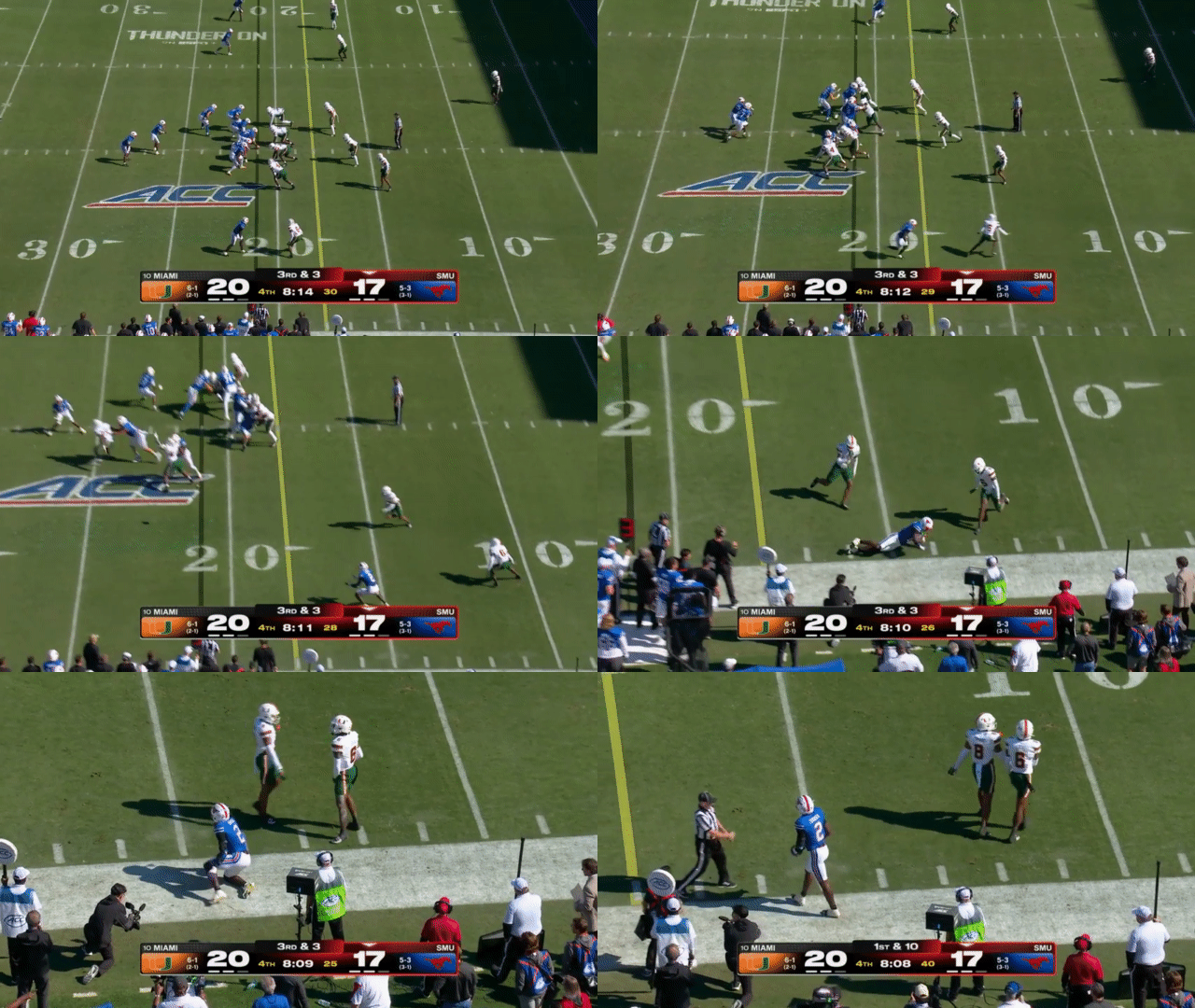
It’s also clear this season that sometimes Jennings just goes completely off-script. I’m not really sure this is how they drew it up, but it looks like the initial play is not there, and though Jennings in the past would probably run this one himself (with the RB as the lead blocker here), he ends up shovel passing it to the RB instead:
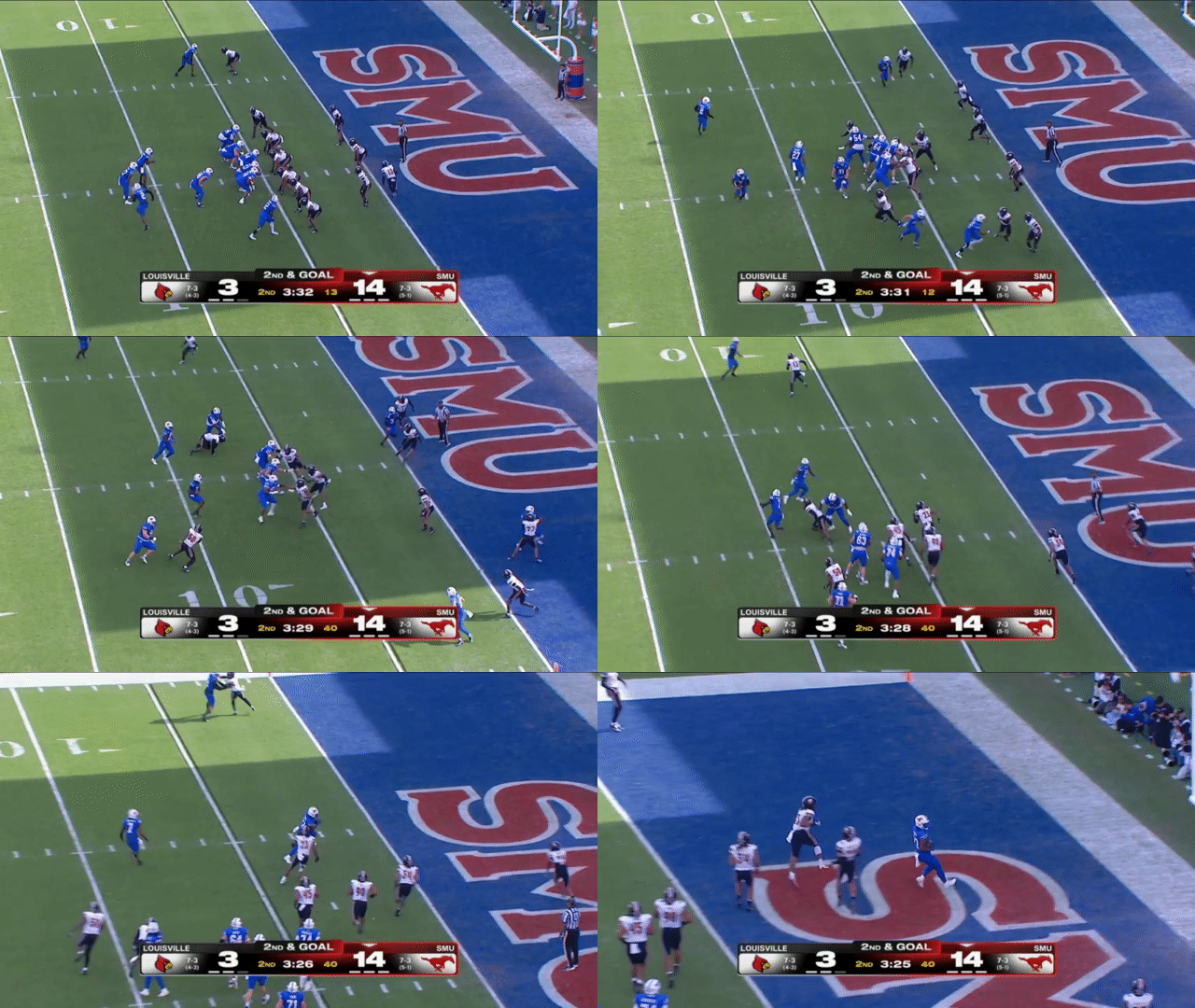
Another “is this really how they drew it up?” play was this one, where Jennings decides to toss it behind the back:
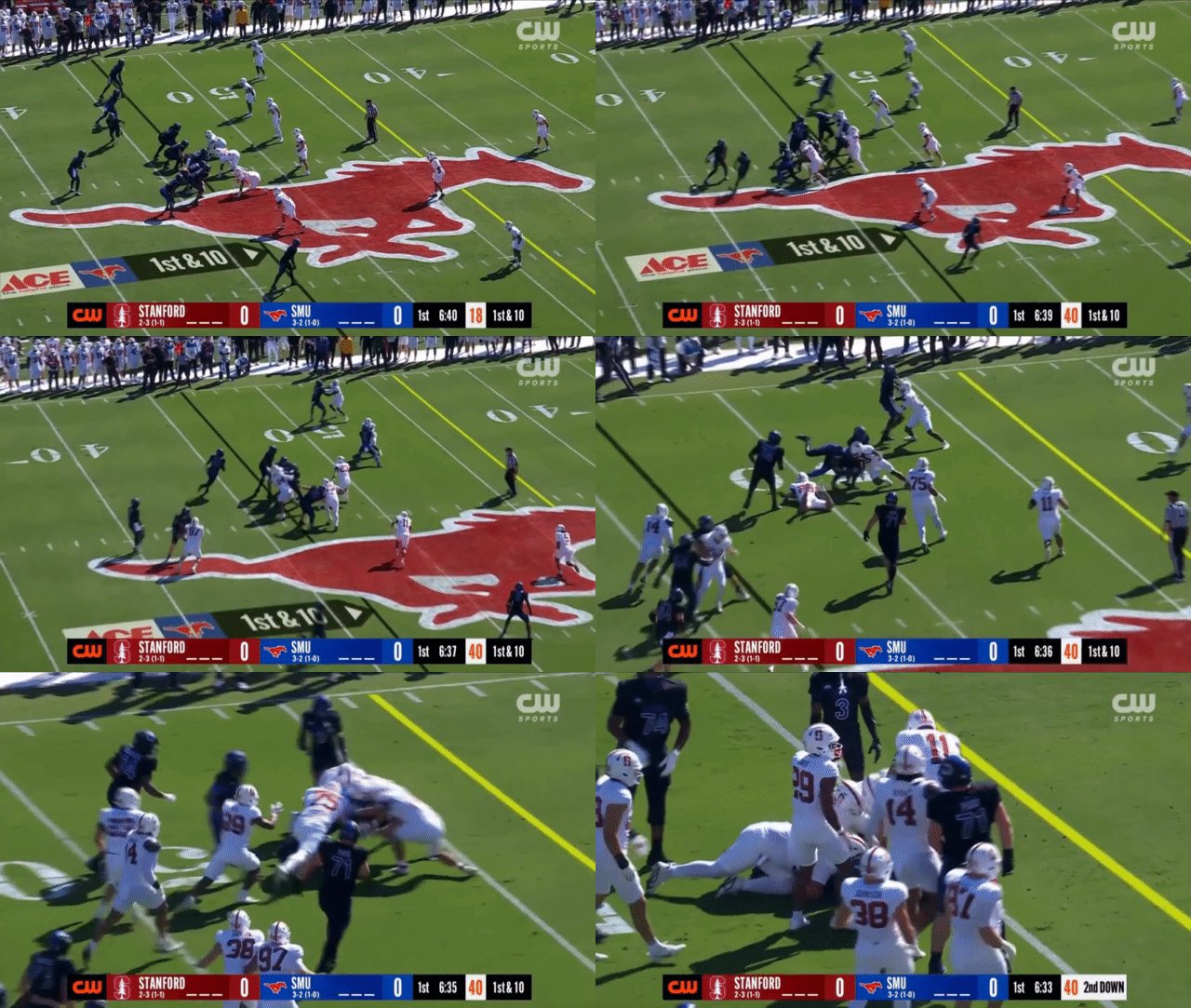
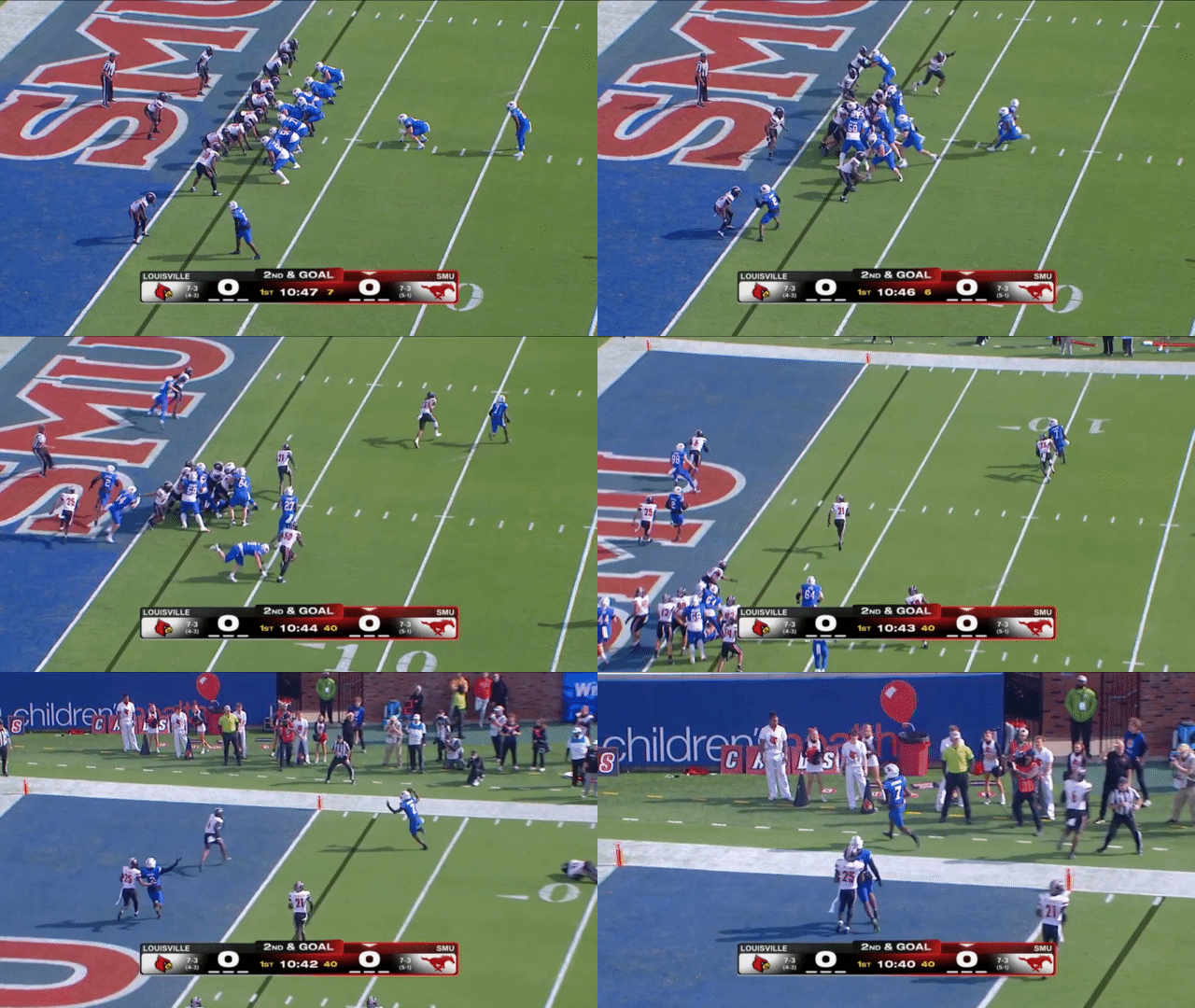
Even with his ankles taped up, Jennings still had a few designed run plays (although maybe not as effective as they were last year) and could still scramble his way into the endzone:
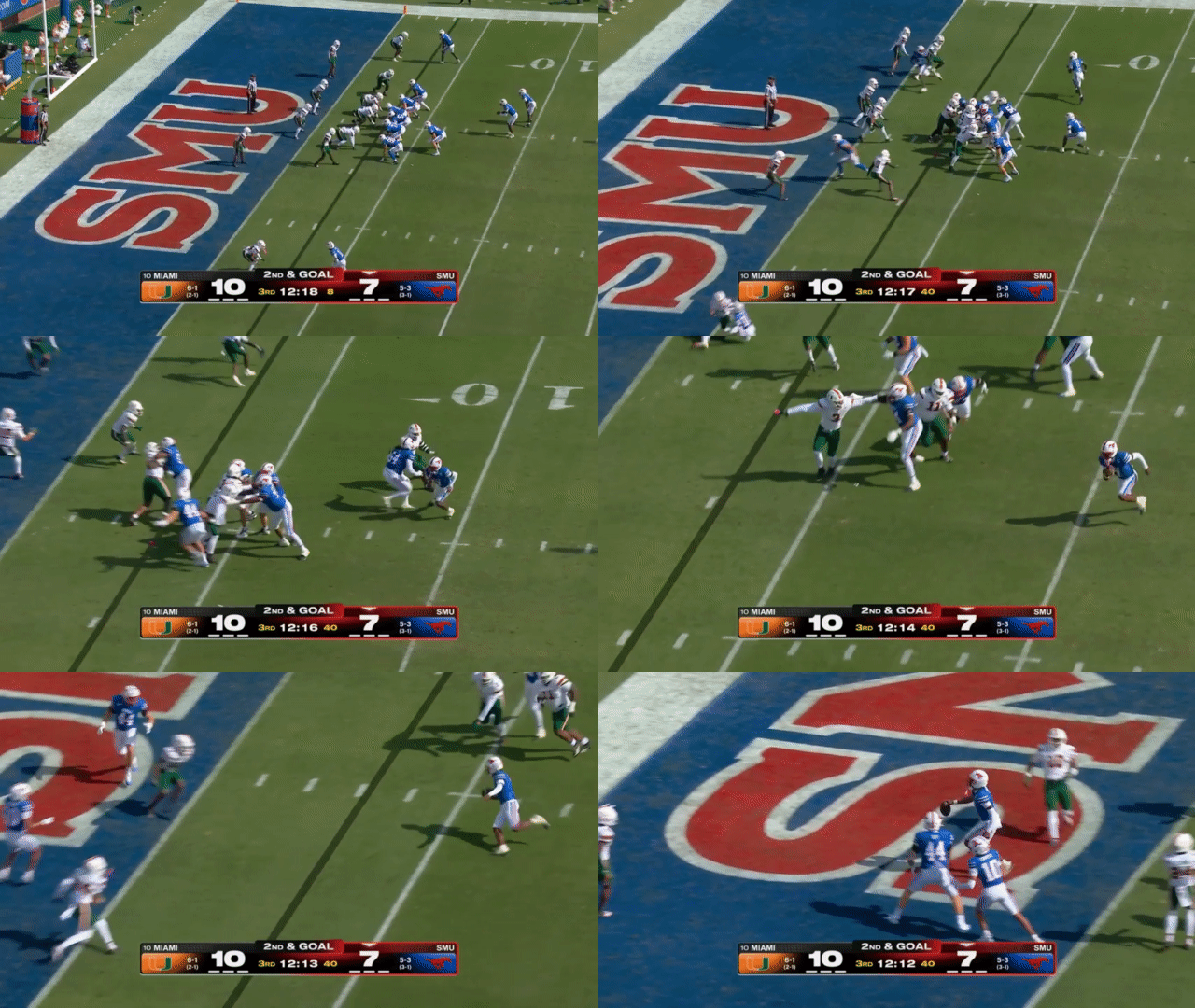
Here’s another play that looks like it shouldn’t have worked, but did thanks to Jennings’s athleticism. SMU brings in their jumbo package with 3 TEs for what looks like a short run up the middle, only for Jennings to keep it, evade a tackler, and run it in himself:
That’s just one of those plays where there’s really nothing the defense could have done differently: everyone stayed in their lane and did what they’re supposed to do, but the offense won due to individual ability.
Here Jennings avoids the blitz and still picks up a big first down with his legs:
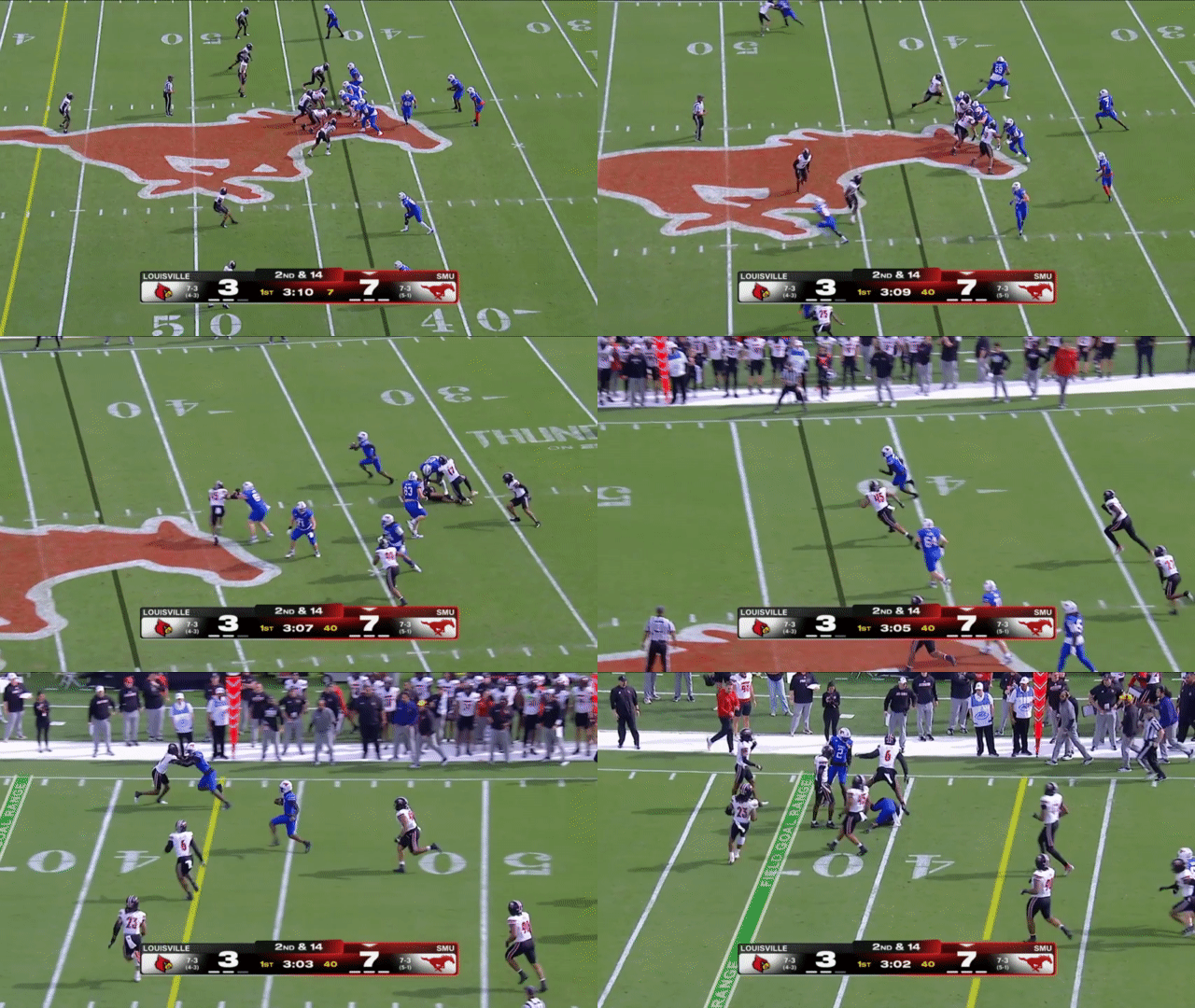
One of the knocks against Jennings by NFL scouts is that he occasionally misses on what should be a routine throw for him:
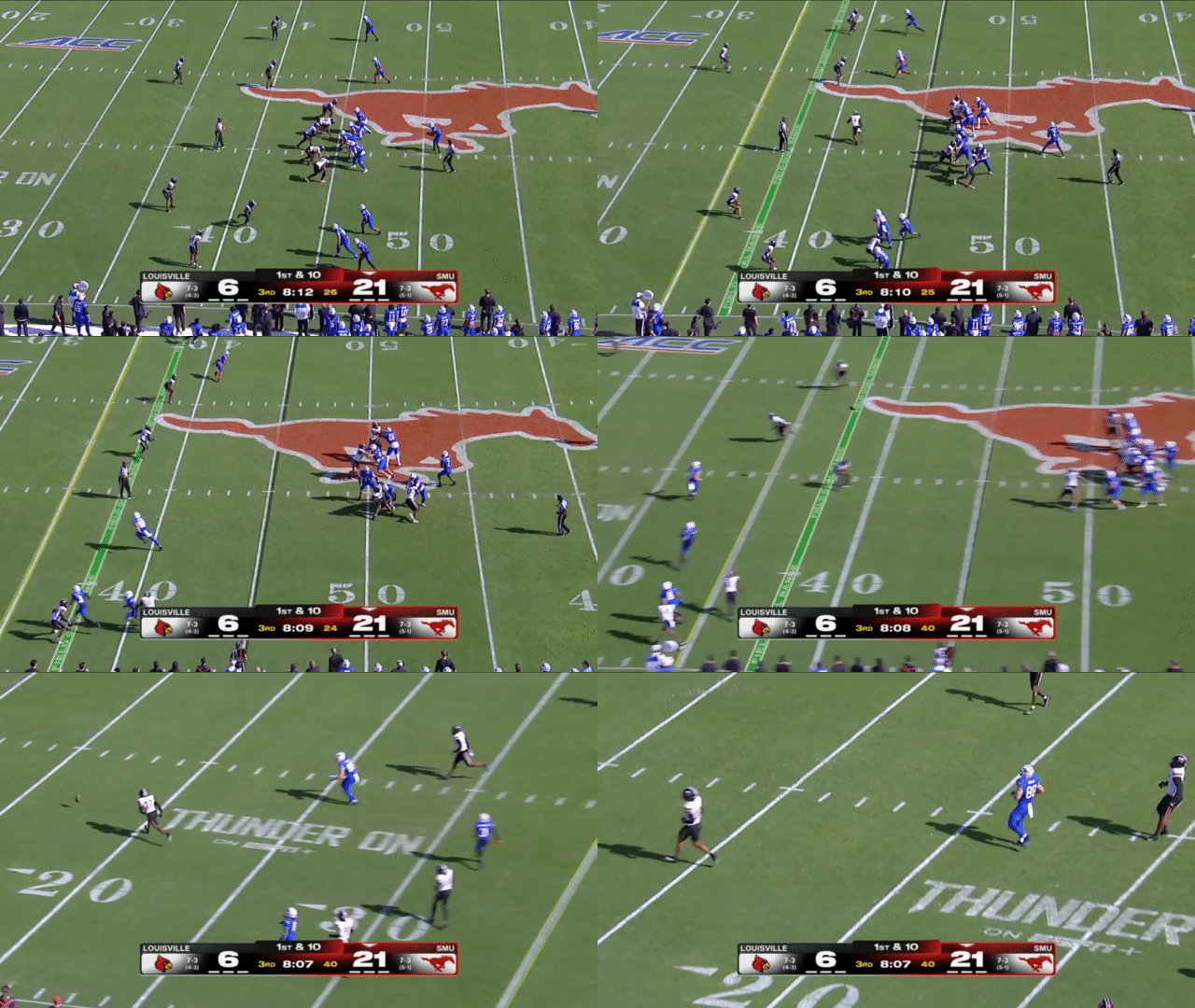
Jennings has some very talented receivers (that we’ll see later) and obviously has a lot of trust in them, but he can sometimes get into trouble with overconfident throws. A lot of his interceptions this season are on deflections and tipped passes (which I don’t always blame on the QB), but some of them are on plays where he made a bad decision to throw it:
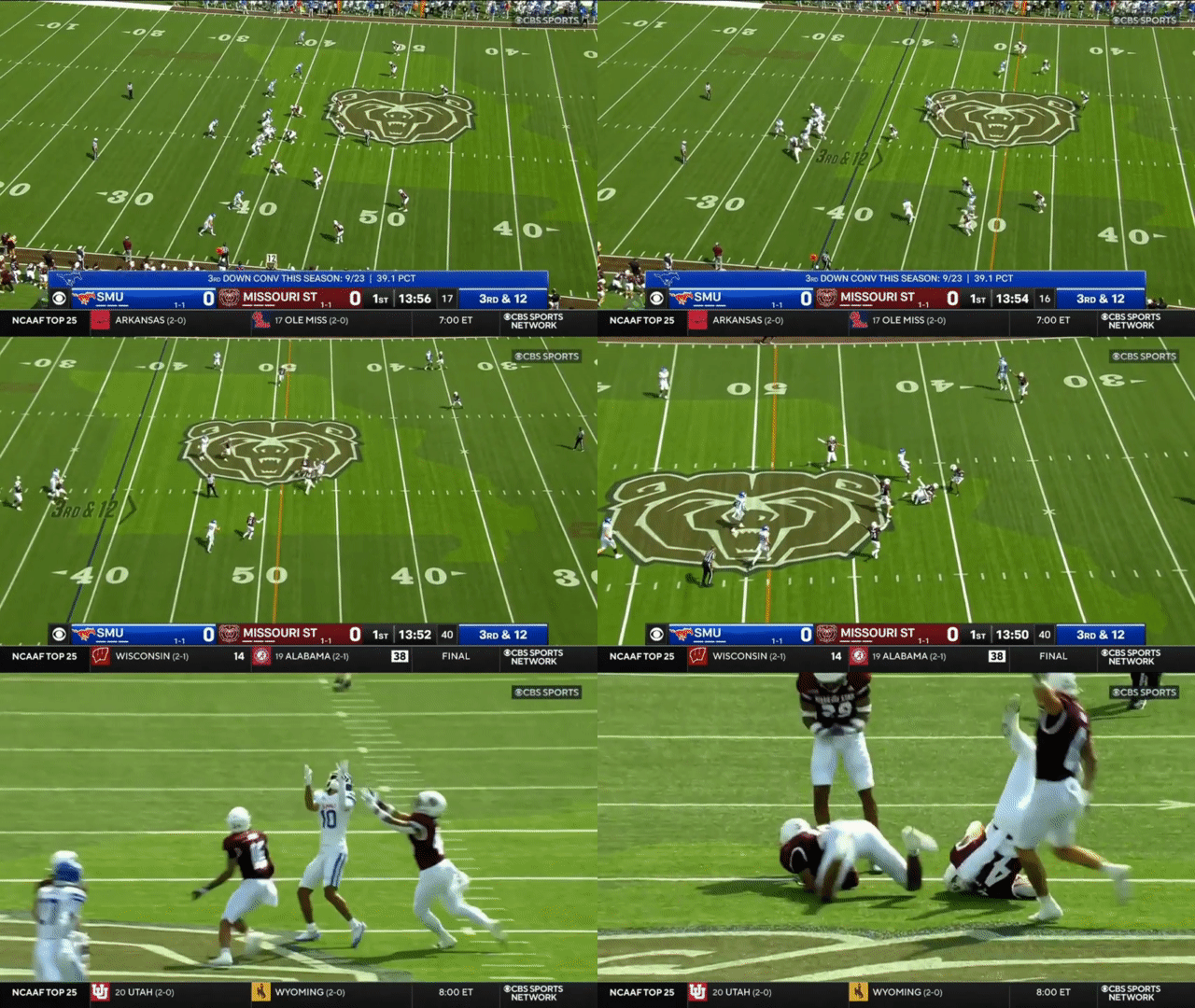
Jennings processing ability also occasionally struggles under pressure, where he’ll lock onto his first read or make a bad throw under pressure:
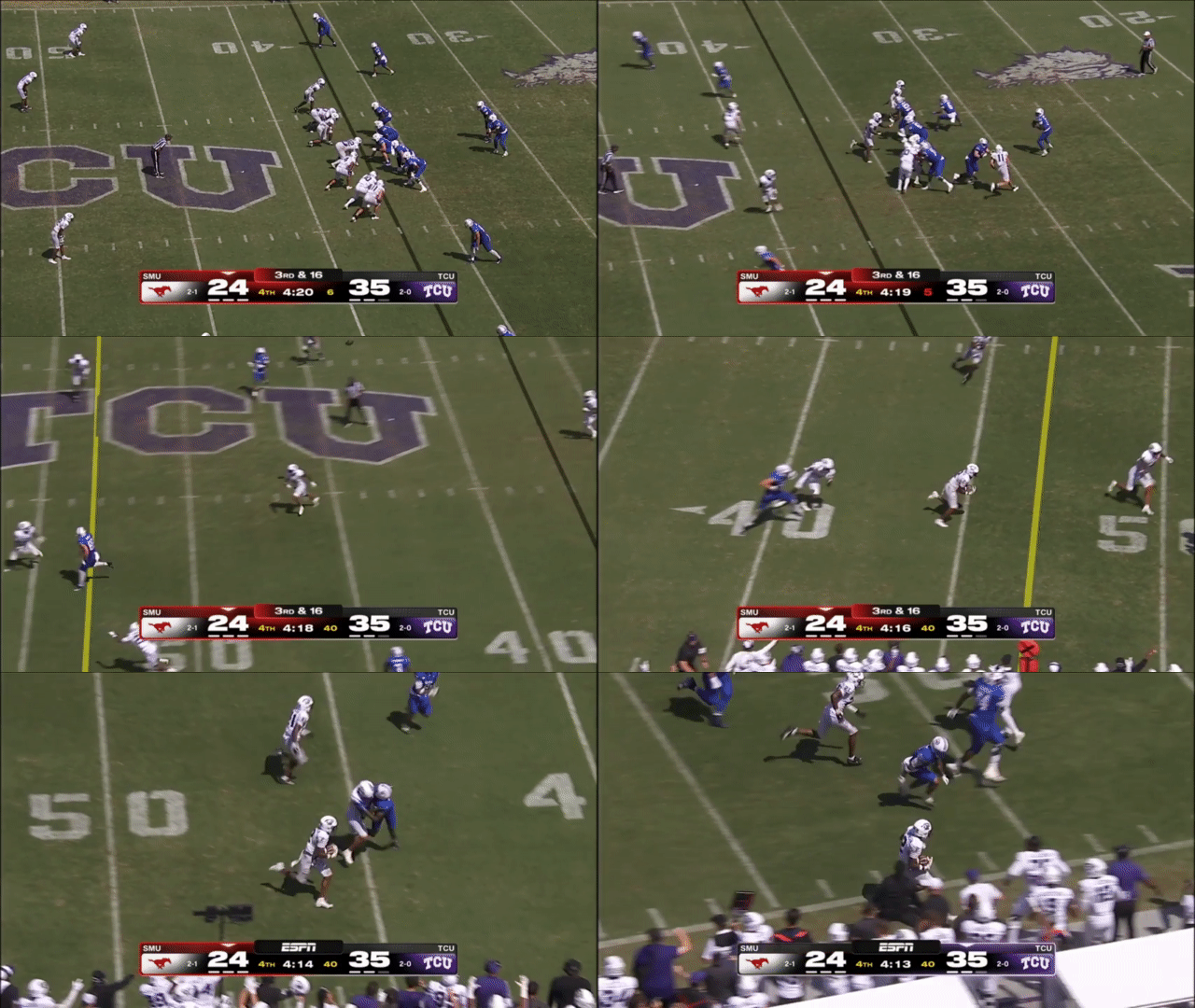
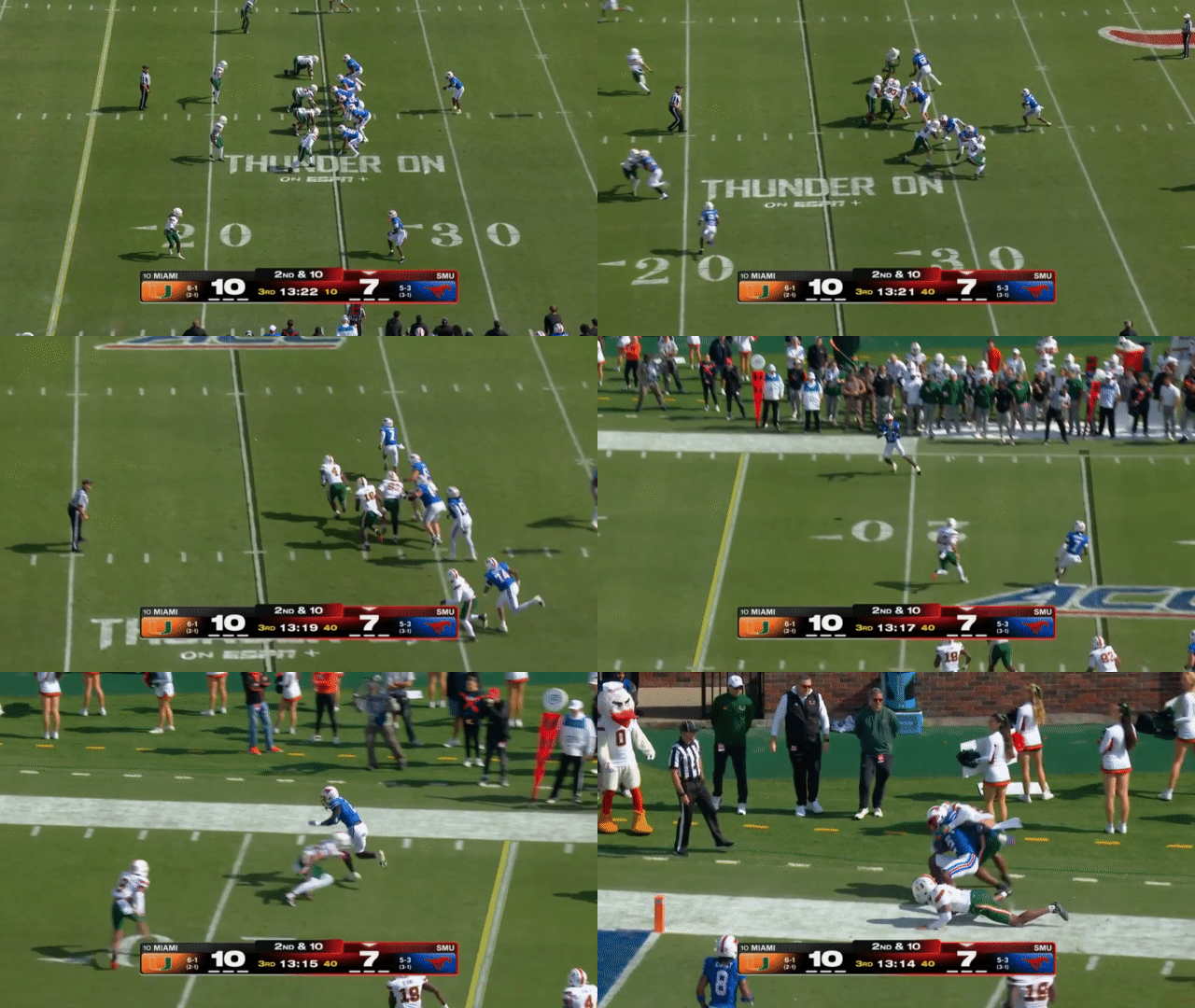
Another bad habit of Jennings is his tendency to throw (or almost throw) an illegal forward pass. He will scramble around and/or escape the pocket for a throw on the run, but he can lose track of where he is on the field and nearly throw an illegal forward pass. He has a play like this every other game:
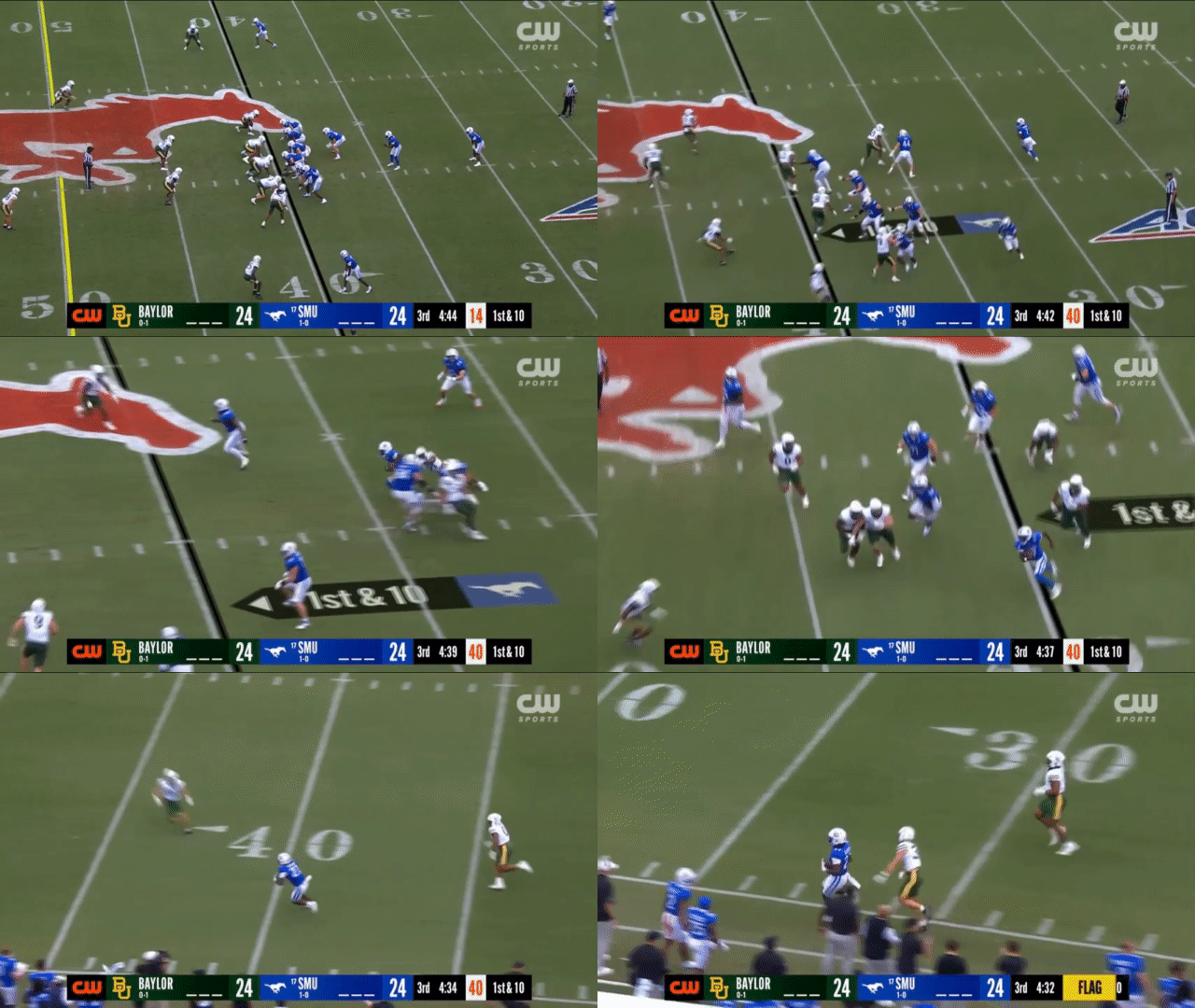
And of course, he has in fact thrown that illegal forward pass:
Jennings is a high upside quarterback because of his mobility and throwing ability, and his ability to create explosive plays. NFL scouts will probably want to see him improve his footwork and fundamentals (stop throwing off the back foot, etc) and rely less on the Manziel-esque improv plays. It’s to be determined if an NFL player will take a flyer on developing a Bryce Young type of quarterback.
Running back
Although the quarterback is a big factor in the run game, let’s take a look at the running backs. The primary running back is UCLA transfer TJ Harden, who—big surprise here—I’ve previewed before (RIP Pac-12). At the time, I thought Harden was UCLA’s best back, and didn’t understand why Chip Kelly wouldn’t play him more. Harden has obviously validated that, seeing as he transferred away to be the feature back at a school that’s not terrible at football.
Harden is primarily a power back with surprising speed, with good patience and vision, as well as some elusiveness in open space.
Here he shows his ability to fight through contact:
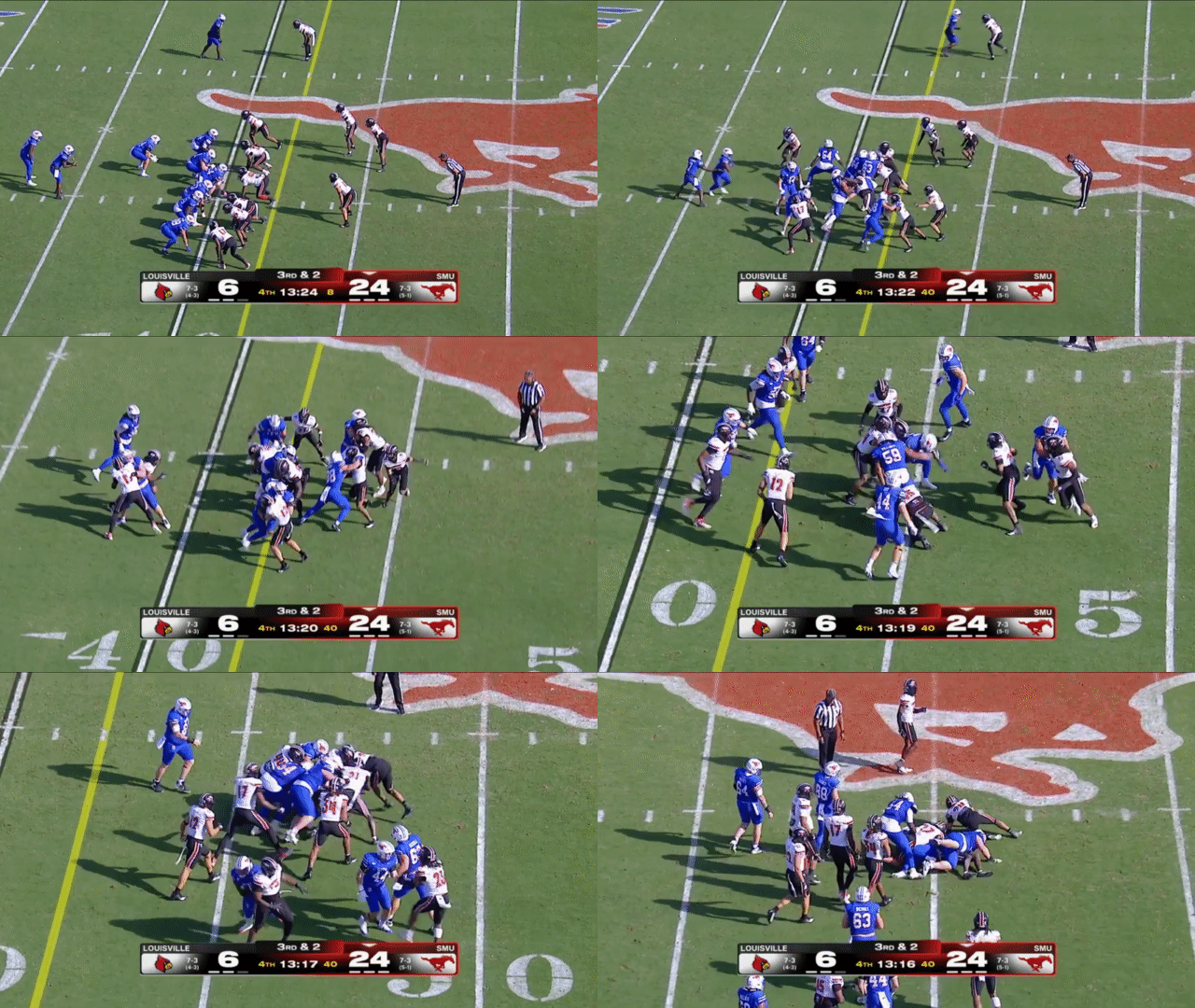
Here Harden hits the hole decisively and breaks through some weak ankle tackles:
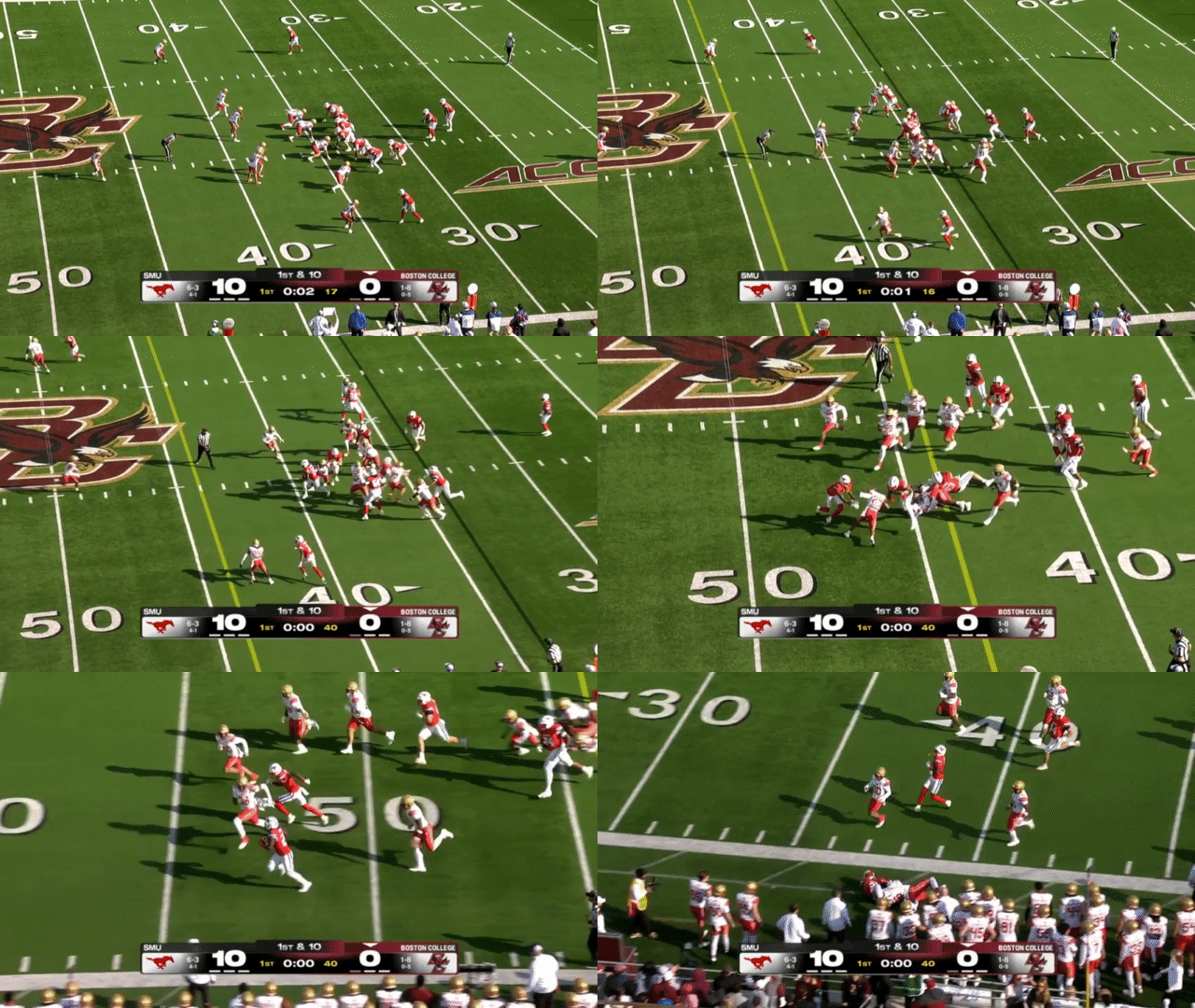
Harden is the short yardage back, and here he fights through tacklers to find his way into the endzone:
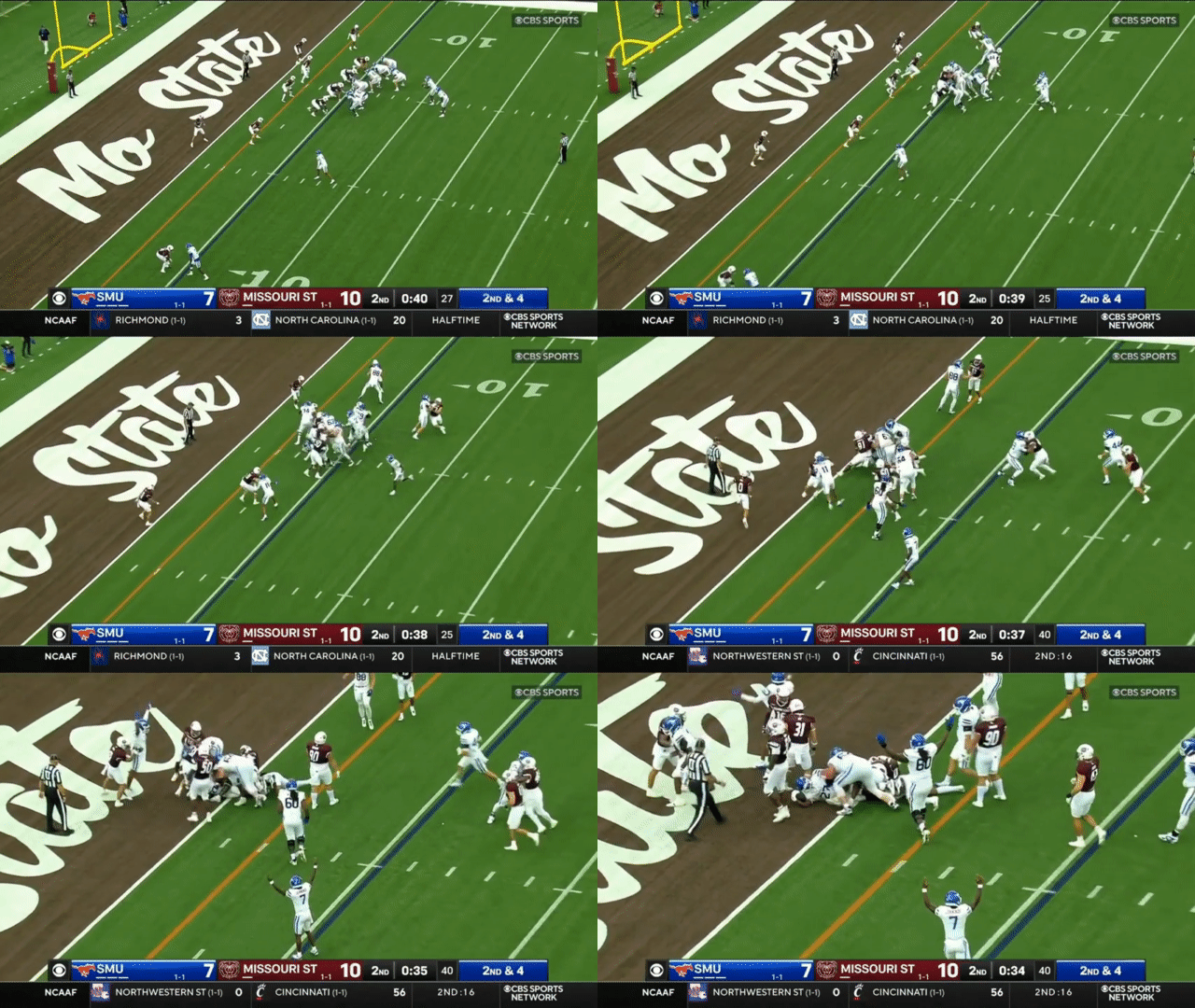
Harden shows good second effort on run plays, with 409 of his 700 rushing yards coming after contact:
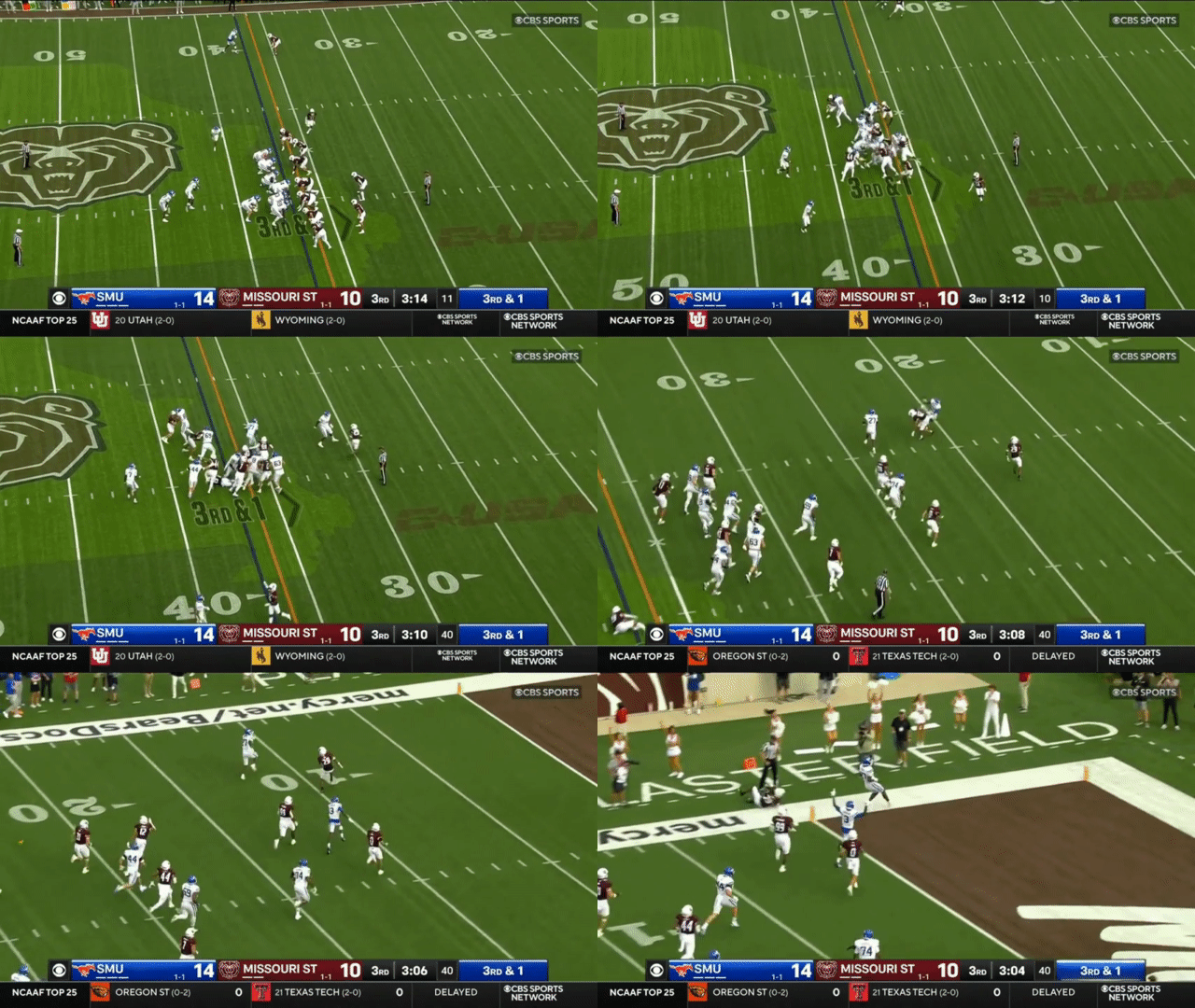
SMU has some nice run blocking, and Harden effectively finds his lane:
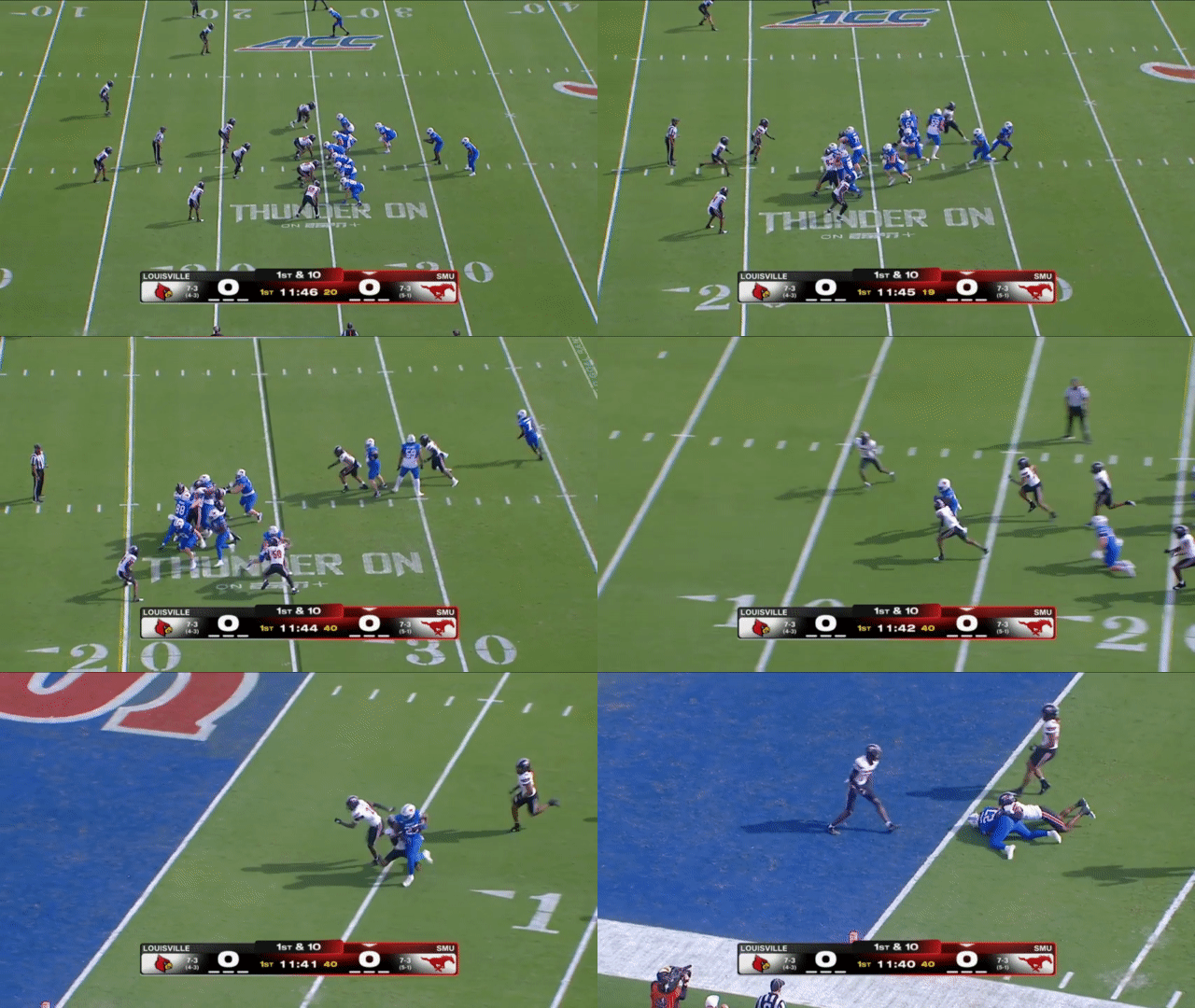
Although Harden doesn’t have elite breakaway speed, he still has a couple big runs:
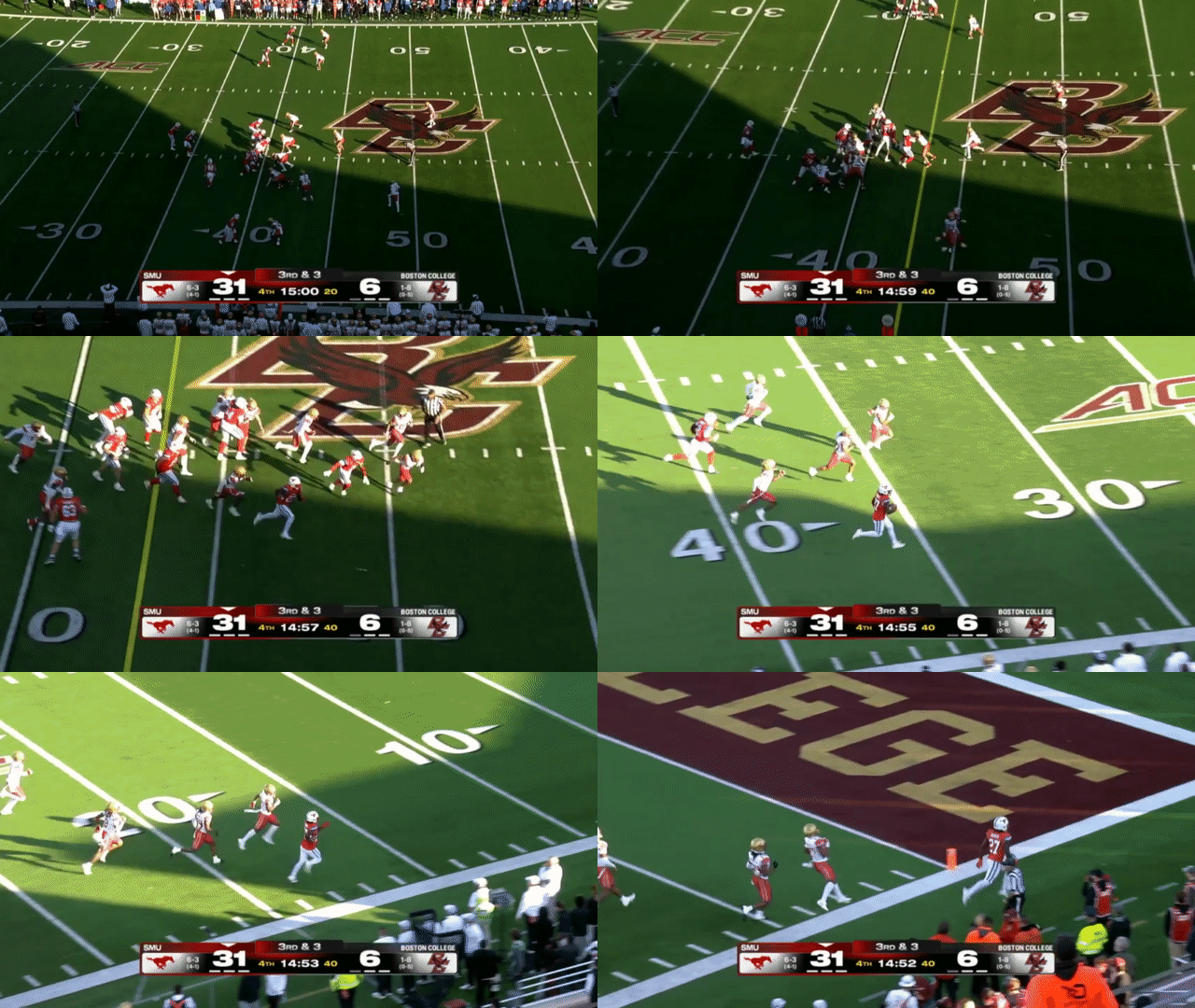
Here he punishes the poor angle taken by the safety:
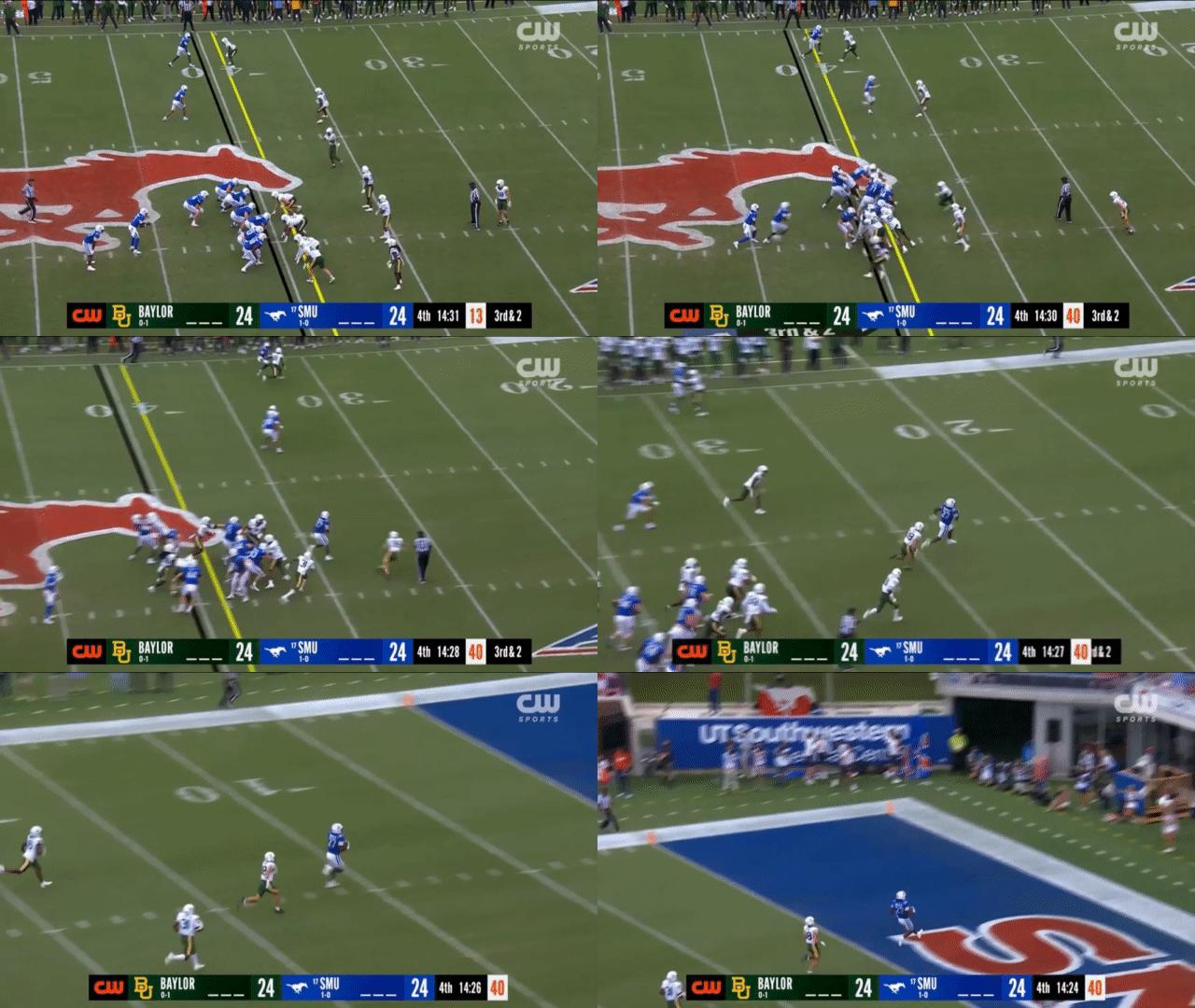
Here Harden shows some of that elusiveness in open space:
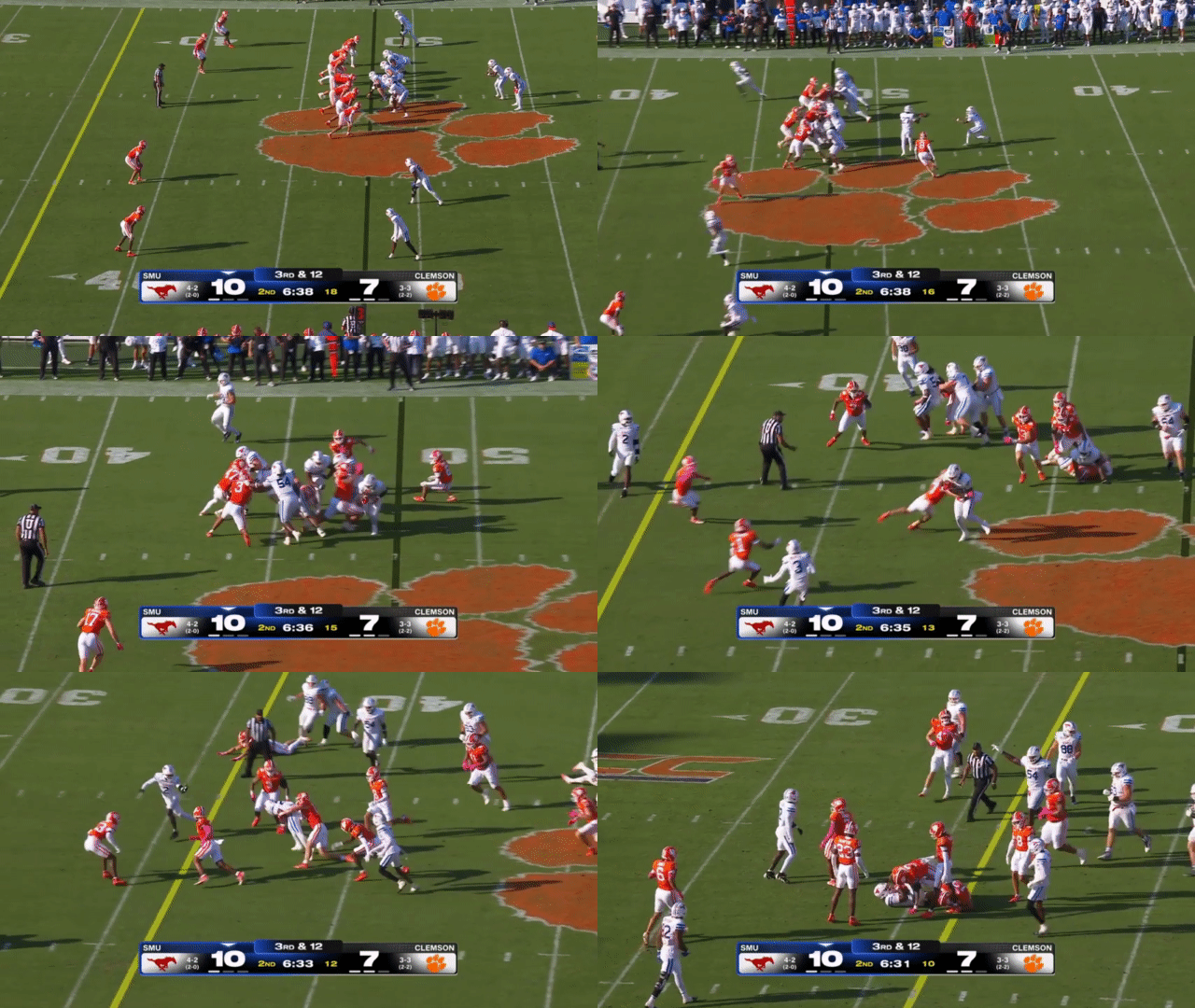
Harden also has some receiving chops. Check out these hands:
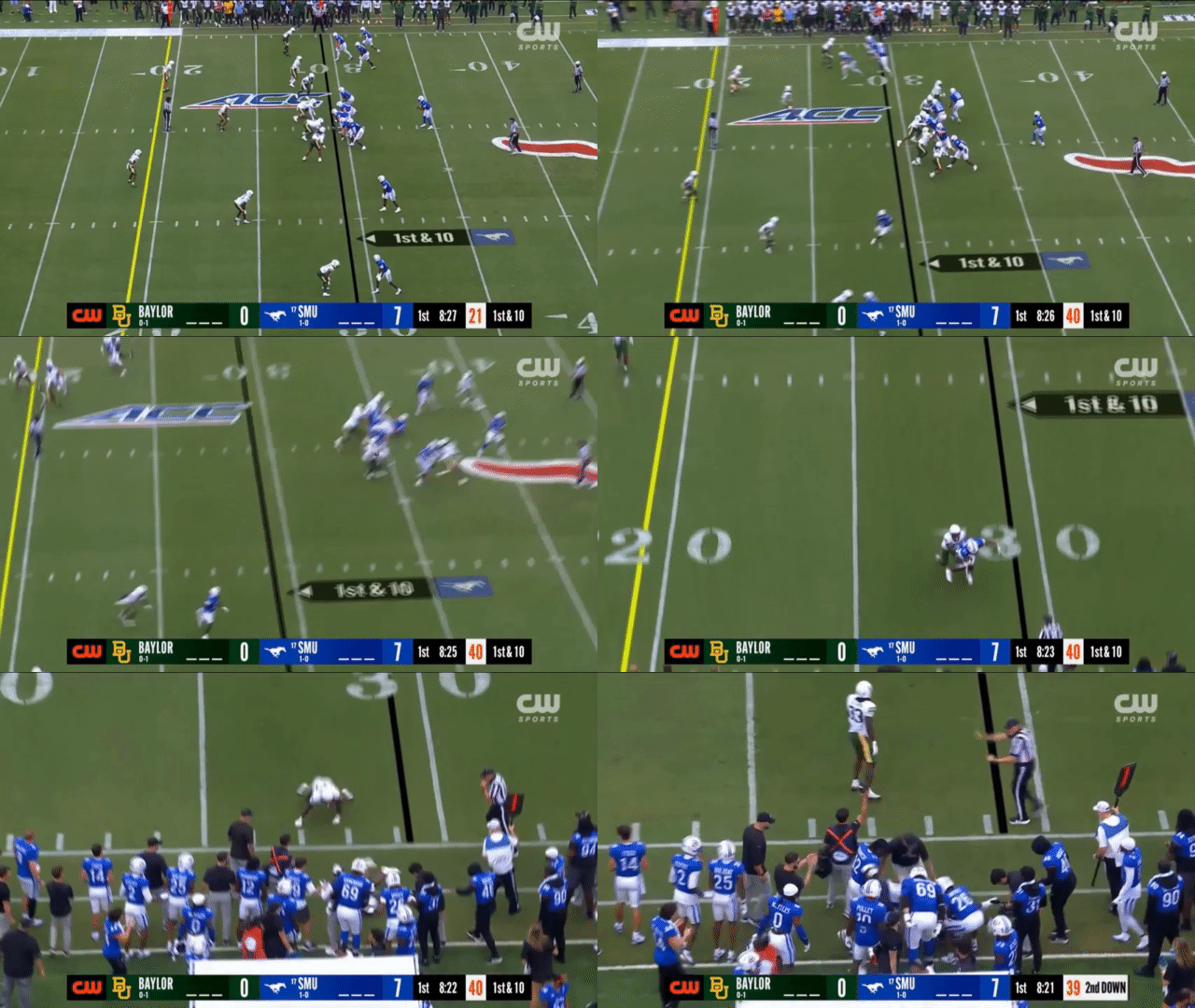
Here he shows some of that hard running in the receiving game as well:
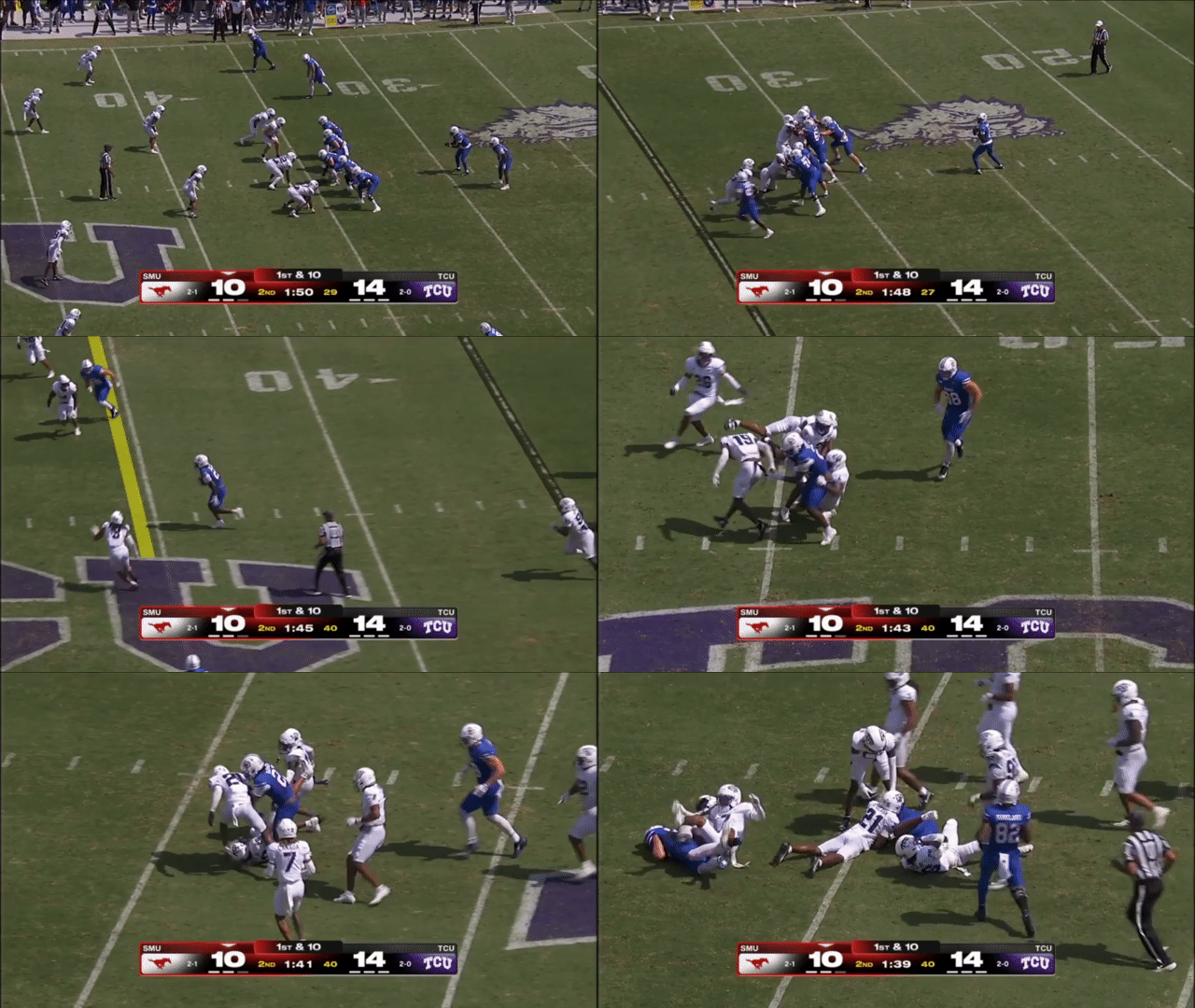
Although Harden receives the bulk of the carries, the player that’s the most exciting to watch is Chris Johnson Jr., who I was surprised to find out is not the same Chris Jr. that is the son of NFL RB Chris “CJ2K” Johnson (who has twin sons who are not yet in high school). You could be forgiven for confusing the two of them though, because Chris Johnson Jr. has similar speed: he was the Florida state champion in the 100m and 200m, and he is fast. I had to look up the track times of the player he reminded me of to compare. Chris Johnson Jr.’s high school 100m time was 10.25. Jahvid Best’s high school 100m time was 10.31. Just to give you an idea of how fast we are talking about here.
Johnson is an obvious home run threat:
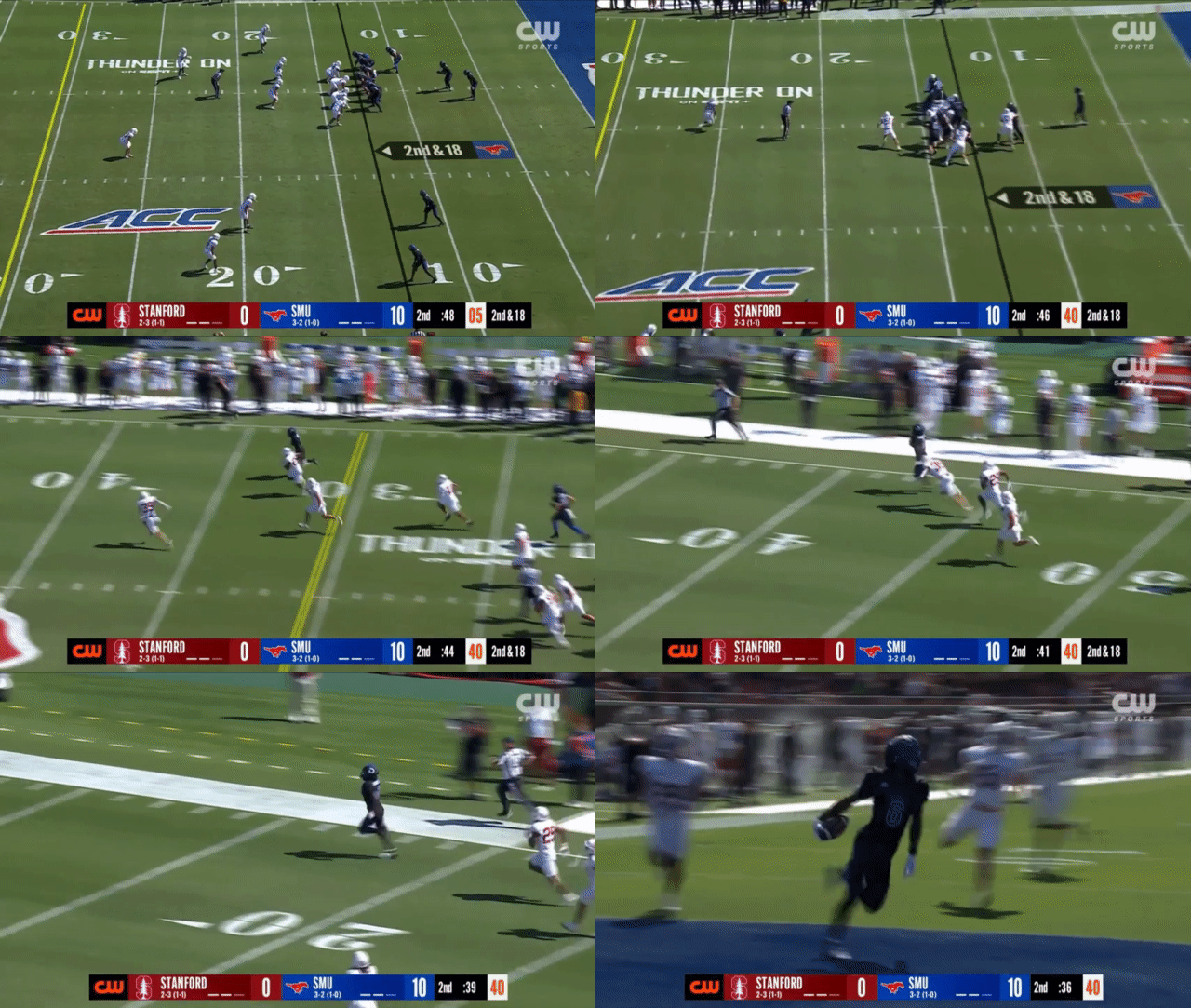
Johnson is typically a one cut and go type of back, but he shows good vision in finding open space:
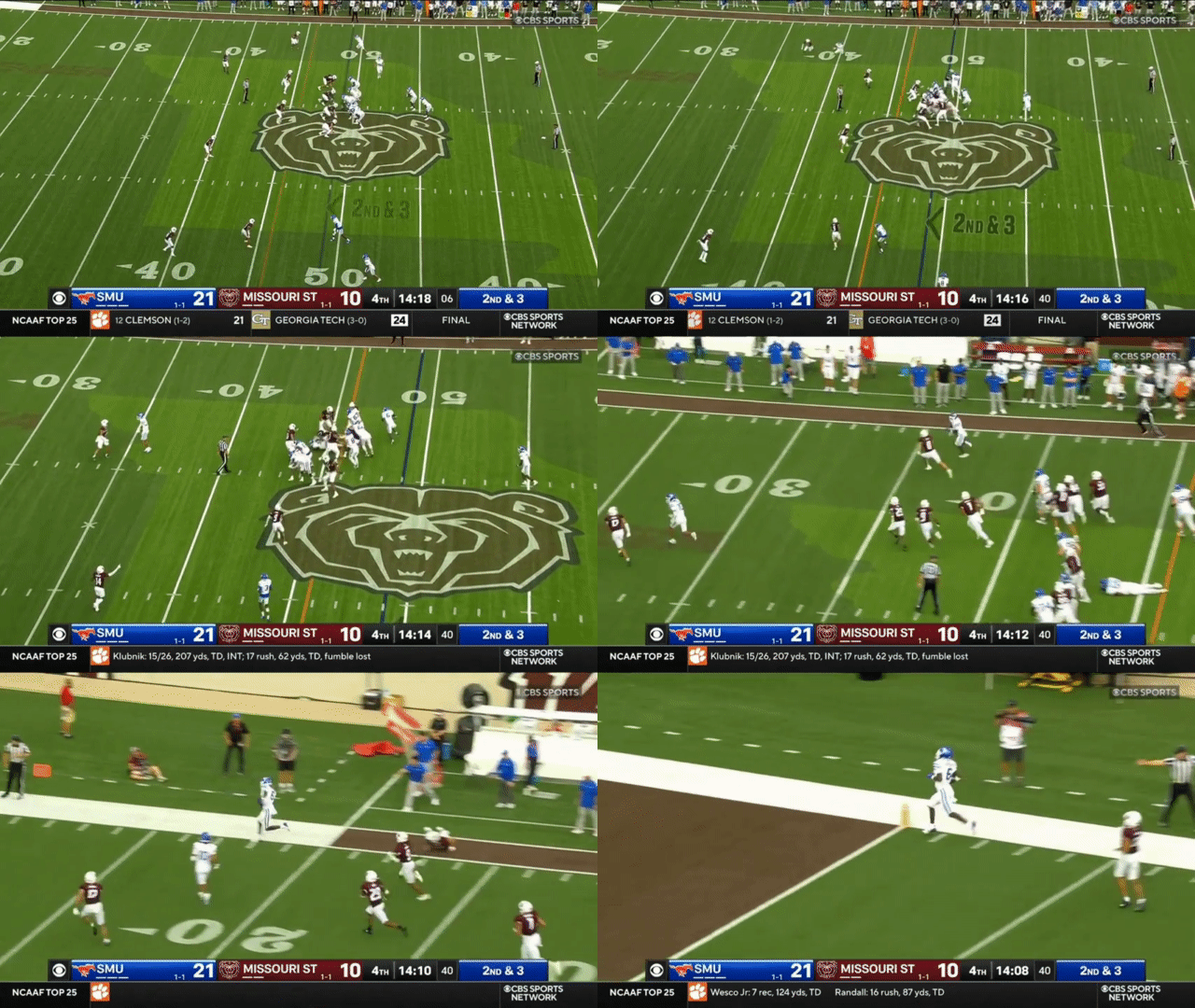
But he can still make defenders miss:
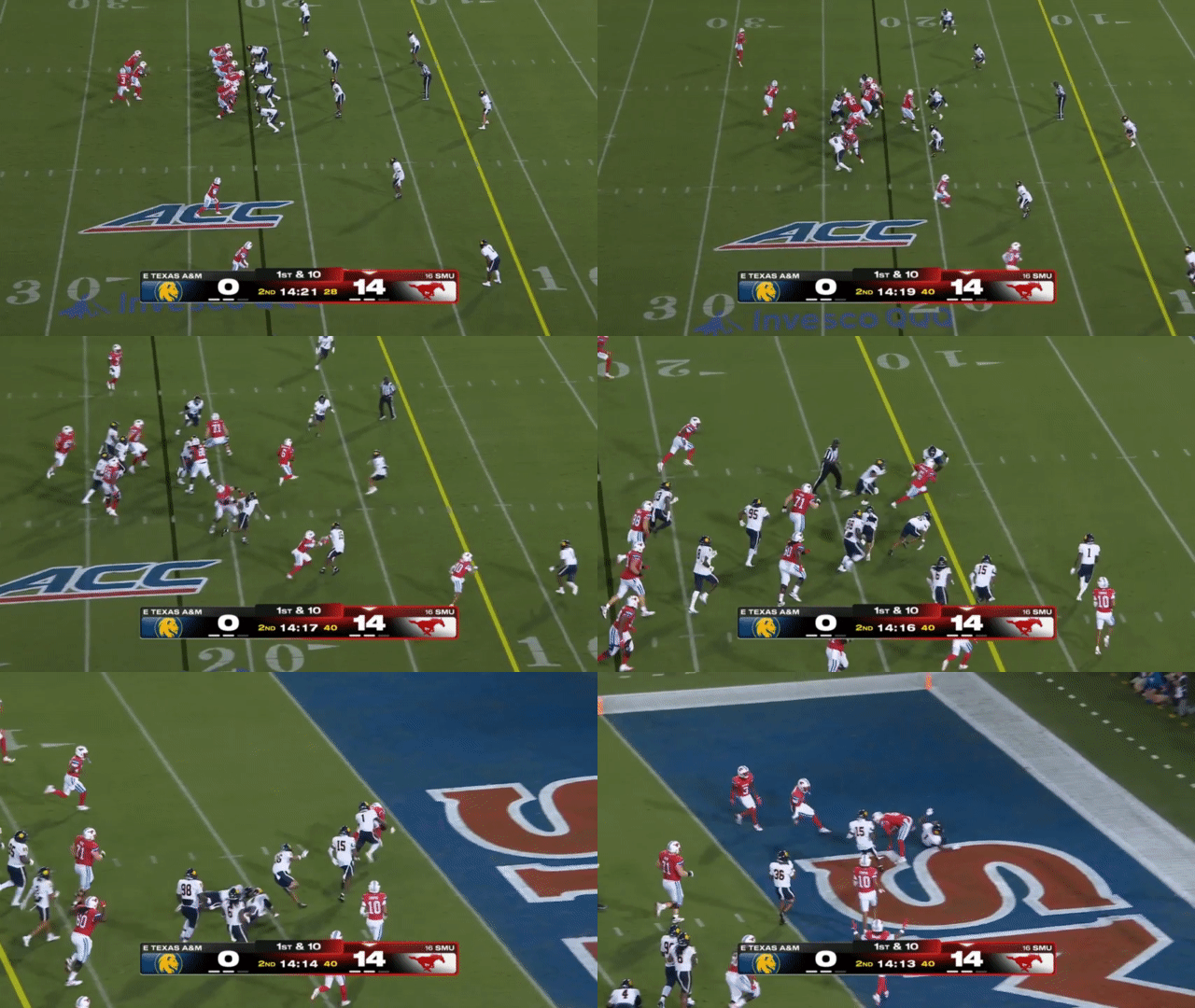
Johnson is a decent receiver, and is obviously a threat in open space:
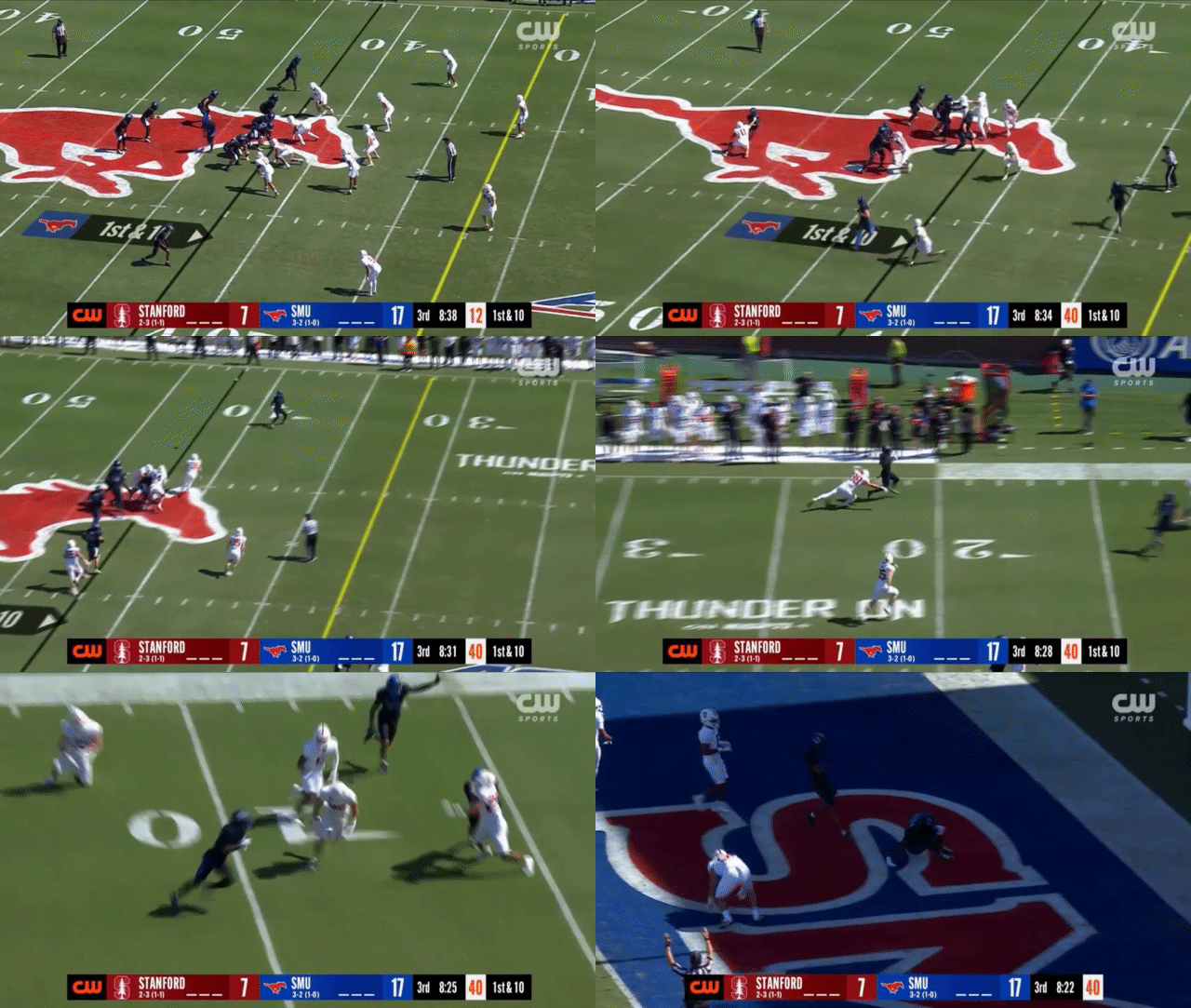
And again:
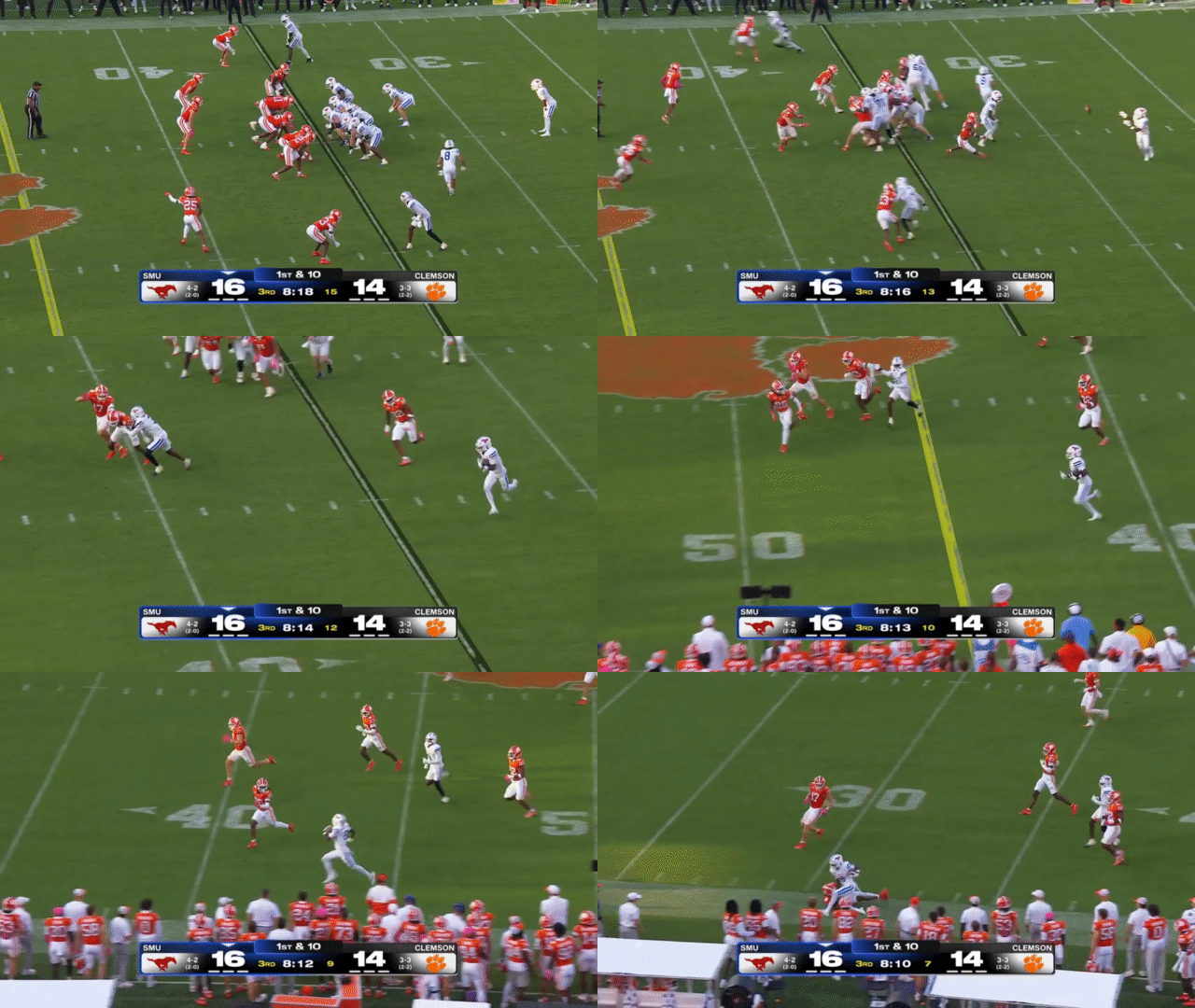
Because of his speed, SMU will look to get Johnson in one-on-one matchups, and you don’t want to have a linebacker chasing after him. Defenses need to give Johnson a big cushion so that they can take appropriate angles to stop him:
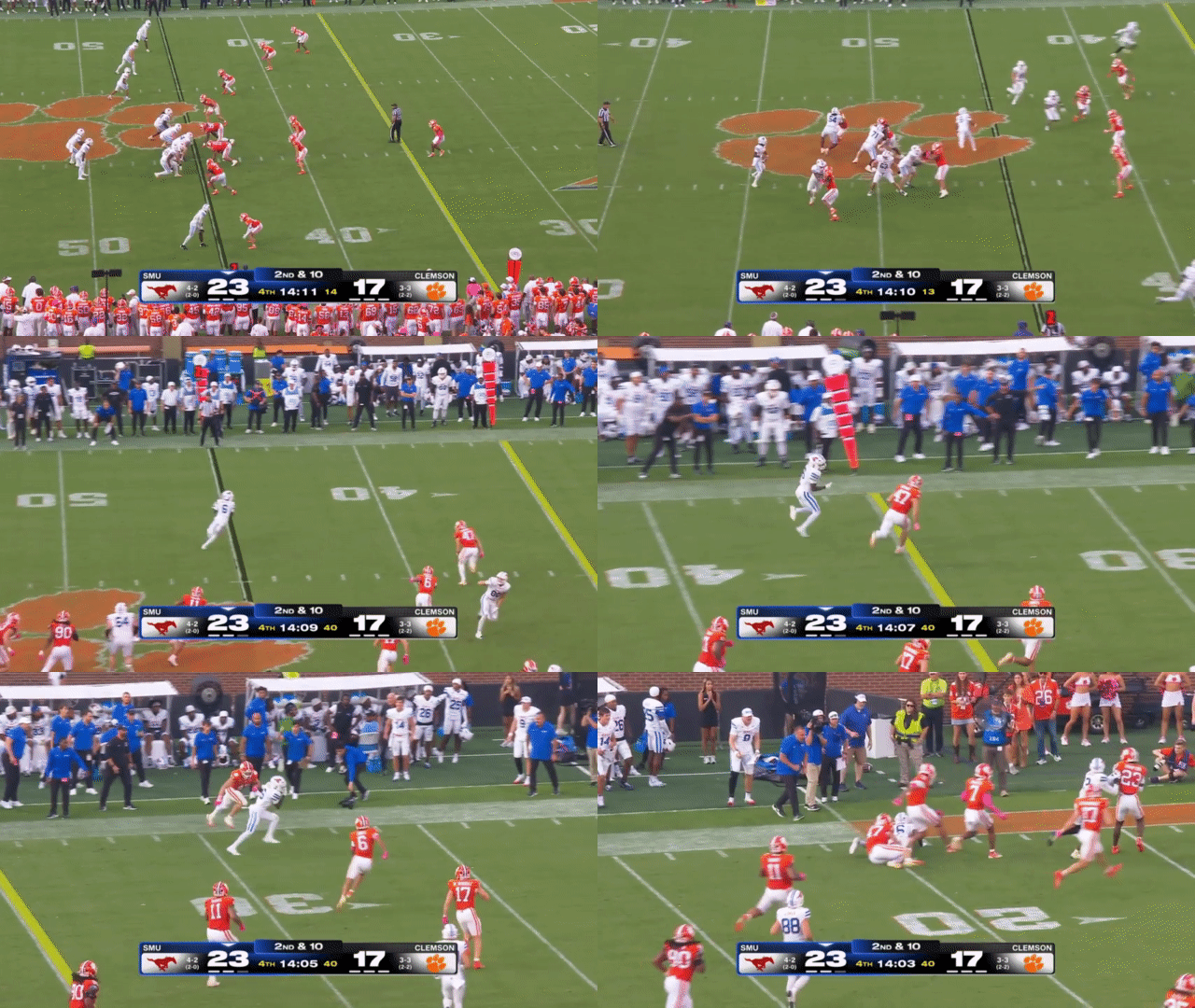
Like on this play, just look how quickly he gets space from the linebacker. Johnson has to wait for the throw, but I wouldn’t be surprised if Johnson could outrun a throw too:
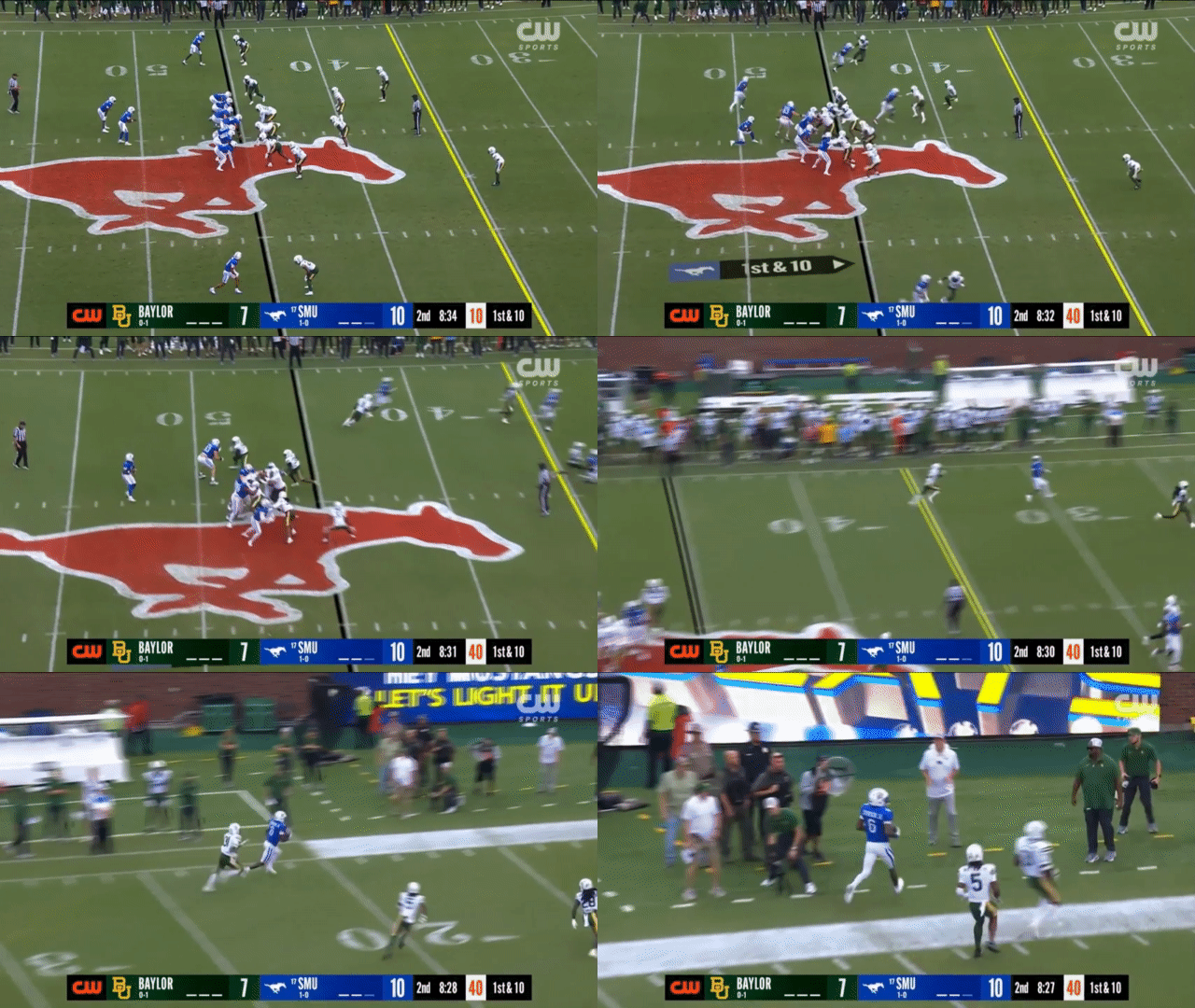
Another speedy running back at SMU is the redshirt freshman Derrick McFall:
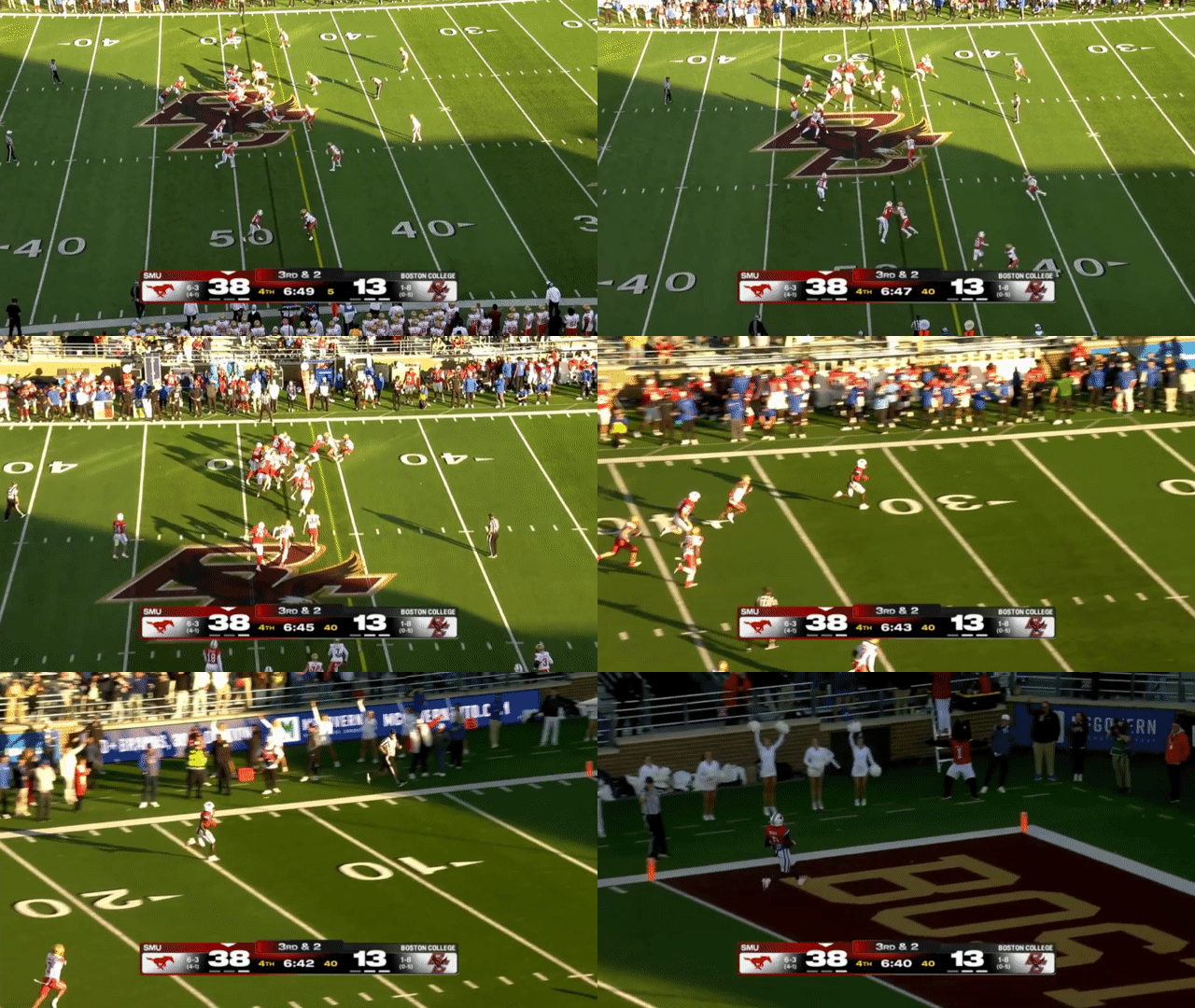
Like Johnson, McFall too will look to get to the outside and use his speed to beat the defense:
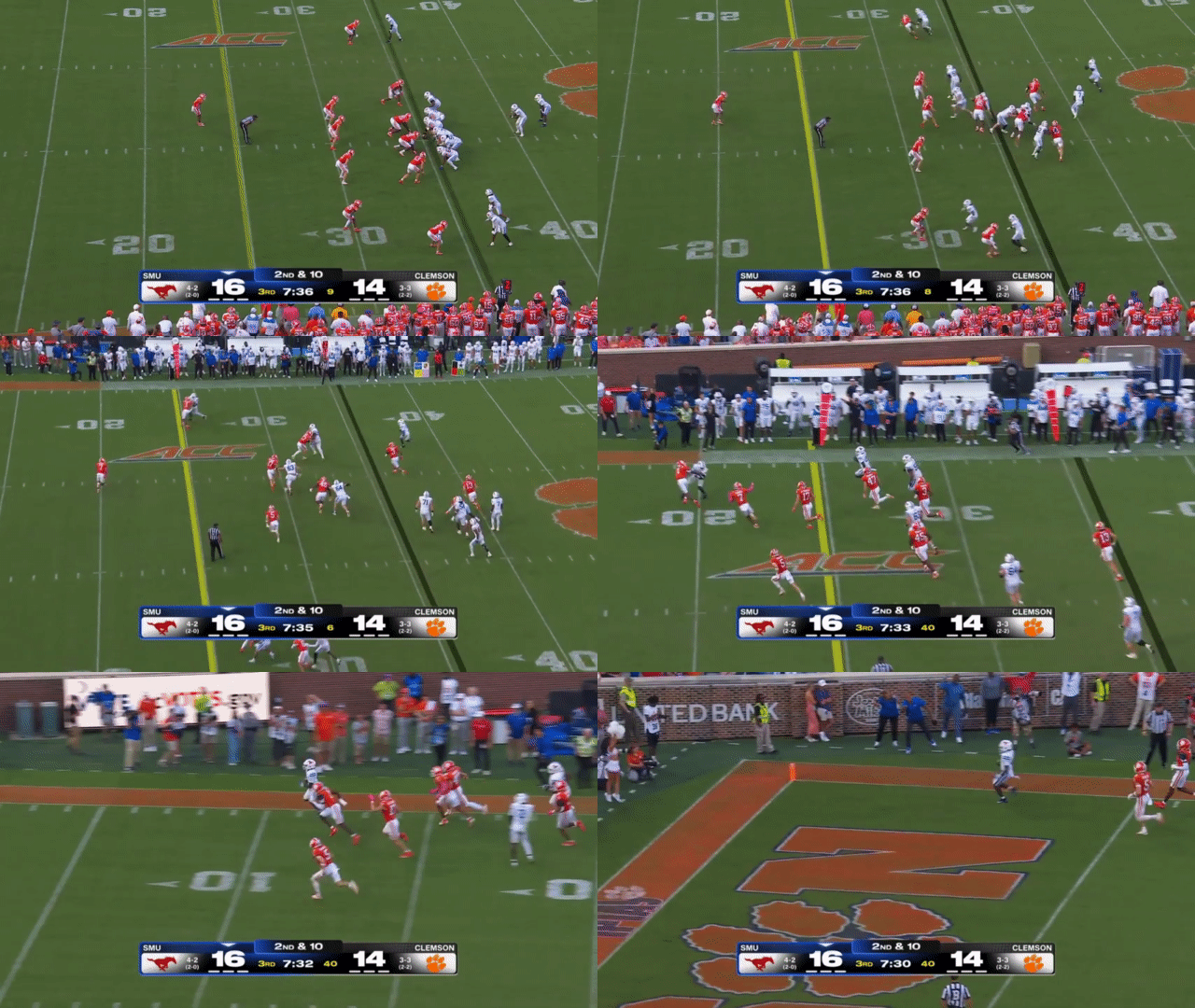
We may also see the grad transfer Shaadie Clayton-Johnson in relief of Harden:
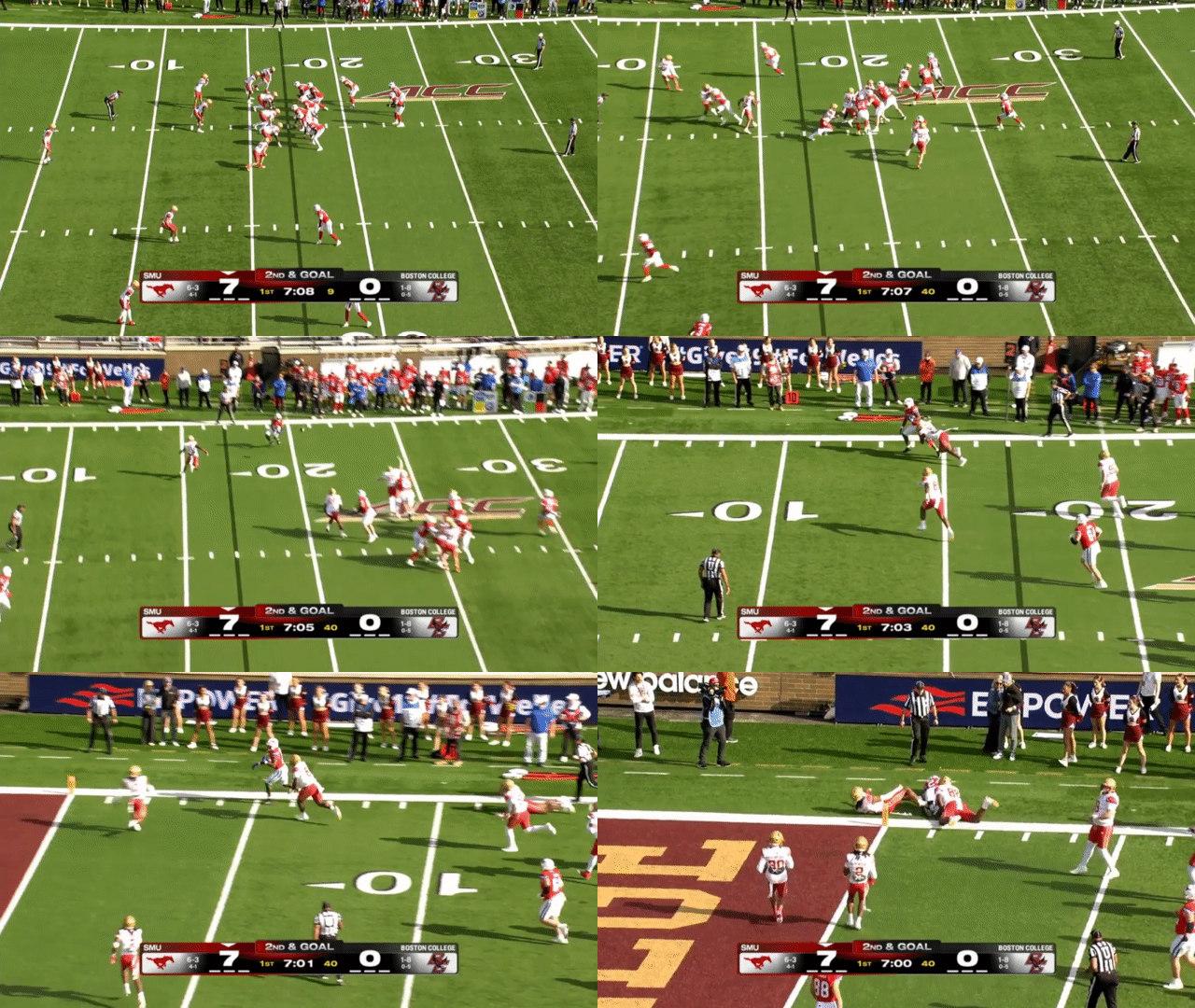
Or the freshman Dramekco Green:
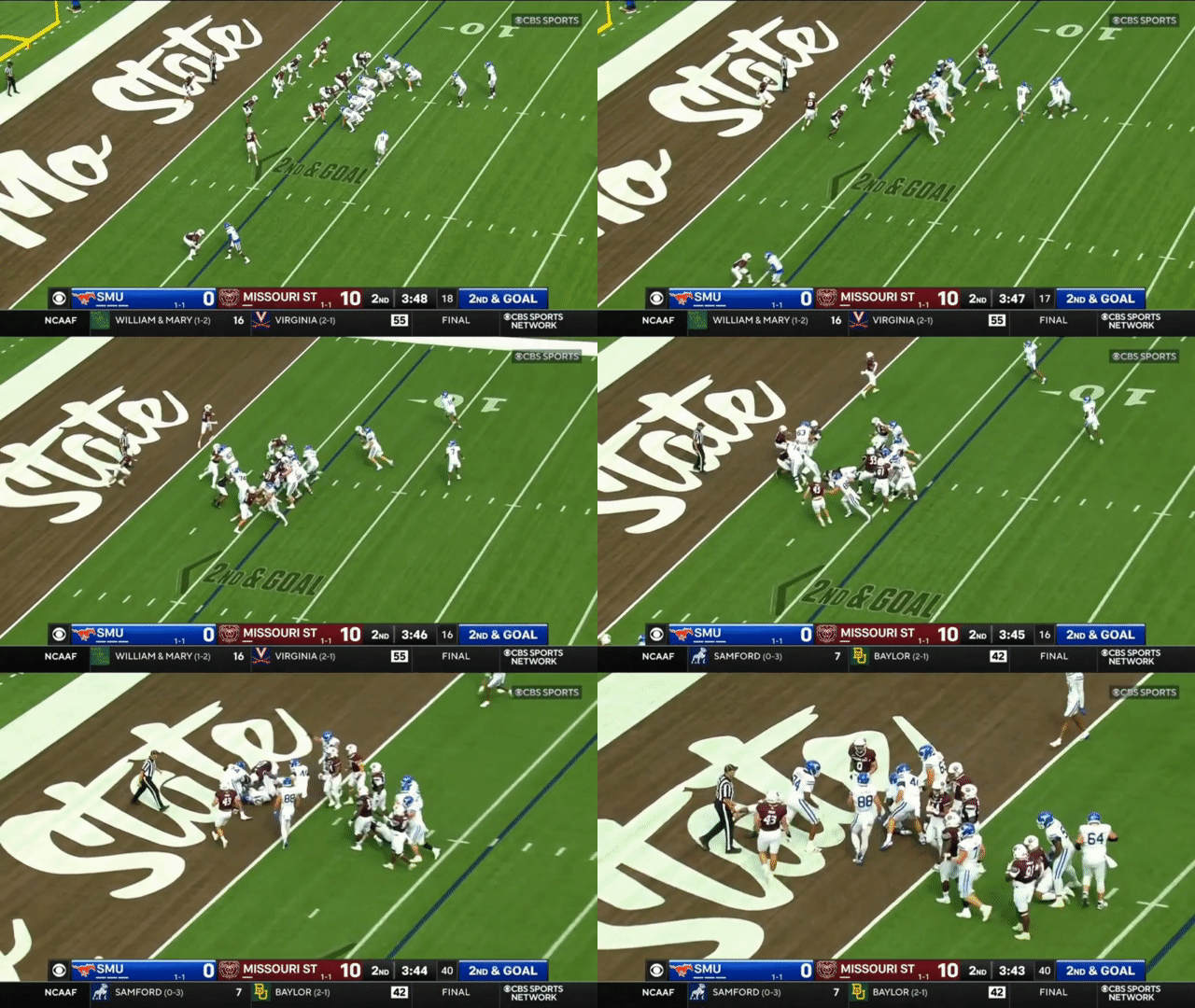
Although SMU is primarily a pass offense, they definitely have weapons in the RB room as well.
Receivers
Unsurprisingly, SMU has some very talented receivers. Kevin Jennings’s favorite target is Jordan Hudson, who remains the most targeted receiver on the team despite missing two games to injury. Hudson will run the entire route tree, and has a knack for getting himself open:
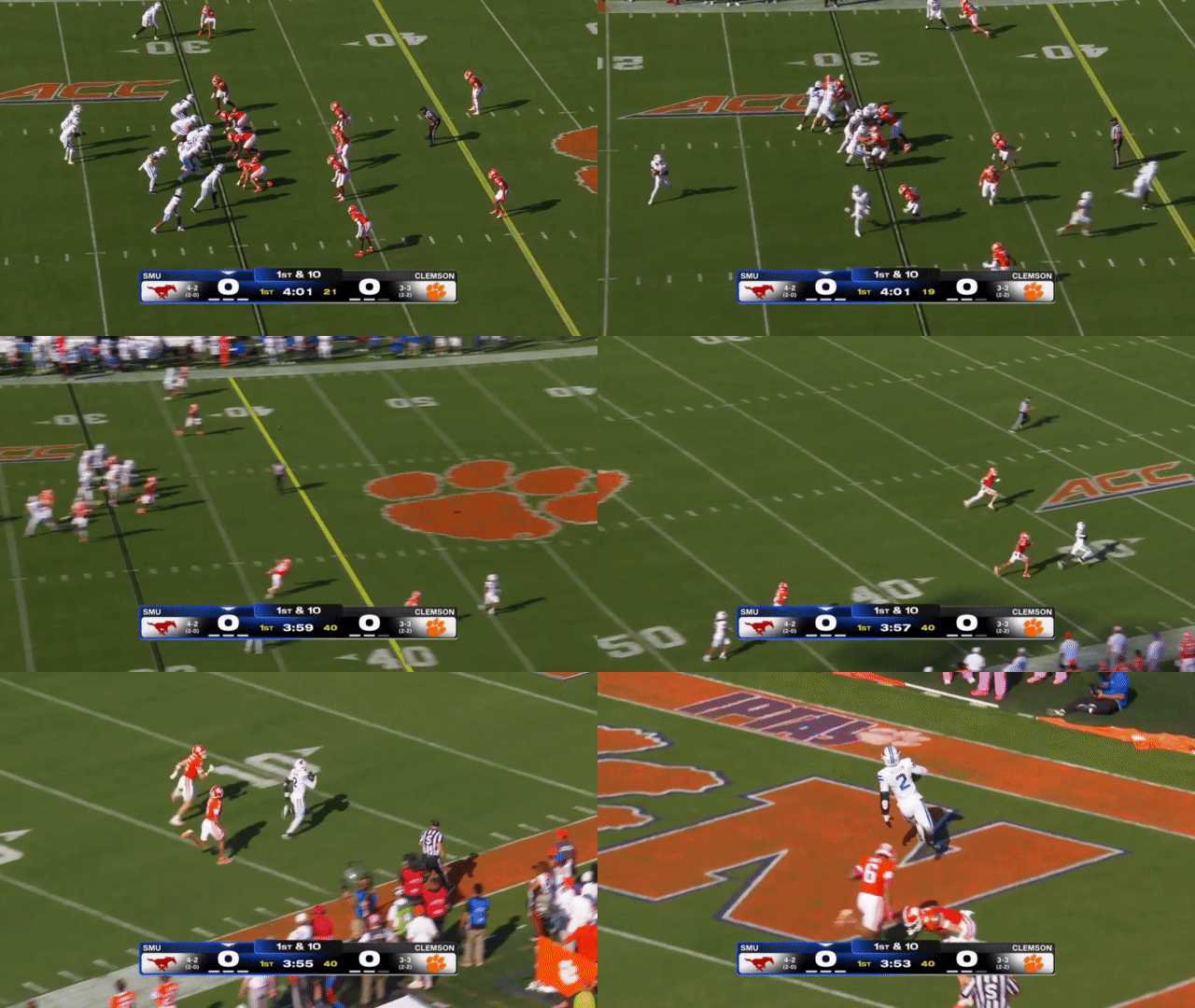
Another nice route to get open for an easy target from Jennings:
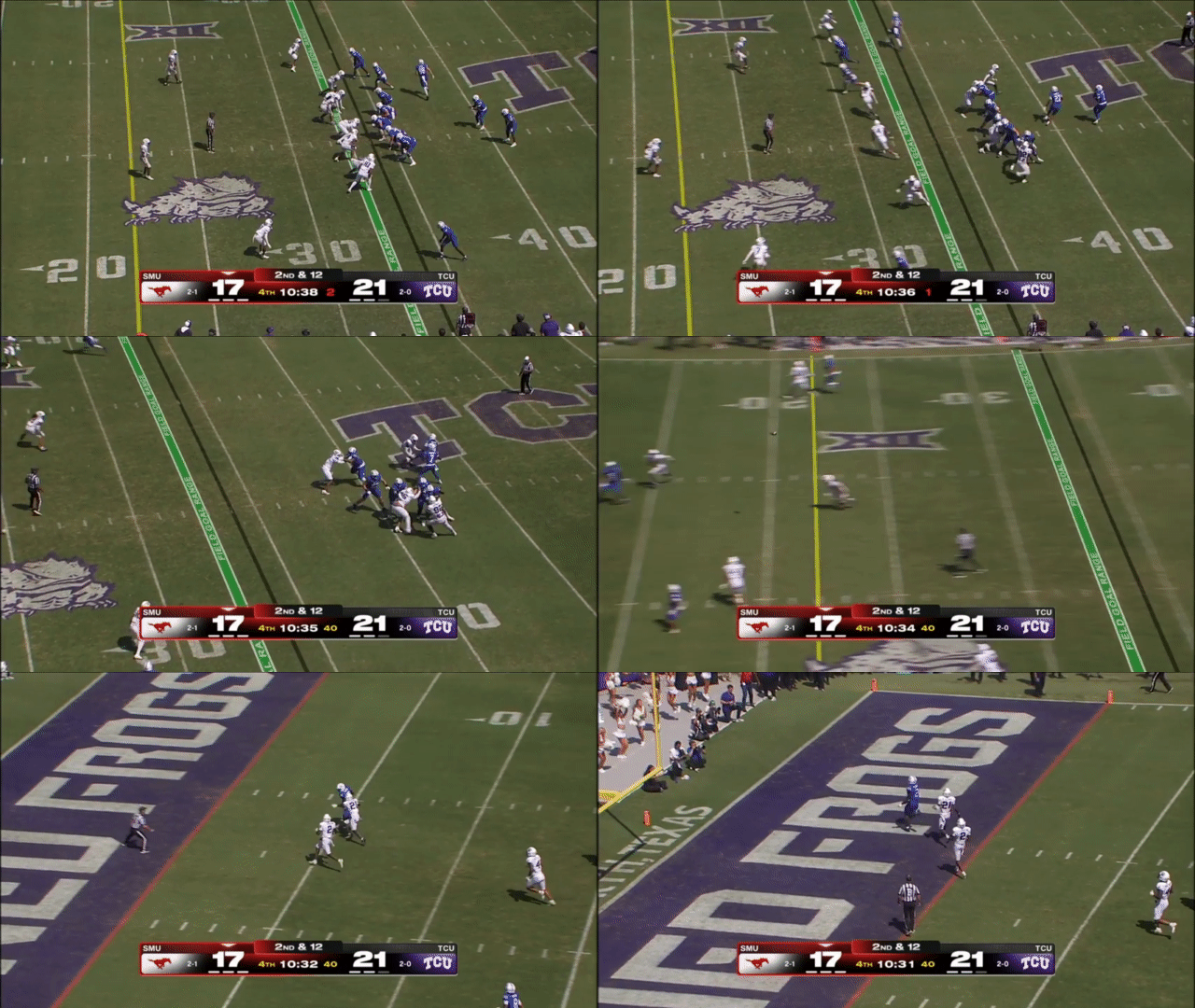
Hudson has good hands and contested catch ability. Jennings trusts Hudson to make this catch every time, regardless of coverage:
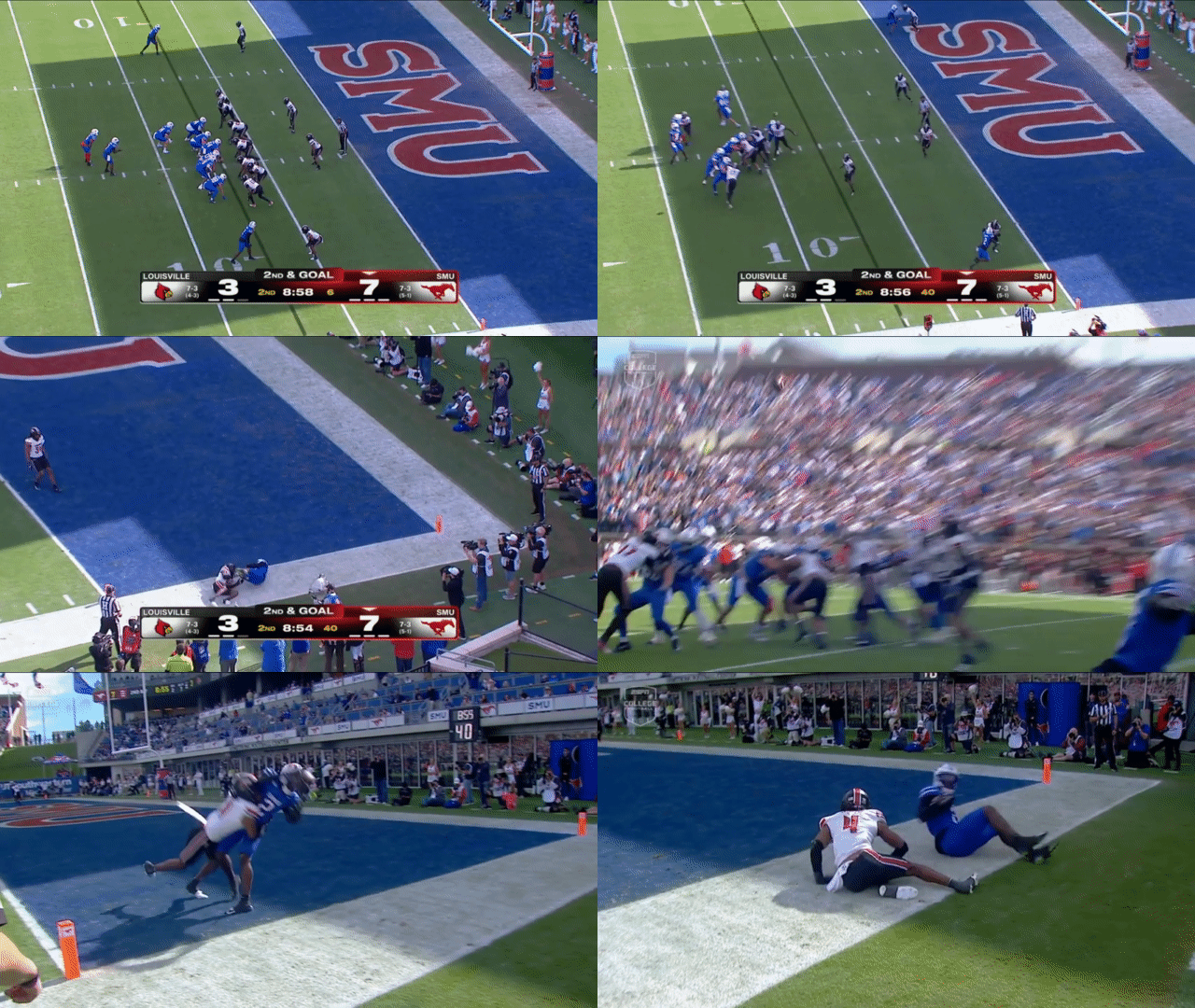
Hudson shows good concentration through the catch, even when his helmet is being pulled 180 degrees the wrong direction:
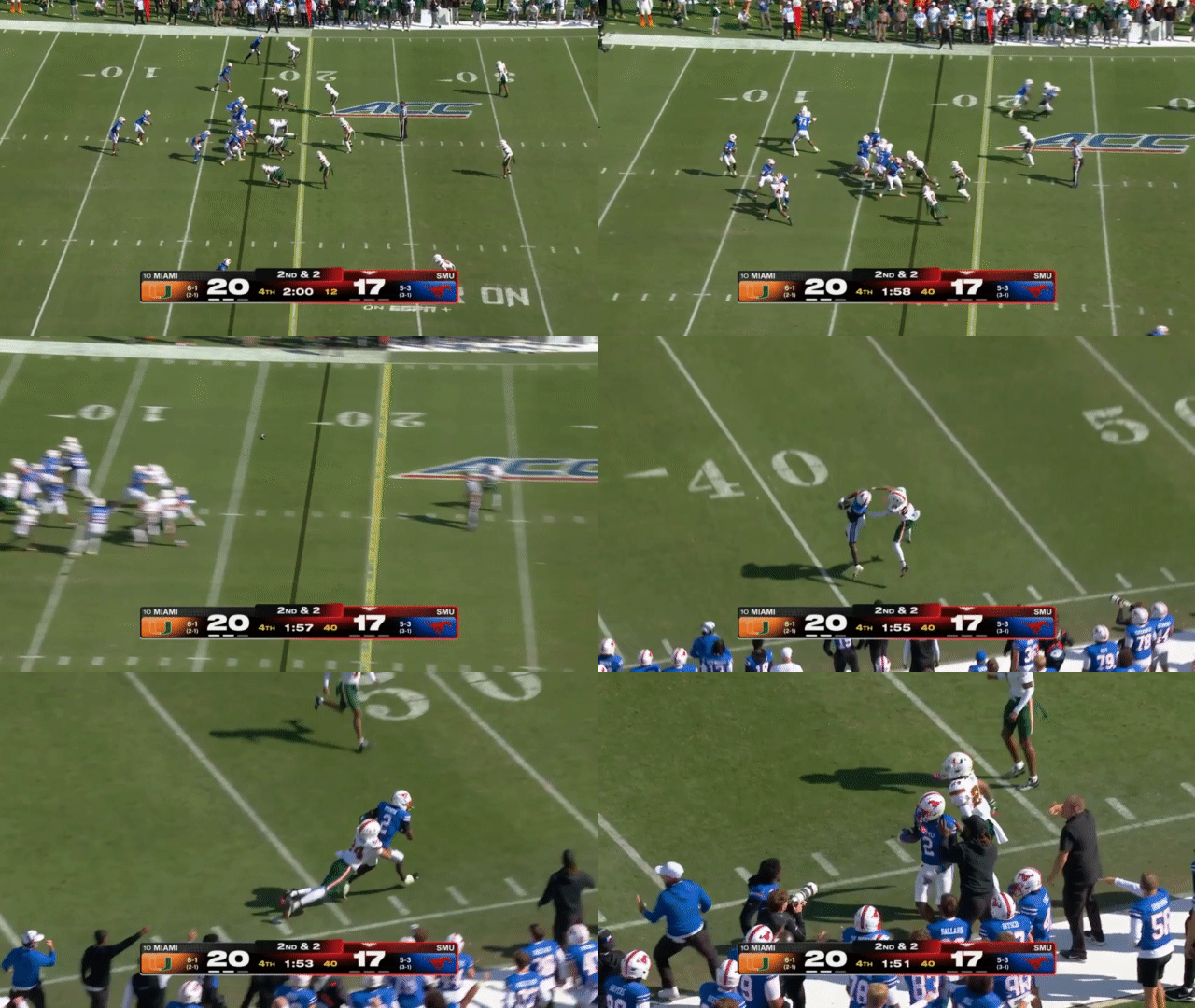
Hudson also has decent YAC ability:
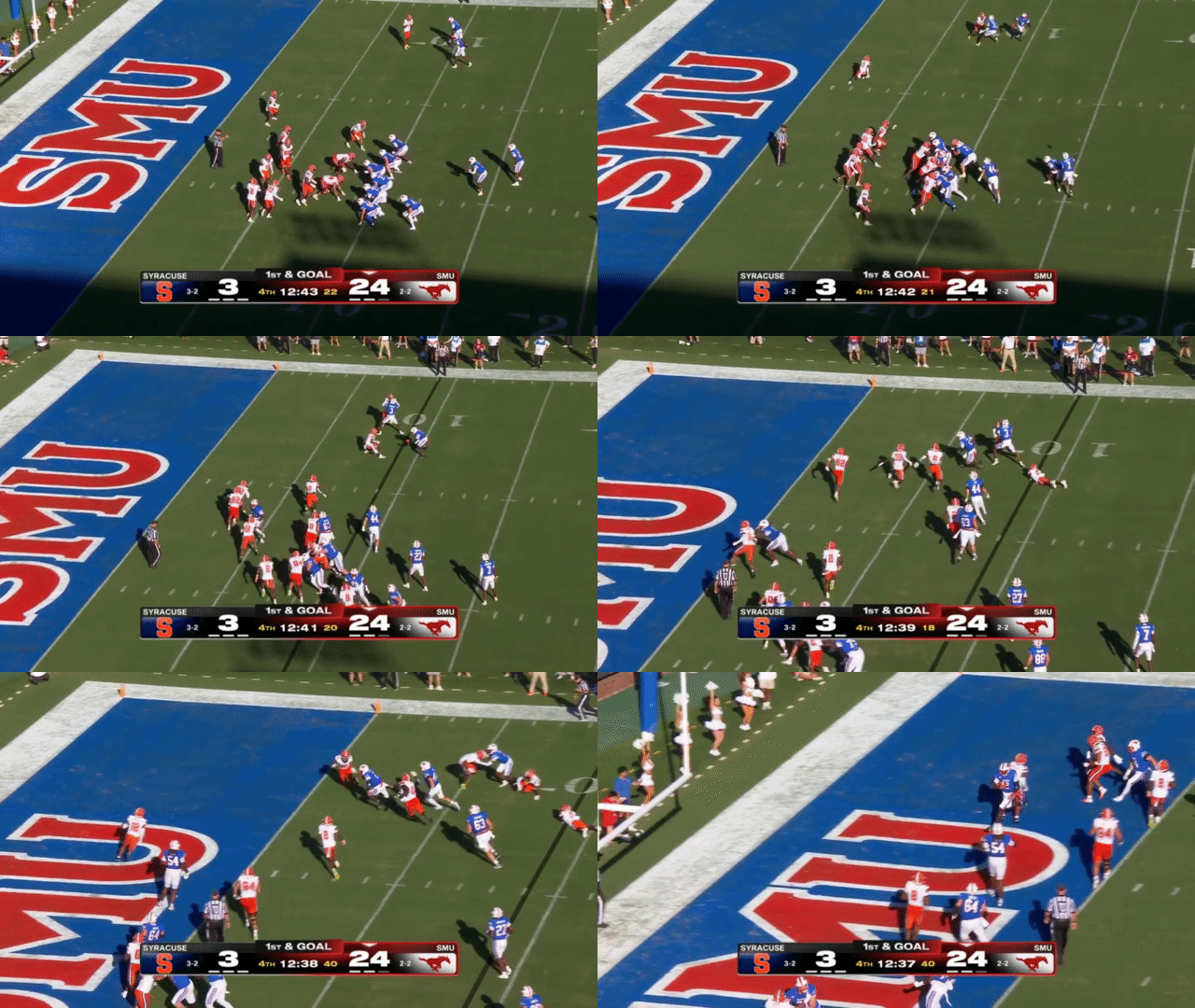
And again:
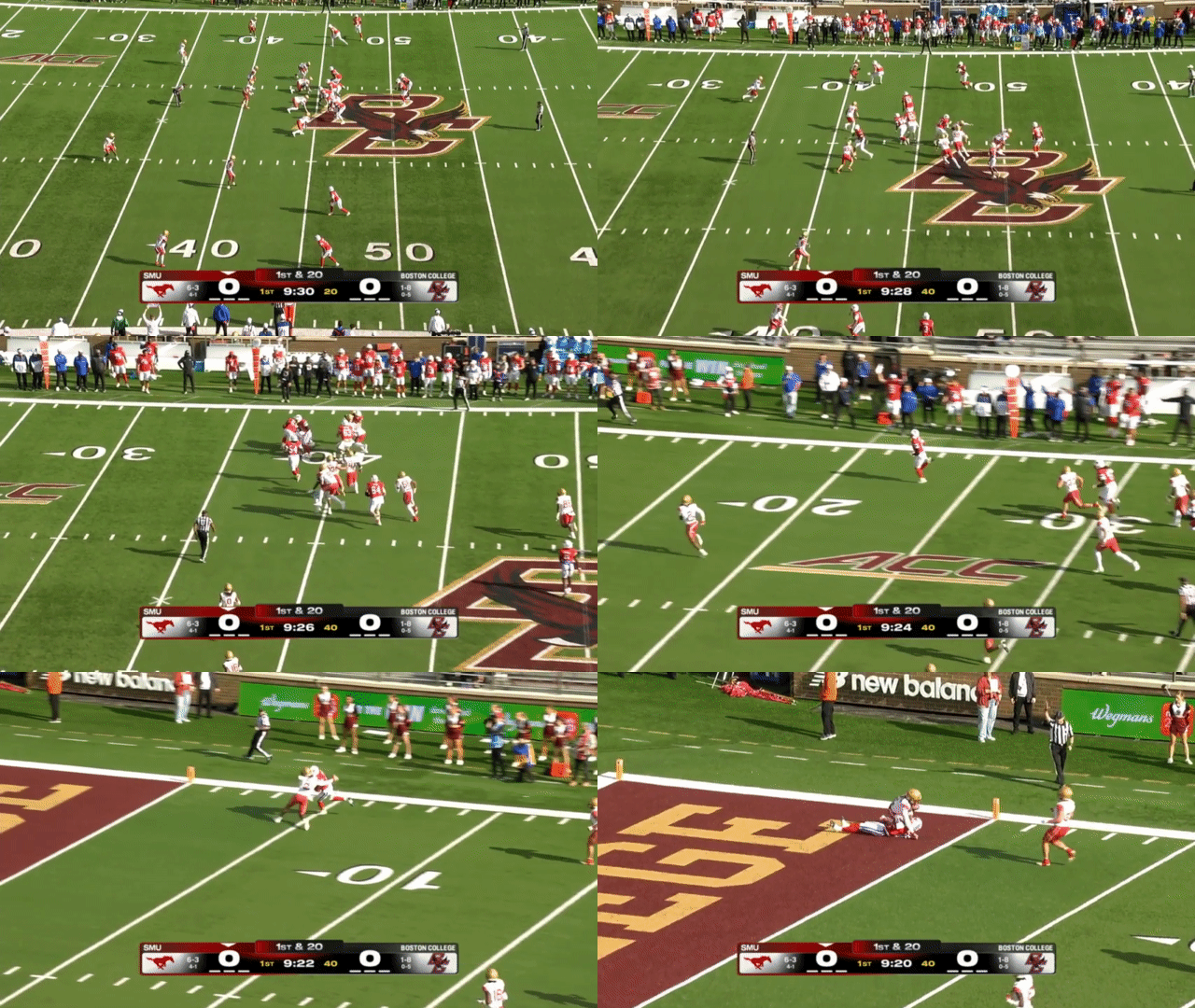
Jennings’s other top target is the deep threat receiver, Romello Brinson. Brinson is a rangy receiver with a large catch radius. Brinson is able to use his speed to get open deep, although he needs some time to accelerate to top speed:
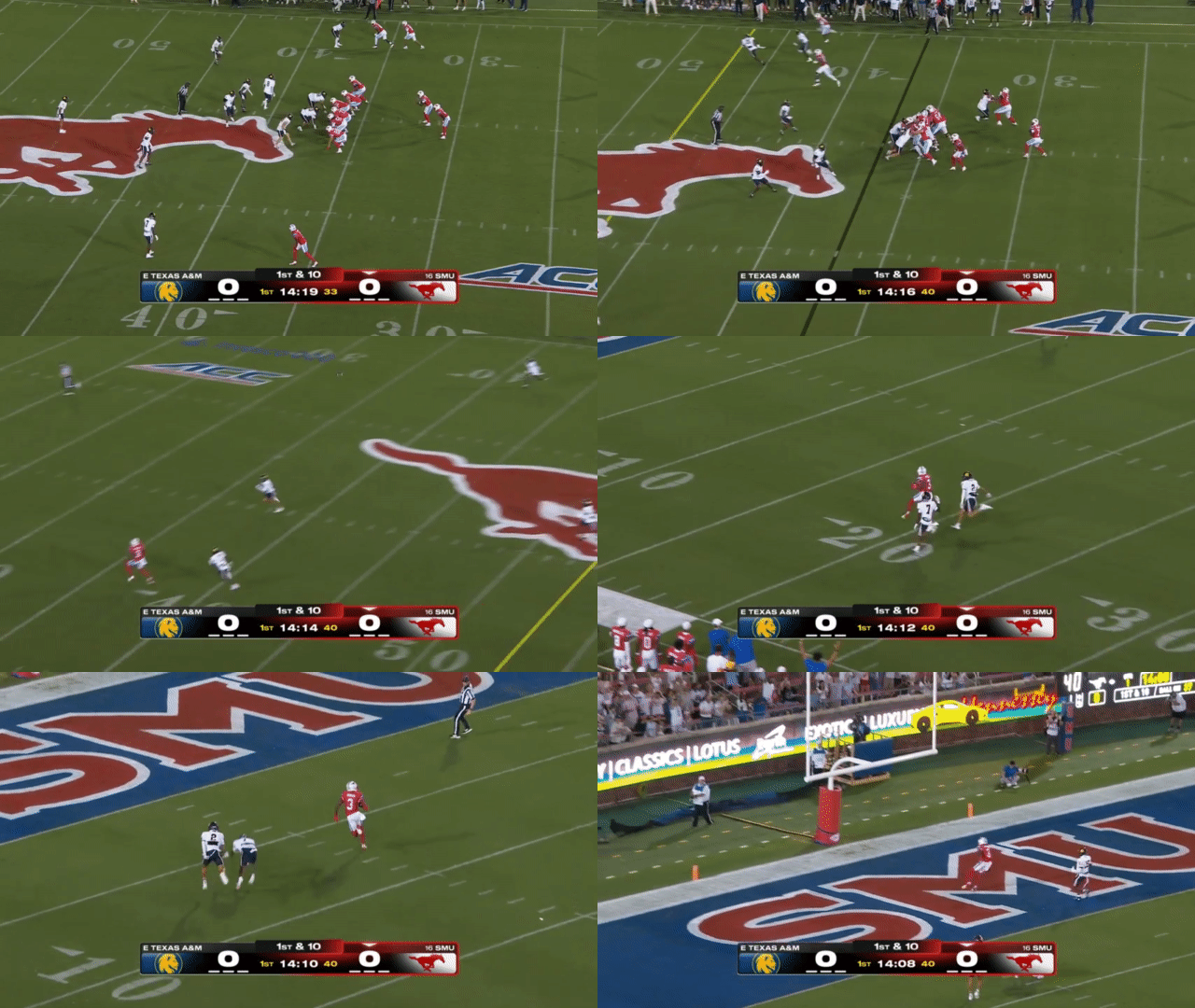
This was a nice route by Brinson, putting a double move on the Miami safety to get wide open deep:
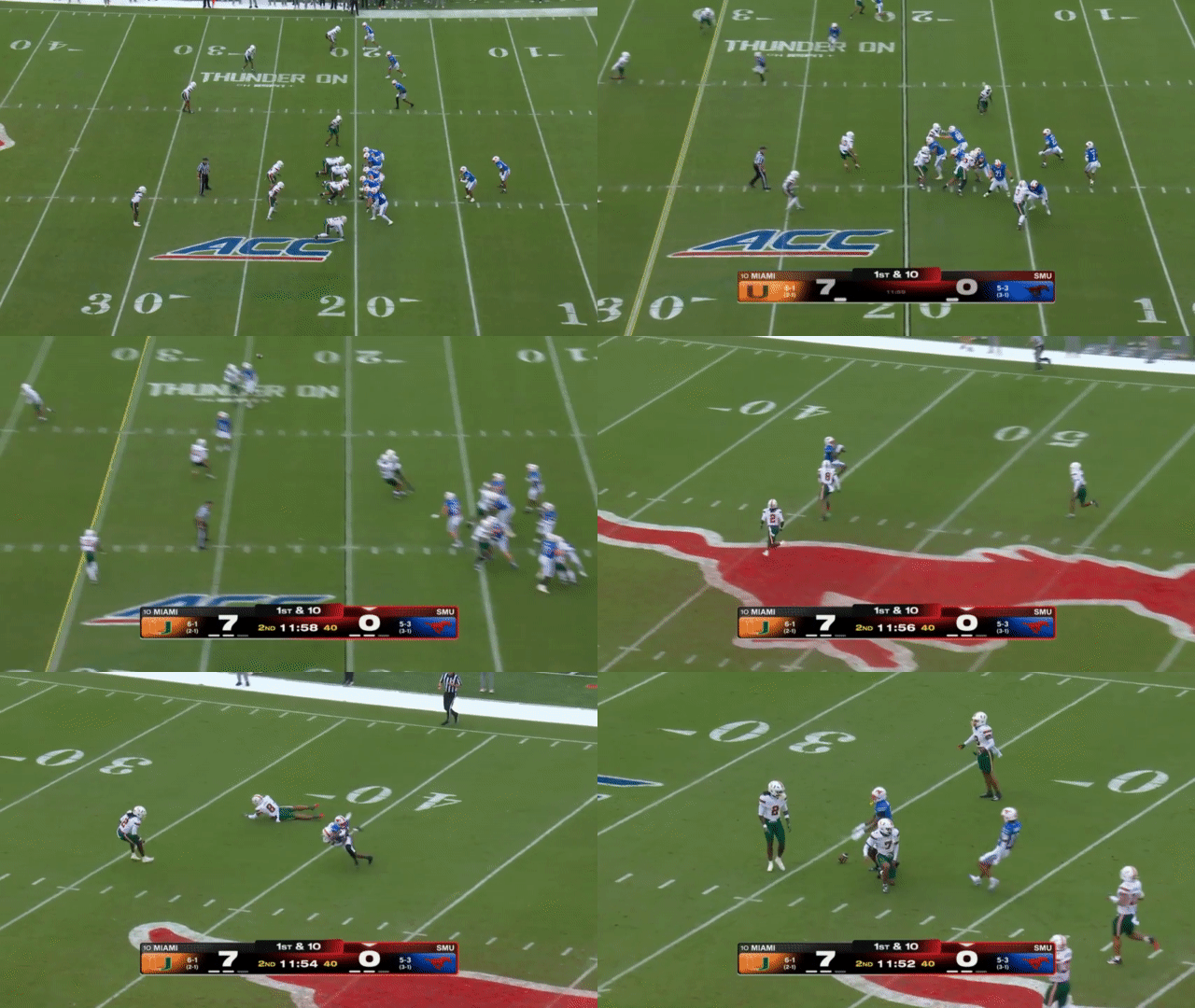
I feel like the following should count as a concentration catch as well, when catches the ball off the deflection from the defensive back:
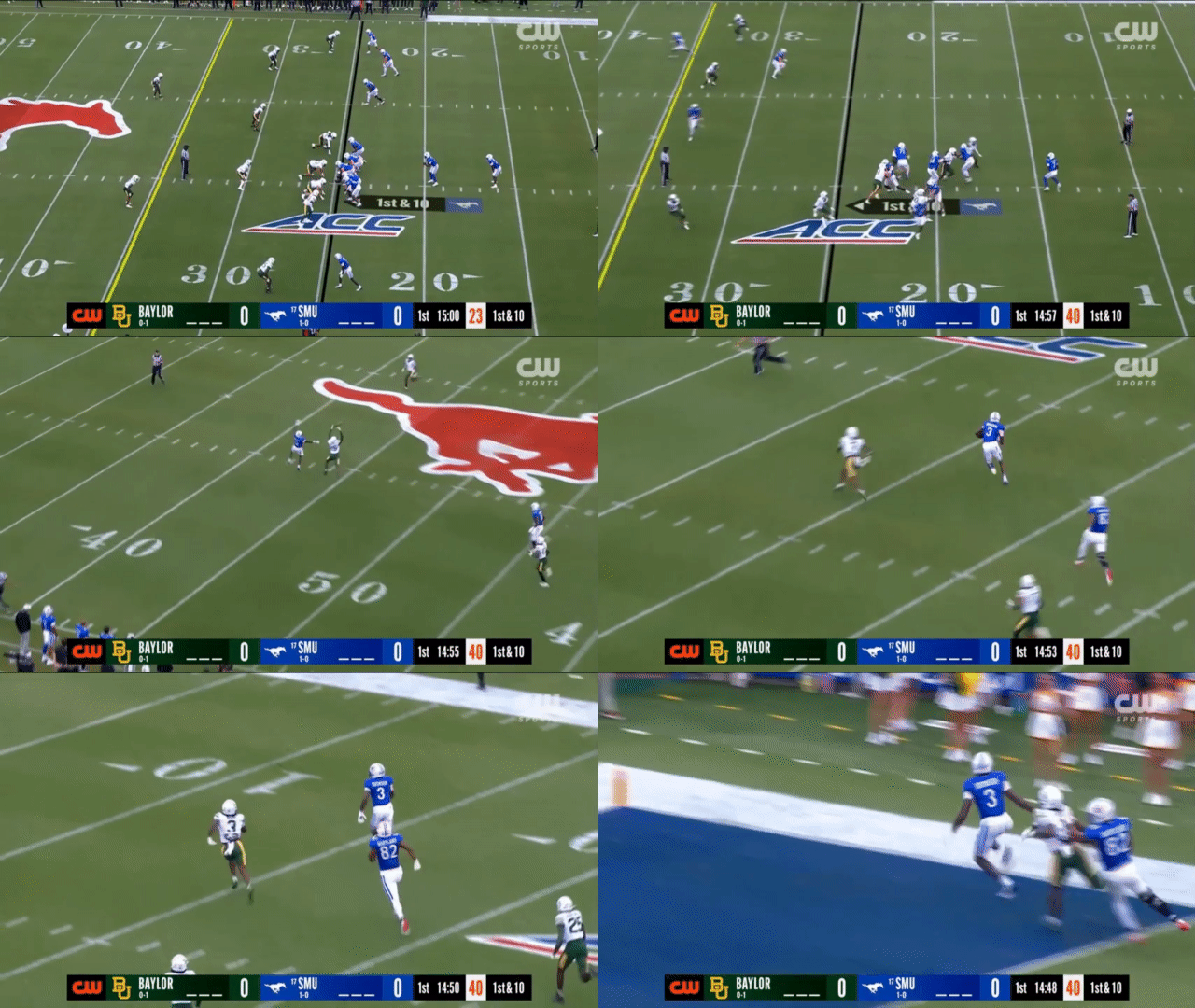
Although Brinson has had his share of drops this season, he’s also had some great catches like the following:
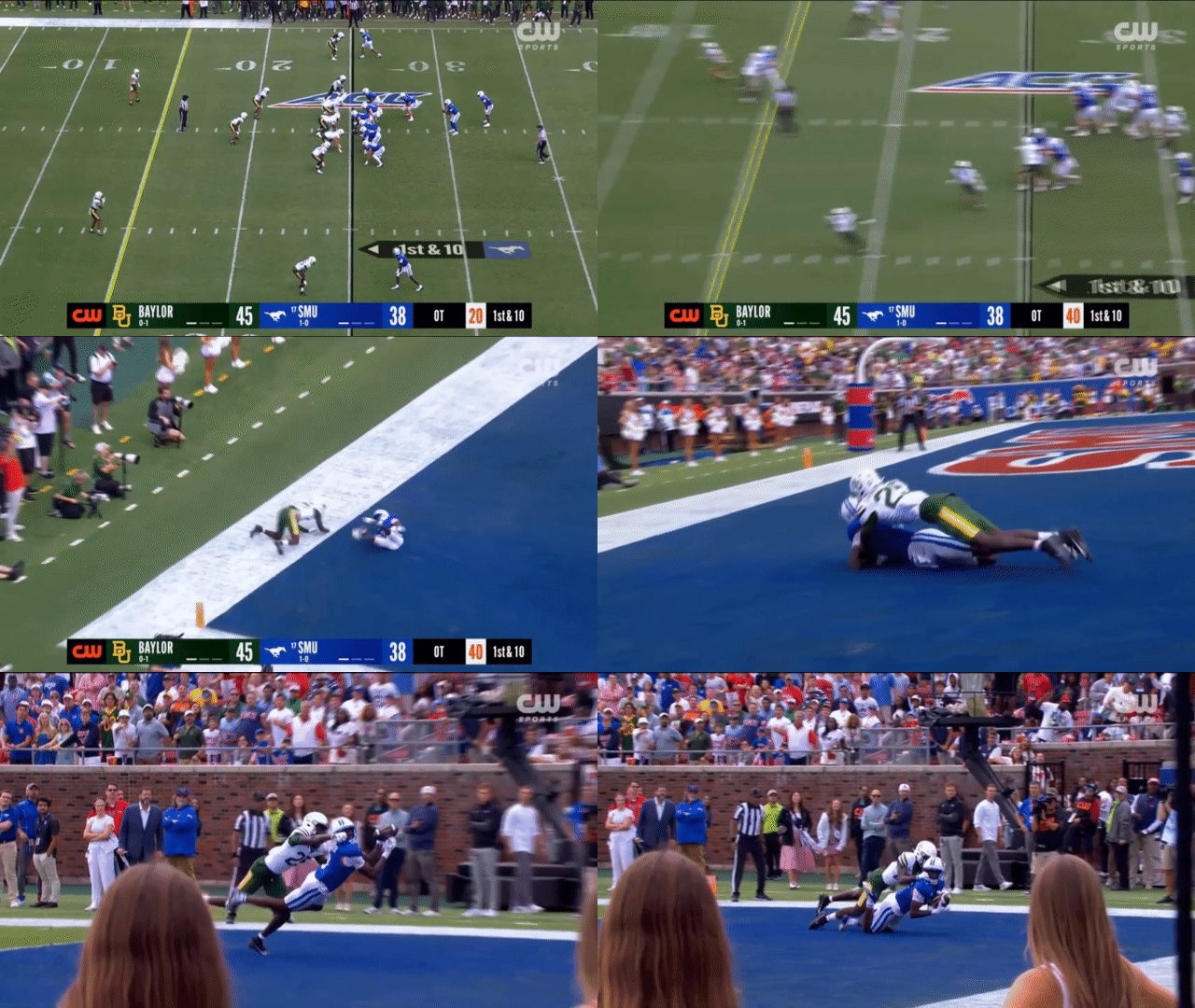
Despite Brinson’s lean build, he does a good job at fighting through contact and is not afraid to take a hit to make the catch:
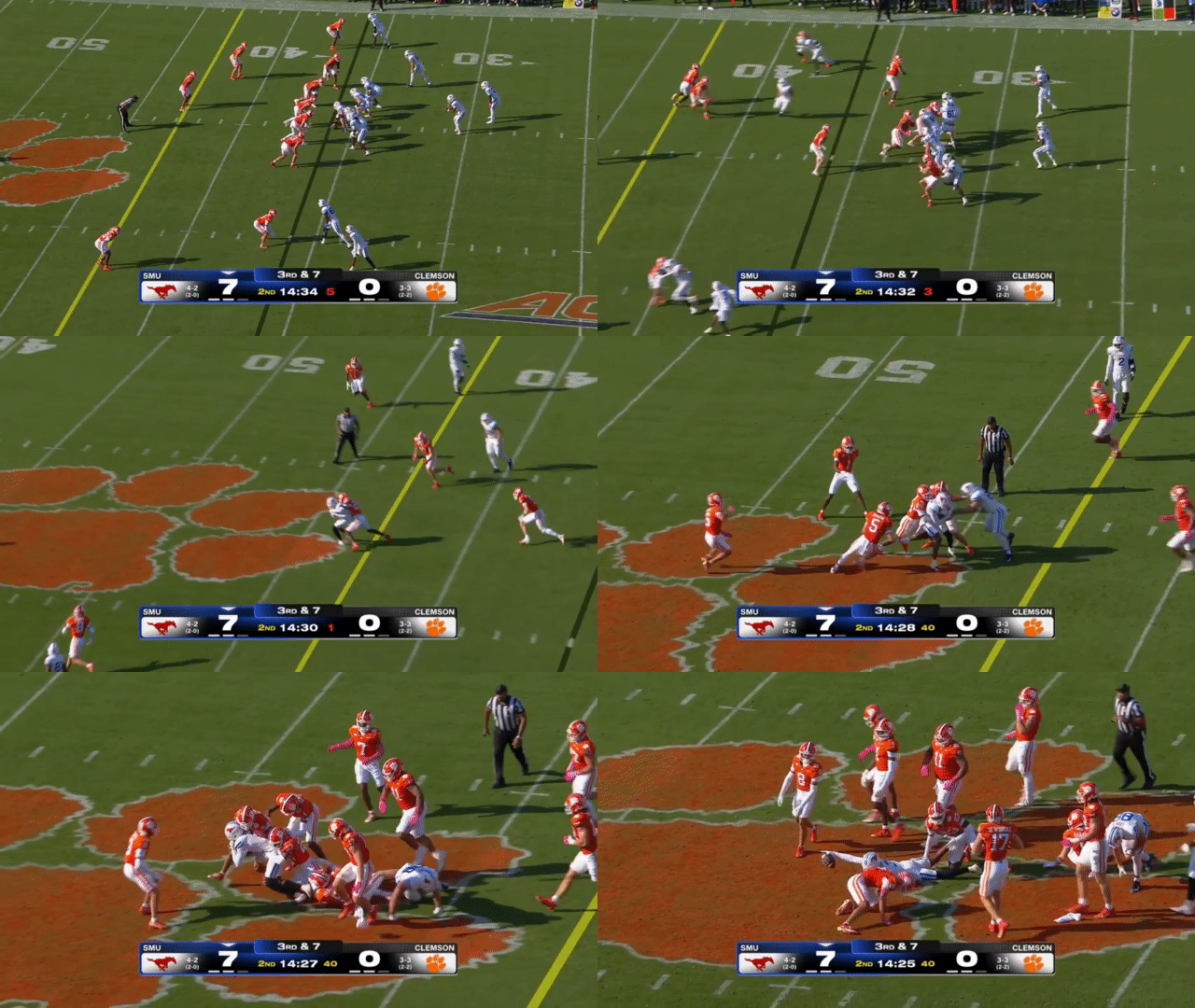
The slot receiver Yamir Knight has been coming on strong in recent weeks, particularly after he torched Boston College for 162 receiving yards a couple of weeks ago. Although Knight is usually running the shorter routes, here he gets open deep after turning his defender completely around on his route:
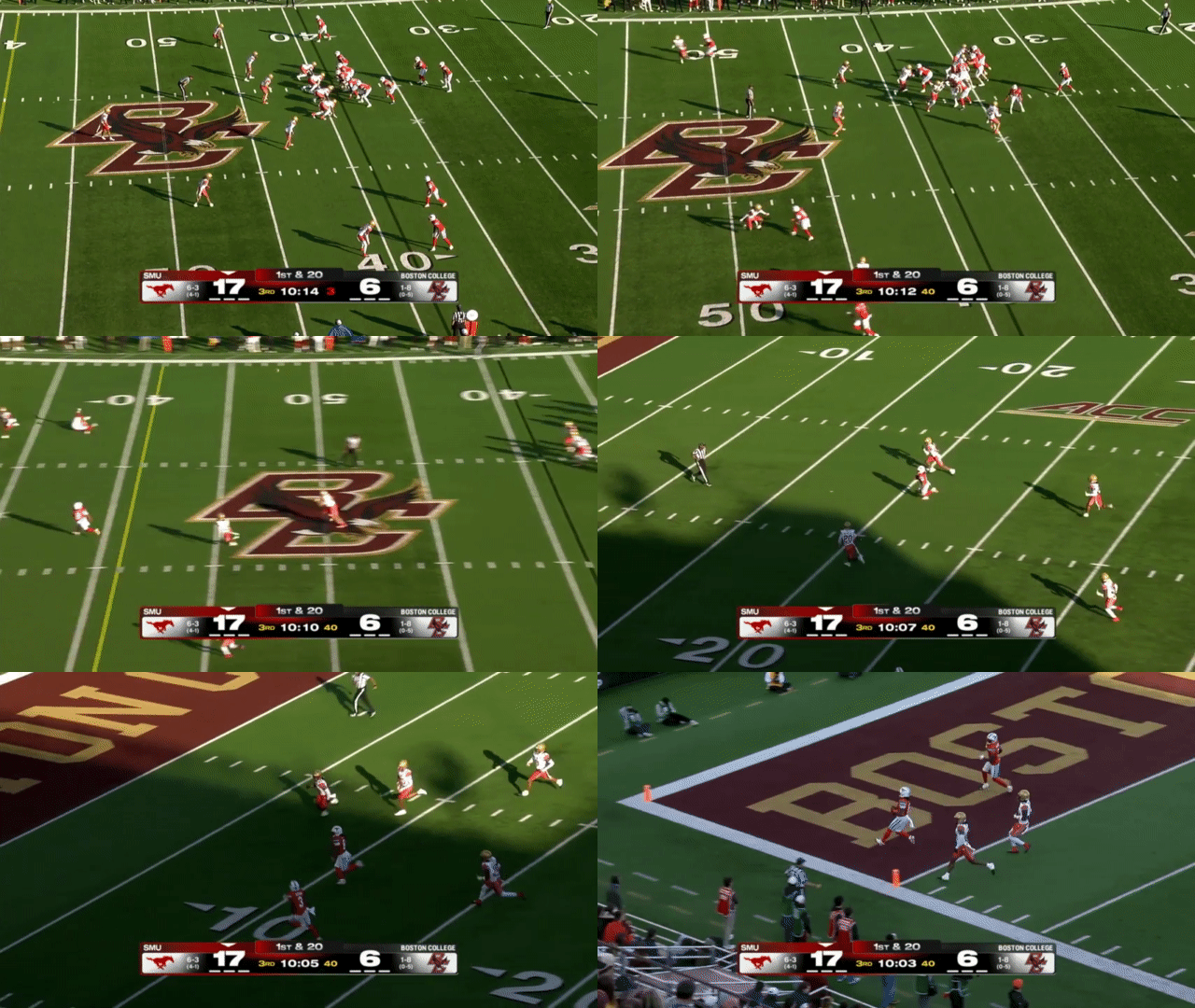
Knight showed some good hands by hanging onto the ball through contact:
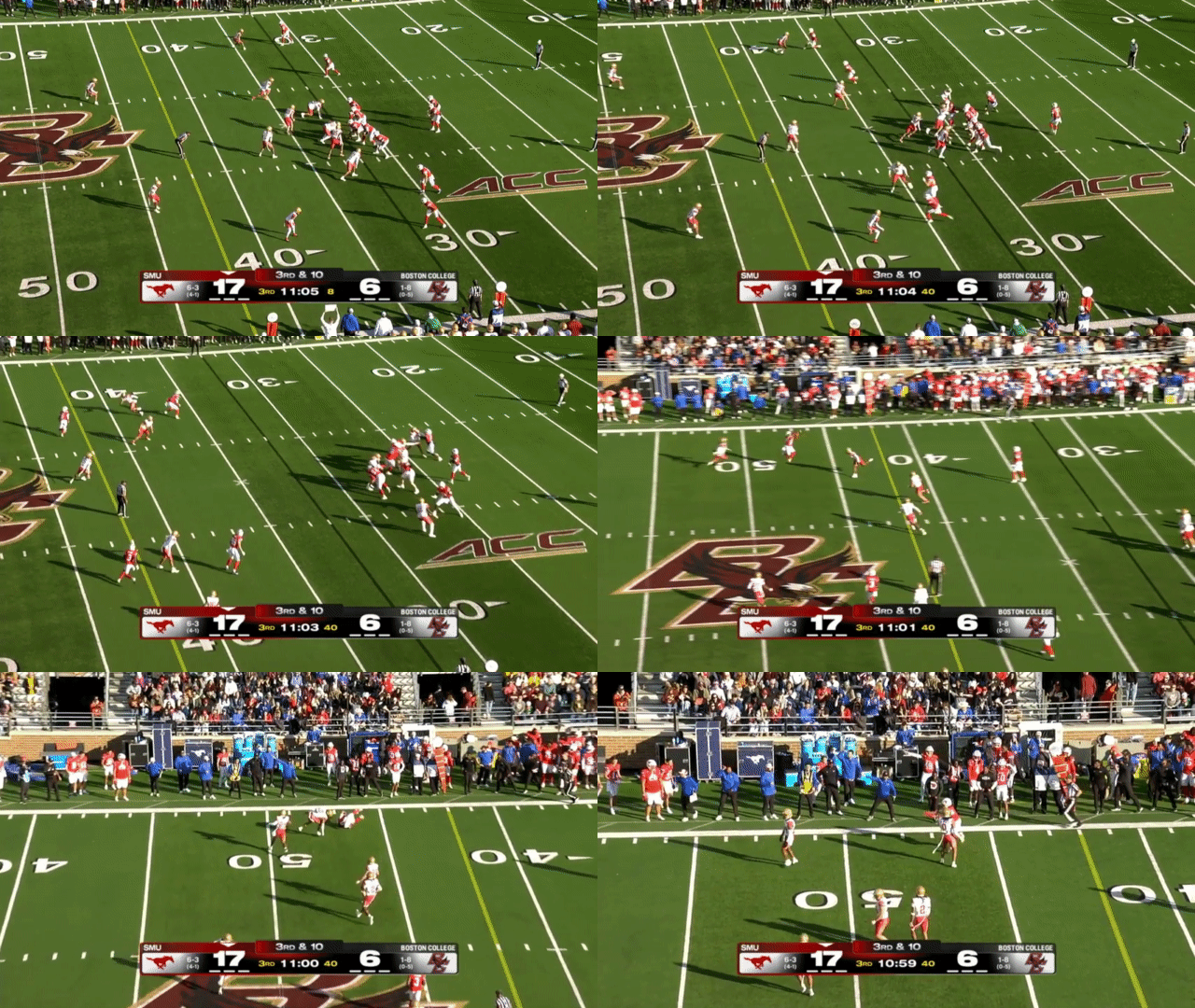
Although Knight typically found most of his yards after the catch:
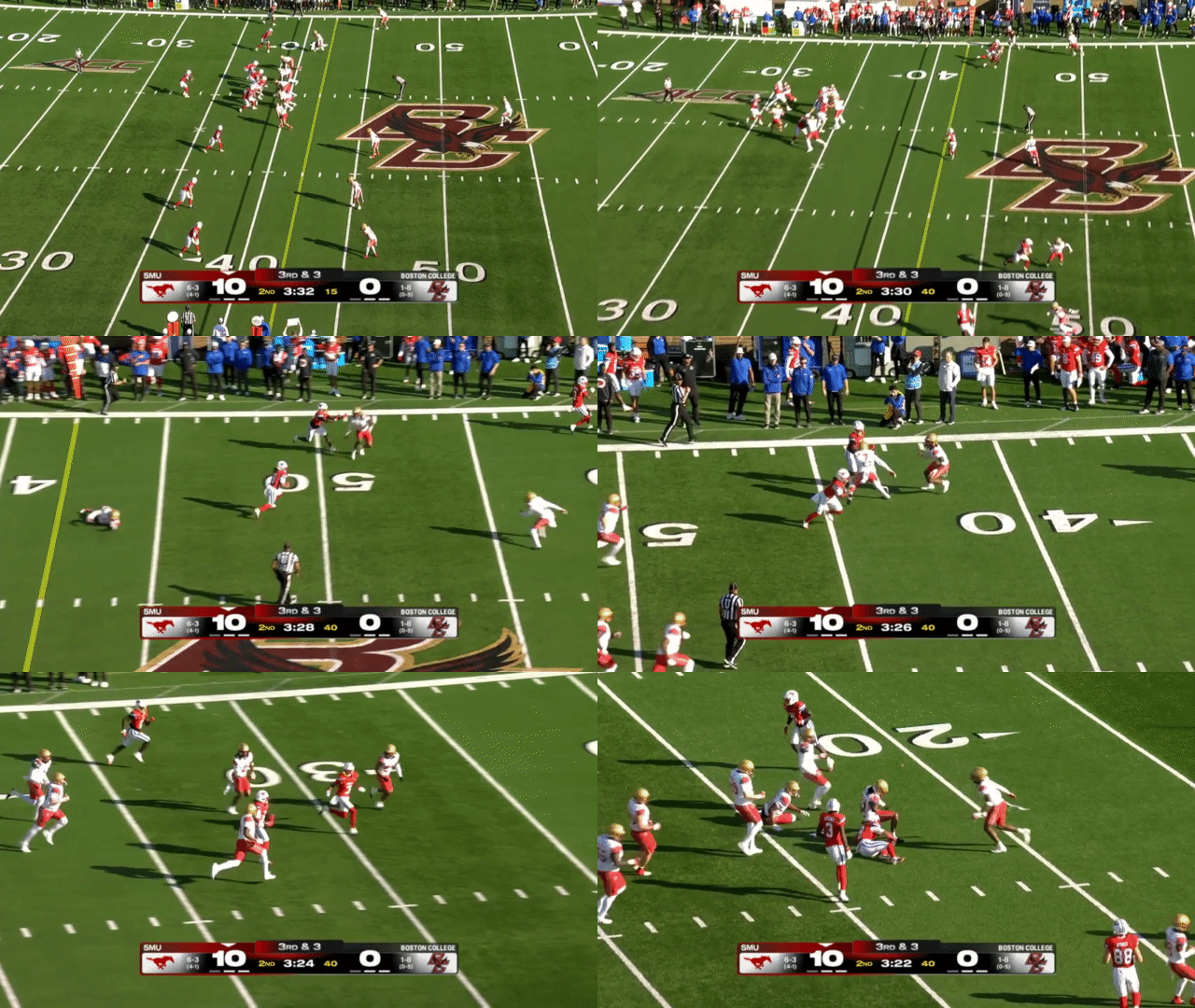
I decided I didn’t need a special teams section this week, but if I had, I would have included this clip which shows Knight’s YAC ability:
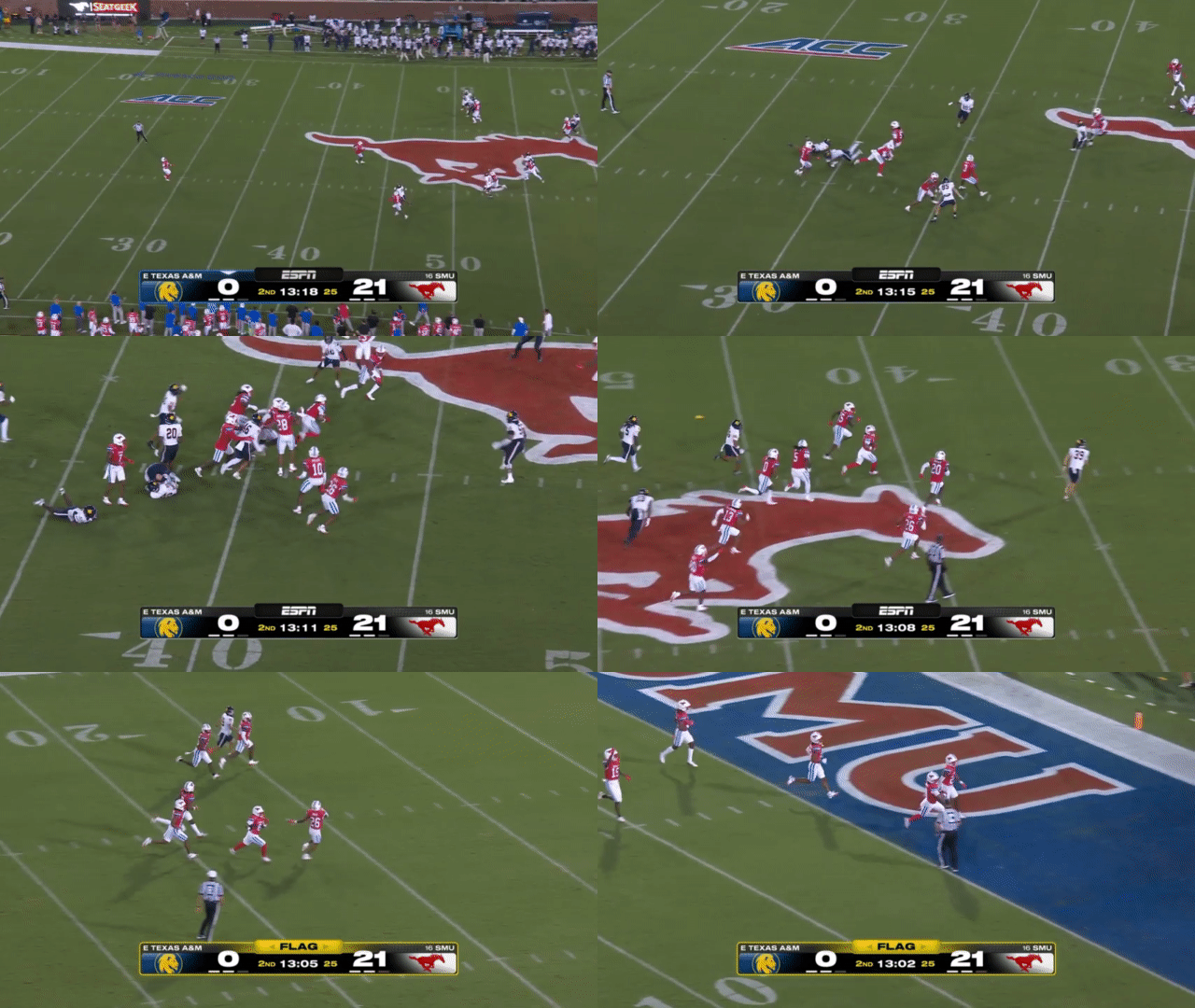
After Hudson, Brinson, and Knight, it’s the tight ends receiving the rest of the targets. I was really impressed with TE RJ Maryland (who’s really more of a tweener TE/WR type) when I watched SMU last year, but I didn’t get to talk about him much in last year’s article because he missed the end of the season with a knee injury (although I did liken him to Syracuse’s Oronde Gadsden II and NCSU’s Justin Joly, both of whom are NFL-caliber “modern” tight ends, but the knee injury isn’t ideal to NFL prospects).
Maryland is a big-bodied receiver who can line up all over the field, and SMU will sometimes use in interesting ways (e.g. wildcat snaps on short yardage situations, or on jet sweep motions, which I thought was interesting from a tight end). Maryland moves well for his size:
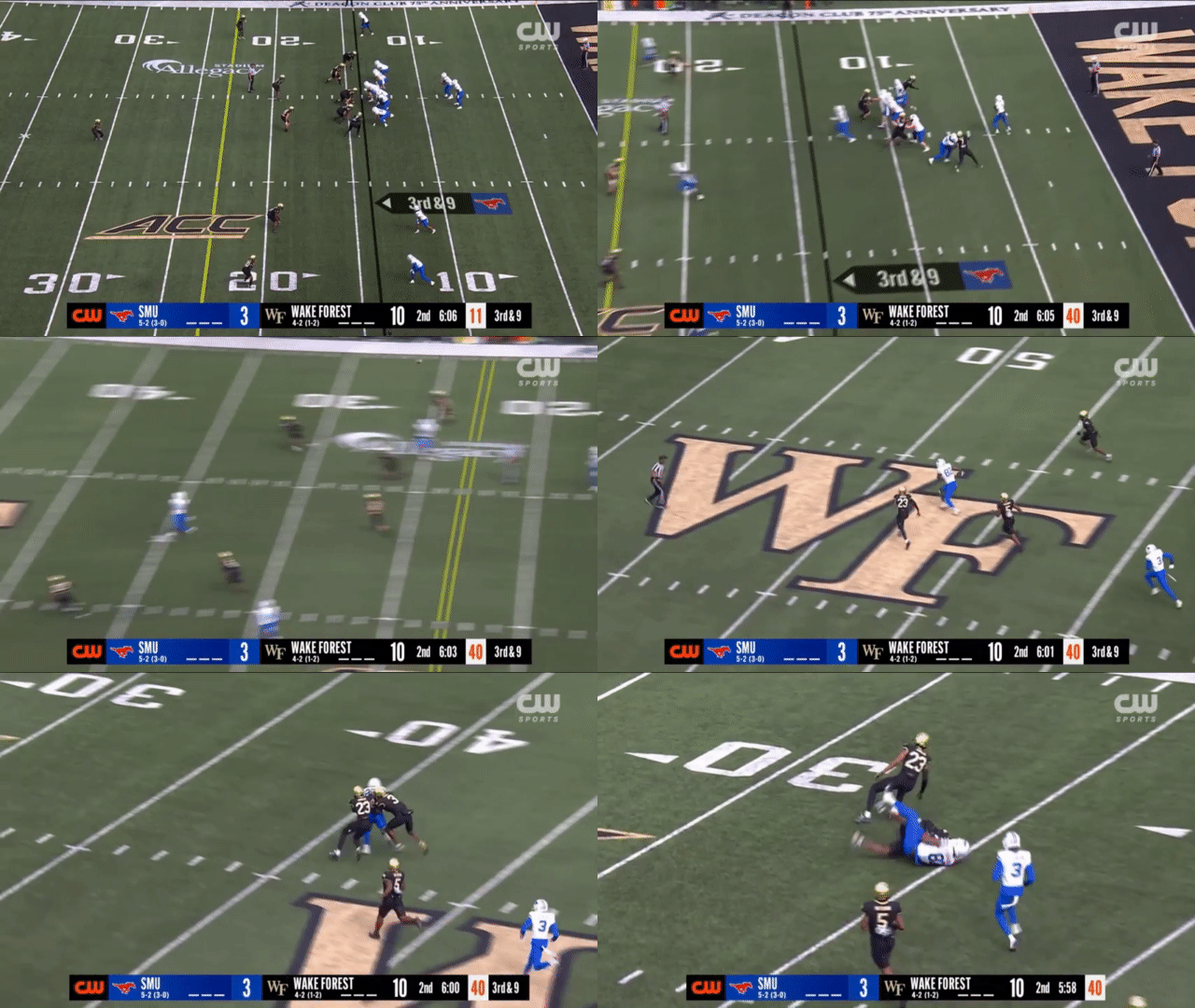
Maryland obvious has strong pass-catching ability:
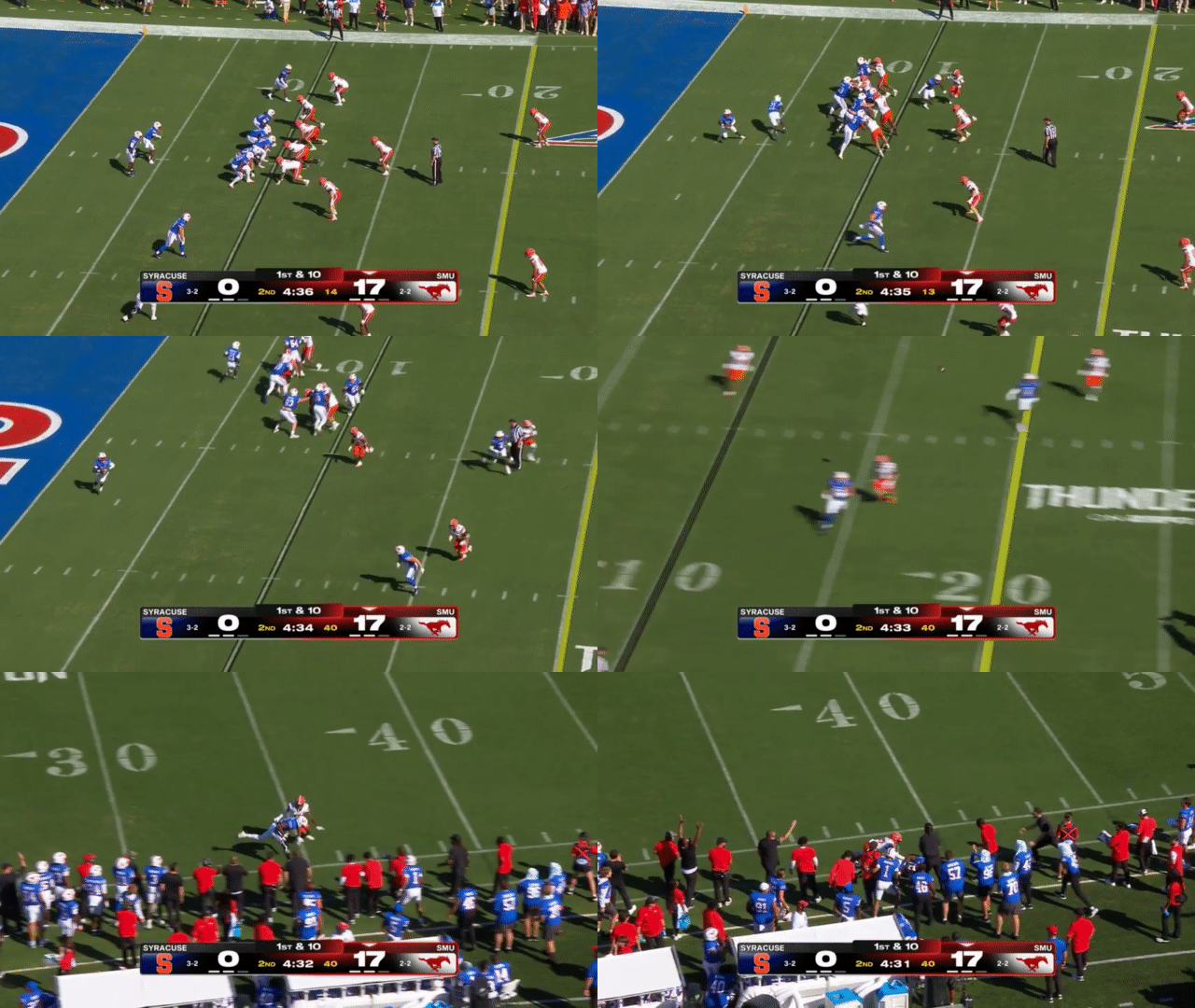
Here he shows off some nice hands:
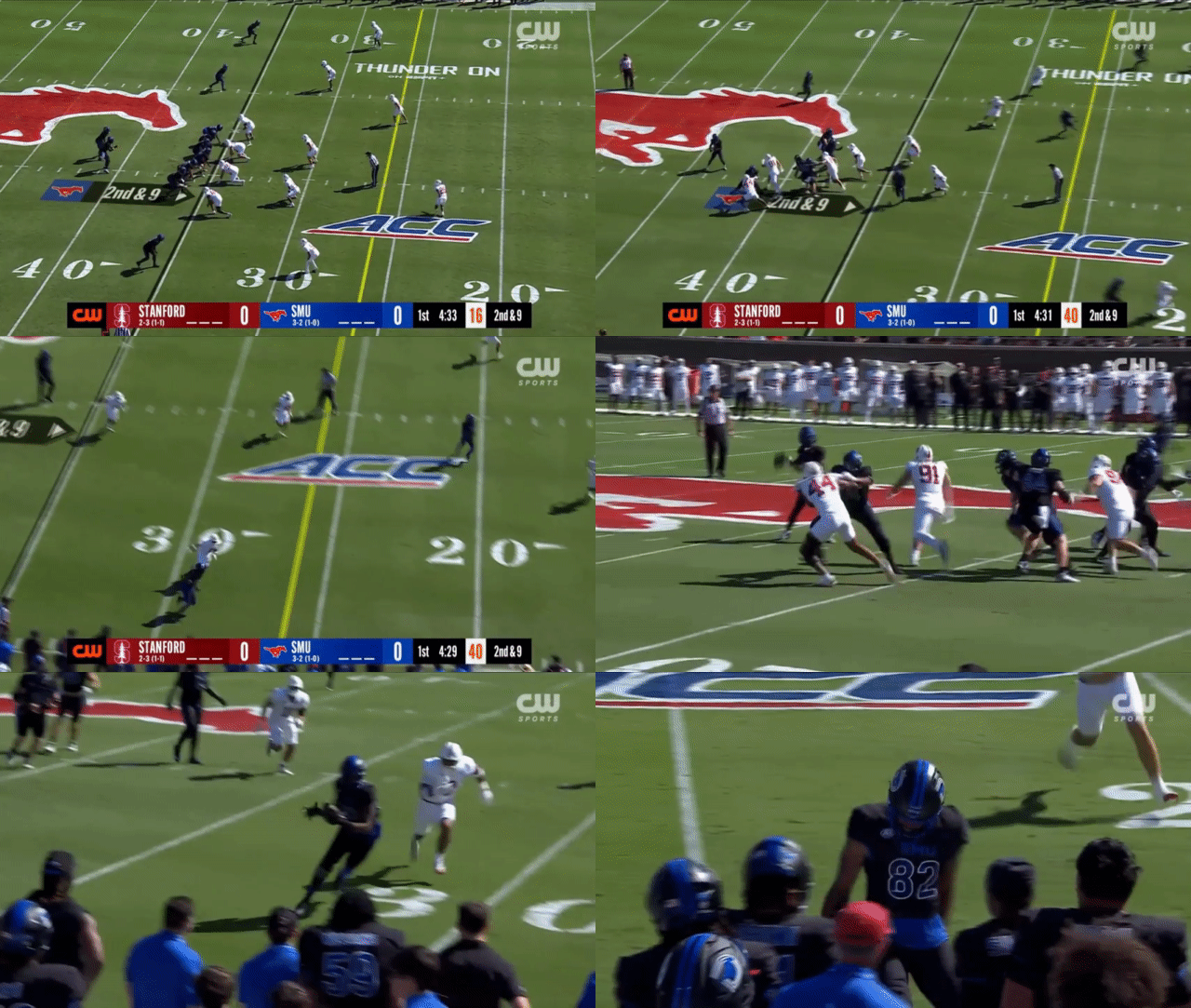
And again, a strong catch, hauling it in by his fingertips:
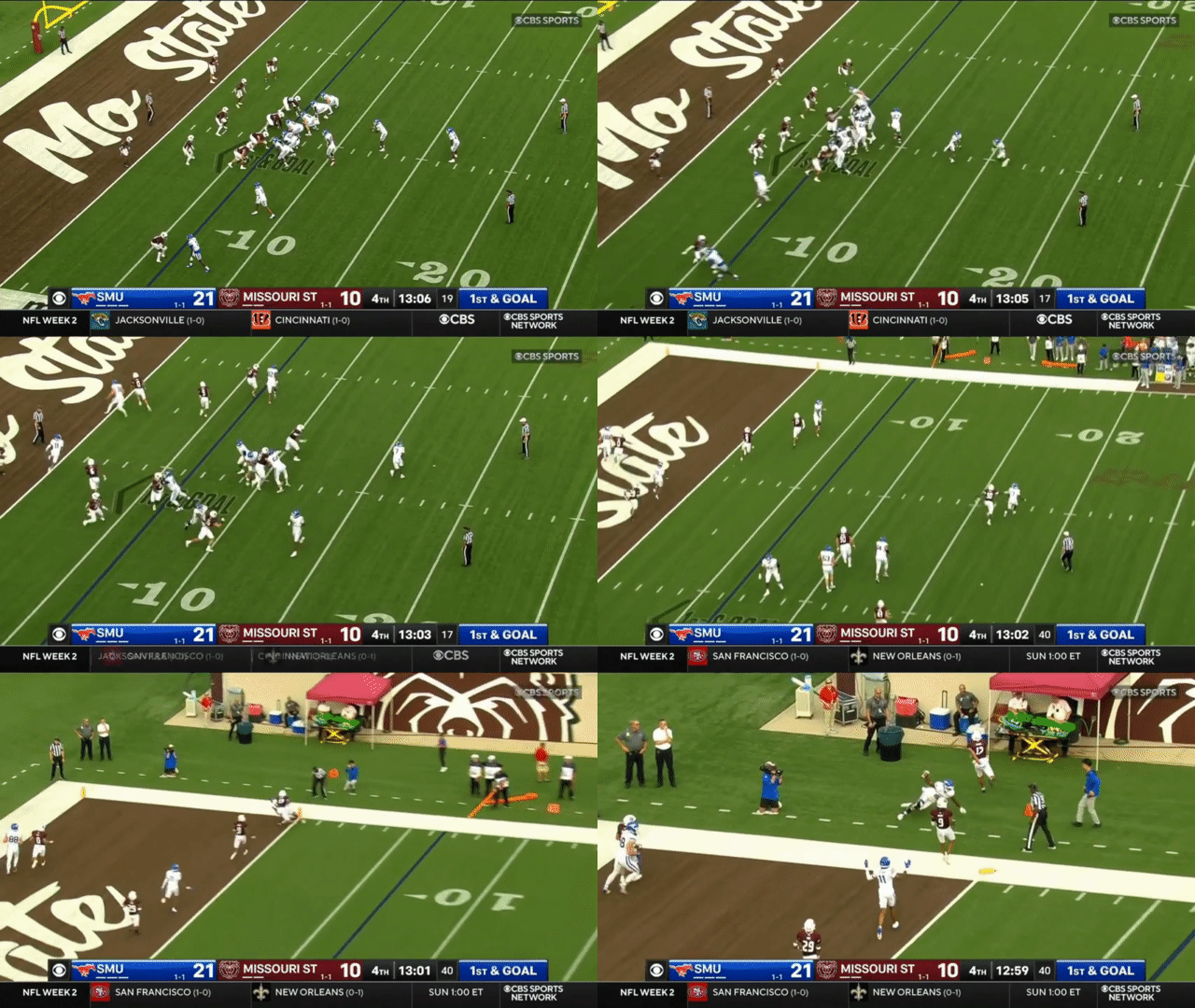
The more traditional tight end is Matthew Hibner, who SMU might try to sneak a route to catch the defense off-guard:
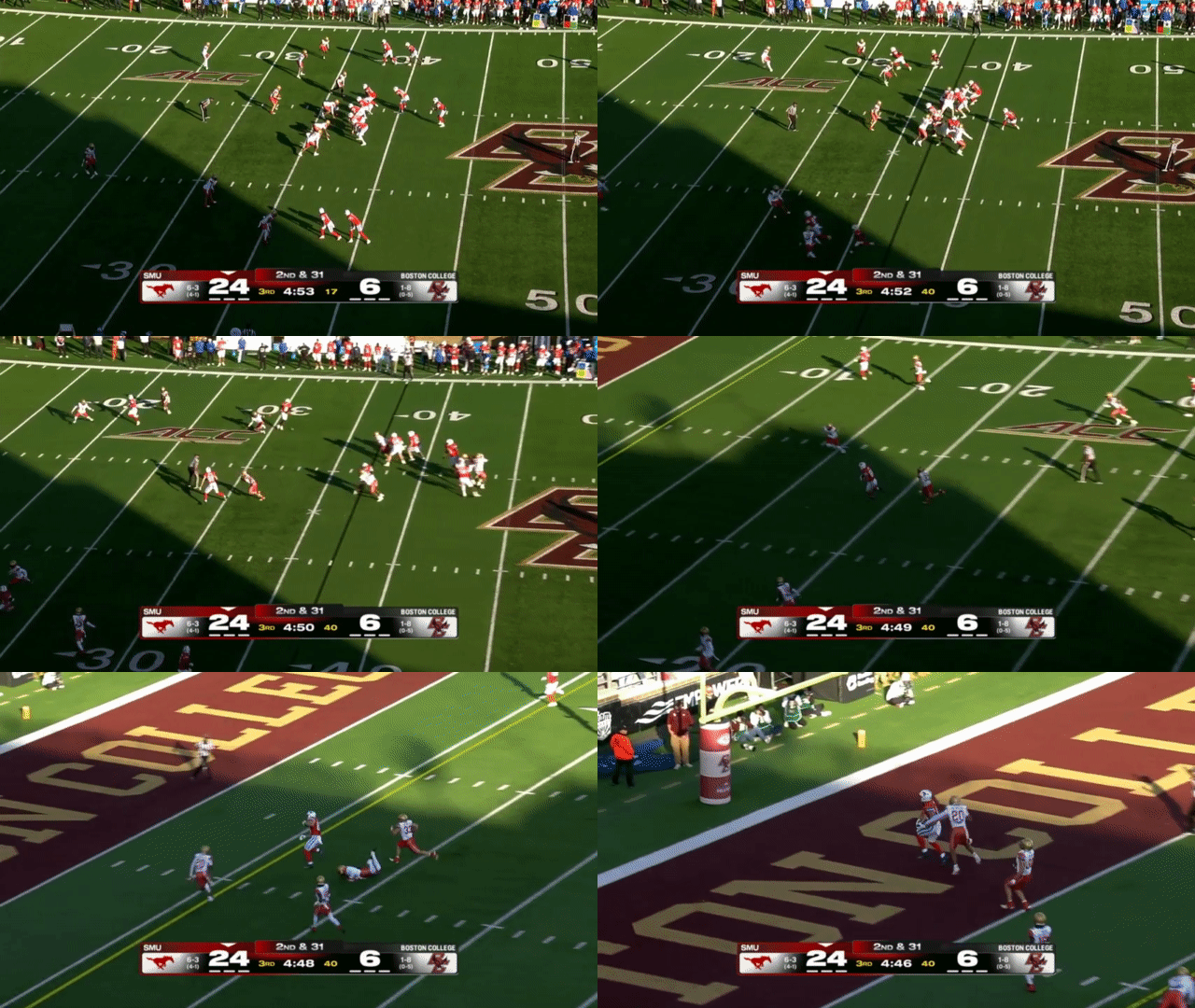
Although Hibner has also shown some decent hands:
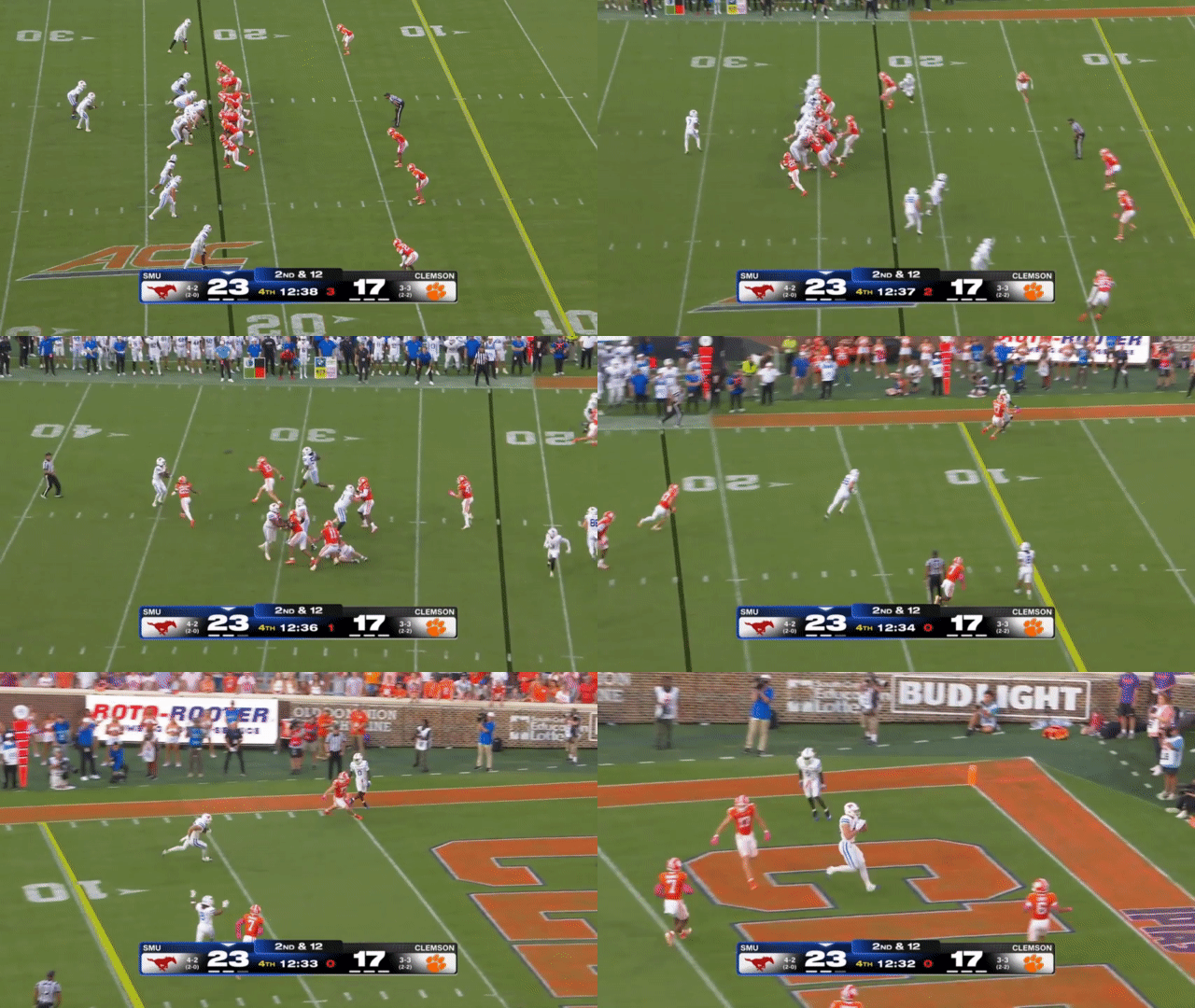
I could probably also cover the speedy freshman deep threat receiver Jalen Cooper, or Link Rhodes and his after-catch ability, but I think you get the point. SMU has a lot of weapons at receiver.
Conclusion
Last year’s matchup against a playoff-bound SMU wasn’t close, and although I think SMU may have lost a step from last year, I’m not sure this year’s matchup will be much better. SMU’s heating up at just the right time, and Cal fans are already looking forward to next season. SMU is the favorite to win the ACC right now, while Cal needed late game heroics to beat 1-10 Boston College and 4-7 North Carolina, and just lost to a 3-7 (now 4-7) Stanford. Wilcox defenses historically struggled with defending dual-threat quarterbacks like Kevin Jennings, but with Wilcox gone, I don’t know how I can even delude myself into thinking that Cal can scheme up some magic X’s and O’s to stop SMU’s offense. If the Cal offensive line can somewhat hold up, I can see JKS finding some big plays here and there against a weaker secondary, but nowhere near enough to keep pace with this SMU offense. Like last year, I have trouble seeing a plausible path to Cal victory, short of a complete SMU meltdown. Oh well.
Go Bears.
You can find my full clips here.
OK, no matter how much it is, WFC simply cannot be paying you enough for these amazing previews. I'll admit I skimmed through this one, but have devoured others. Thank you for your excellent work Christopher. Go Bears Forever! Onward!
SMU was given the death penalty and they were able to recover.
Cal was given the Wilcox penalty, let’s hope we can recover.