

IT’S BIG GAME WEEK.
The annual matchup where we’re reminded that this is not just a match up between the blue team and the red team, the good guys versus the bad. No, it’s a matchup between people, and we are all people. Some of those people just happen to be bad people. It’s that week of the year that you’re reminded of a university that’s actively making the world worse.
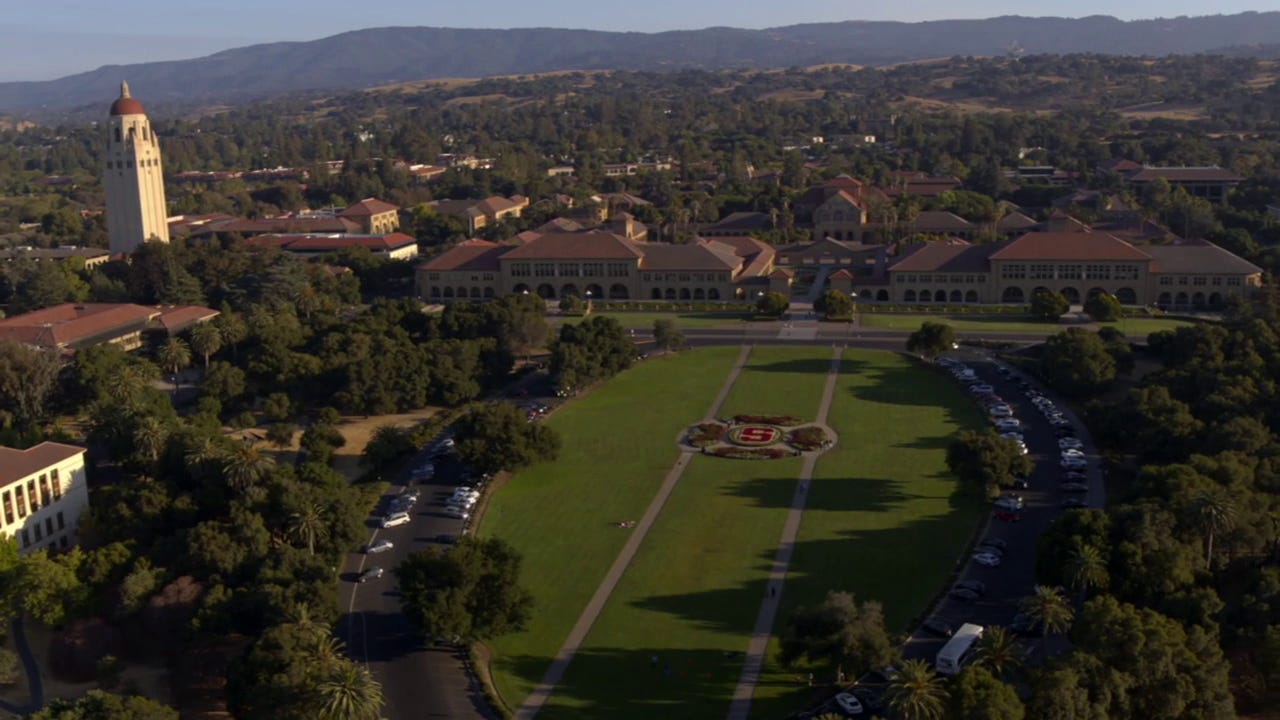
I mean, sure, it would be easy to pick on criminals like Elizabeth Holmes, who was convicted of defrauding investors of over $700 million dollars. Or Brock Allen Turner, the poster boy of privilege, for his extremely lenient sentencing after his felony assault on an unconscious woman on campus. I could also remind you of Paul Blizerian, corporate takeover specialist—who was convicted of nine counts including criminal conspiracy, making false statements, securities fraud, tax fraud, and securities law violations—but whose worst crime is probably releasing “influencer” Dan Blizerian on the world. Or take Stanford Emeritus professor Paul R. Ehrlich, whose pseudoscientific fear-mongering book “The Population Bomb” led to the sterilization of millions of men in India (overpopulation leads to communism, and we cannot afford a half dozen Vietnams, of course). There’s no shortage of Stanford criminals—feel free to add more in the comments!
There’s also the Stanfurdians who aren’t nakedly criminal, but who definitely aren’t on a course to make the world better. There’s Scott Atlas, an advisor on Donald Trump’s Coronavirus Task Force in 2020, who encouraged people to “rise up” against state restrictions adopted to prevent the spread of the coronavirus, instead advocating for Trump’s favorite “herd immunity” strategy. There’s Josh Hawley, Missouri Senator, who wrote a book called “Manhood: The Masculine Virtues America Needs” shortly after cowering in fear from the January 6 mob he helped whip up. There’s Dario Amodei, Anthropic CEO, who says that AI is going to cure cancers, cure Alzheimer’s, and double the human lifespan. There’s Peter Thiel, who believes transfusing young people’s blood into his veins is the key to the “Fountain of Youth”, sees “anti-AI regulation” as “the Antichrist” (or maybe it’s Greta Thunberg, who’s to say), installed JD Vance as his puppet to usurp Trump, and whose company Palantir is doing way too many evil things for me to enumerate them all. Of course, Peter Thiel thought so highly of his time at Stanford, that he’ll even pay you not to go there. We could also mention Elon Musk leveraging his acceptance to Stanford and temporary legal immigration status as a student to work illegally in the United States, and how Musk now views “illegals” like him and how they should be treated. Don’t @ me, bots.
But that’s old news. There are new Stanford criminals setting more records every day. Take, for instance, Sam Bankman-Fried’s partner Caroline Ellison, who was involved in his $11 billion dollar fraud scheme at FTX. Or take the entrepreneurial spirit of this Stanford alumna, who sold meth through DoorDash (but in like a classy, sophisticated criminal way). Just think of what greatness Stanford students are currently aspiring to, and what crimes Stanford alumni are currently up to, that we just haven’t heard about yet. I’m excited to find out!
But this article is about a football game, that is in no way an allegory of the fight between good and evil.
Stanford football is in a bit of a transitory period this year, as they try to modernize their archaic program to the modern realities of college football. They’ve hired a former player as a Football GM (who does that?)—Andrew Luck, best known for throwing the game-losing interception straight to Mike Mohamed in the endzone at Palo Alto in 2009, but was also an NFL #1 pick that played 6 seasons for the Indianapolis Colts or something like that, reportedly.
As part of this modernization, Stanford has reversed course on their transfer portal philosophy, accepting 17 transfers this year, which is more transfers than they’ve had in the history of the program combined. (Stanford also lost plenty of starting talent to the transfer portal: WR Tiger Bachmeier to BYU, QB Ashton Daniels to Auburn, DE David Bailey Texas Tech, WR Emmett Mosley V to Texas and WR Jackson Harris to Hawaii). Last year, Stanford had just 2 transfers, which was 2nd fewest in the FBS (behind Clemson, who had 1). No longer can Stanford complain about “academic requirements” or make excuses as to why their recruits are who they are. They’re free to bring in anyone they want, and they’re willing to spend to get them. Surely, an influx of talent is inbound, and excitement for the program is as high as ever.
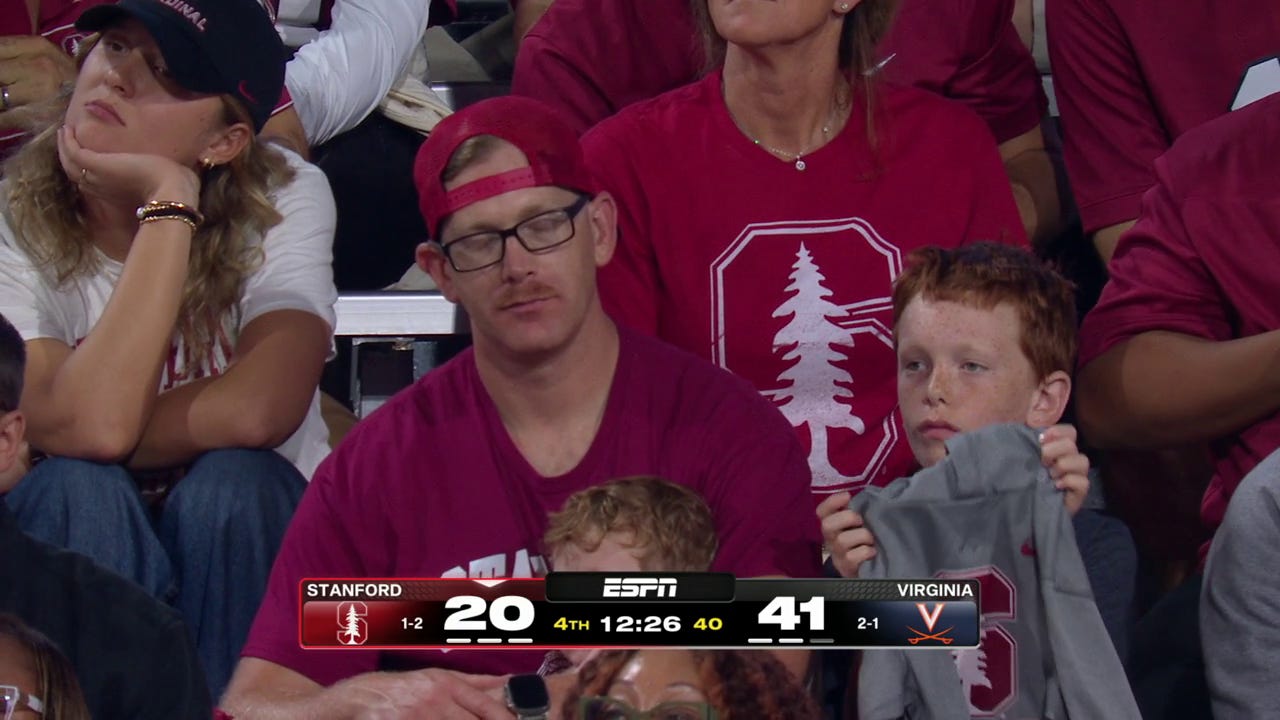
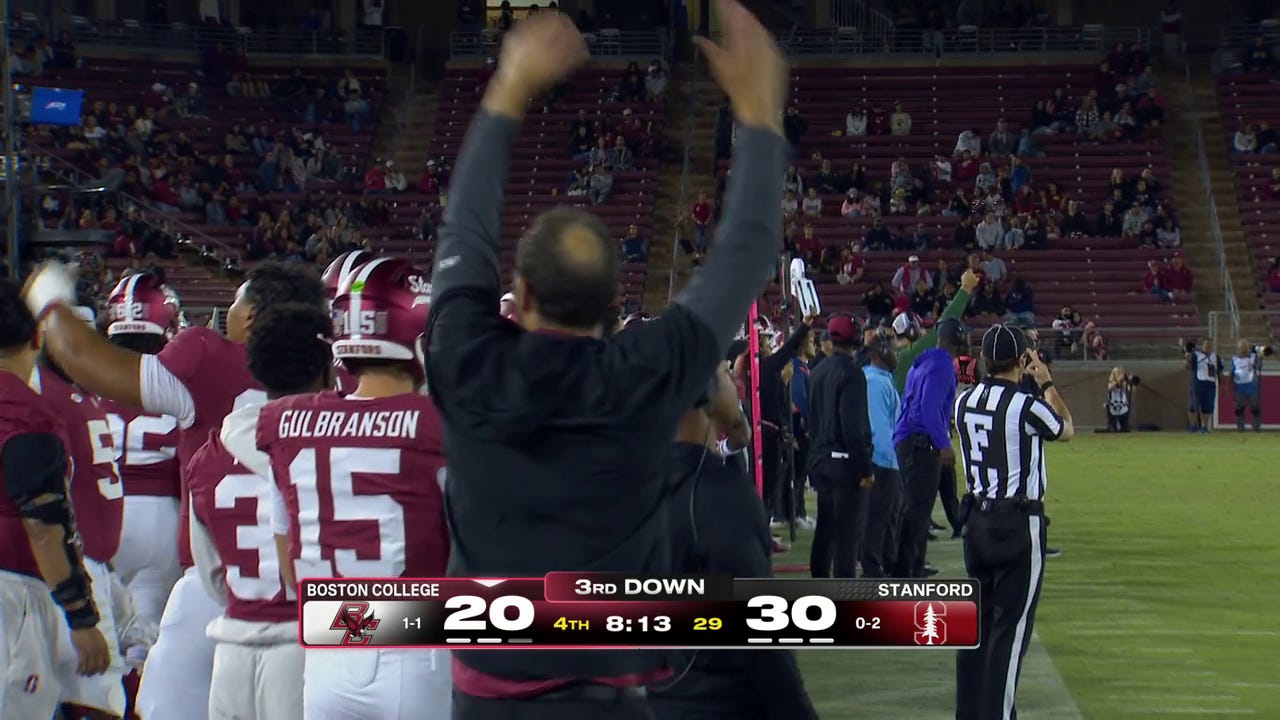
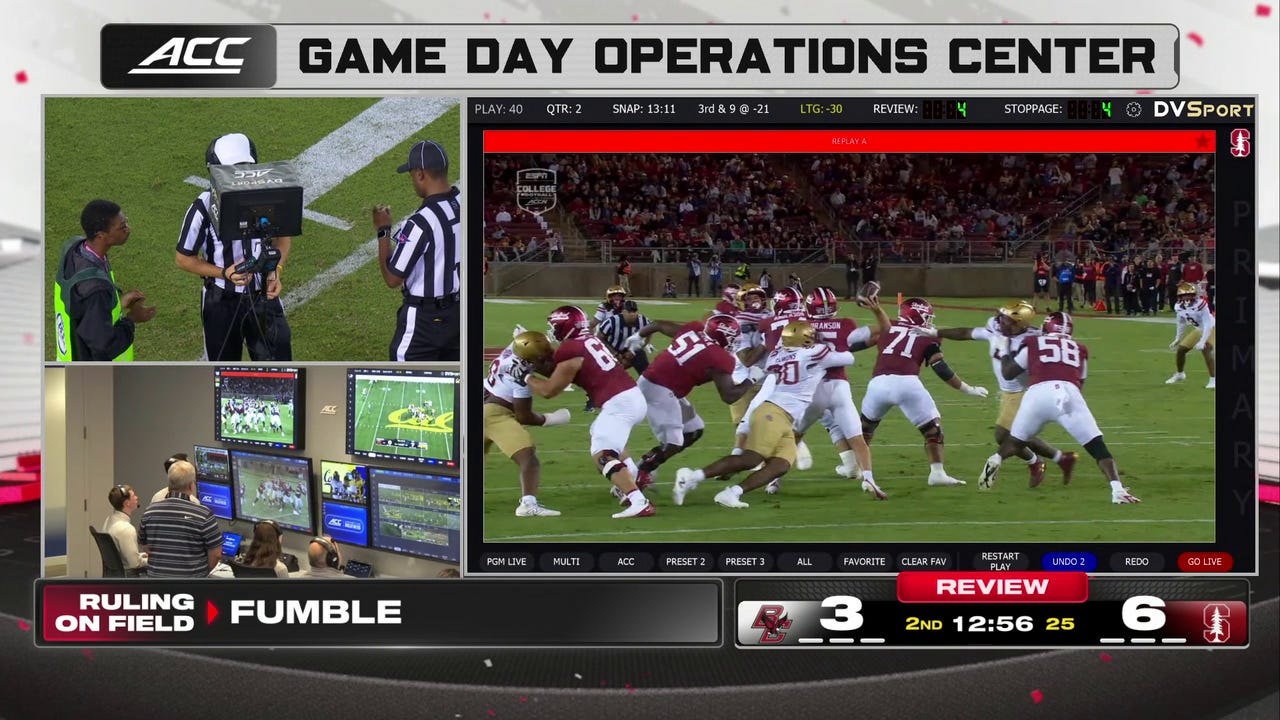
Of course, like Cal, Stanford still has to deal with the modern realities of playing road games on the east coast.
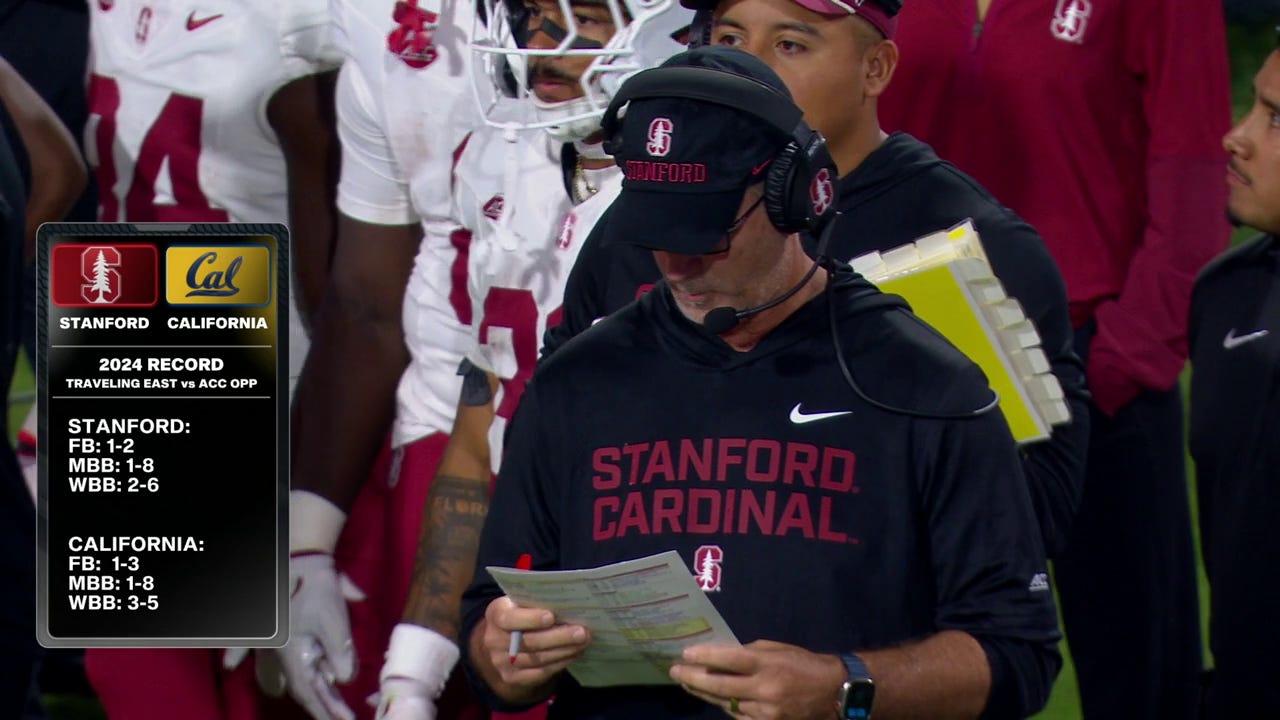
Stanford went winless (0-6) in road games this year, but is currently 3-1 at home (wins over BC, SJSU, and FSU, with a loss to Pitt). No word on how Stanford fares when playing at home, but with the stadium filled entirely with opposing fans. More to come this Saturday.
Stanford is led by interim head coach Frank Reich, most notably the offensive coordinator for the Super Bowl LII-winning Philadelphia Eagles of the 2017 season, and Andrew Luck’s former head coach of the 2018 Indianapolis Colts, Luck’s final season.
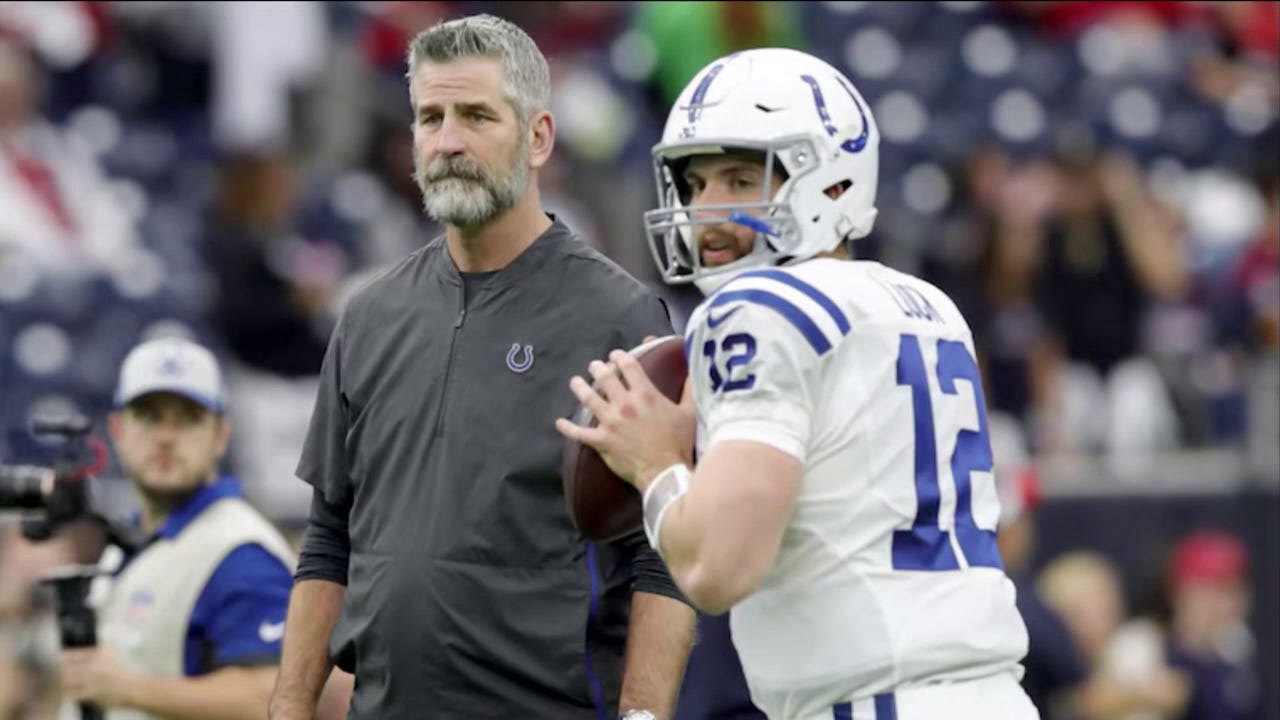
Frank Reich is also known for his monumental comebacks. As the backup QB, he came off the bench for Maryland in 1984 to lead a comeback over #6 Miami 42-40 after trailing 31-0 at halftime. As the backup Bills QB in 1993, he led the Bills to another comeback win 41-38 over the Oilers after trailing 35-3 in the 3rd quarter. Being successful at leading a team facing monumental deficits was an appealing trait to Stanford, who is regularly facing monumental deficits.
Let’s take a closer look at why that is.
Offensive line
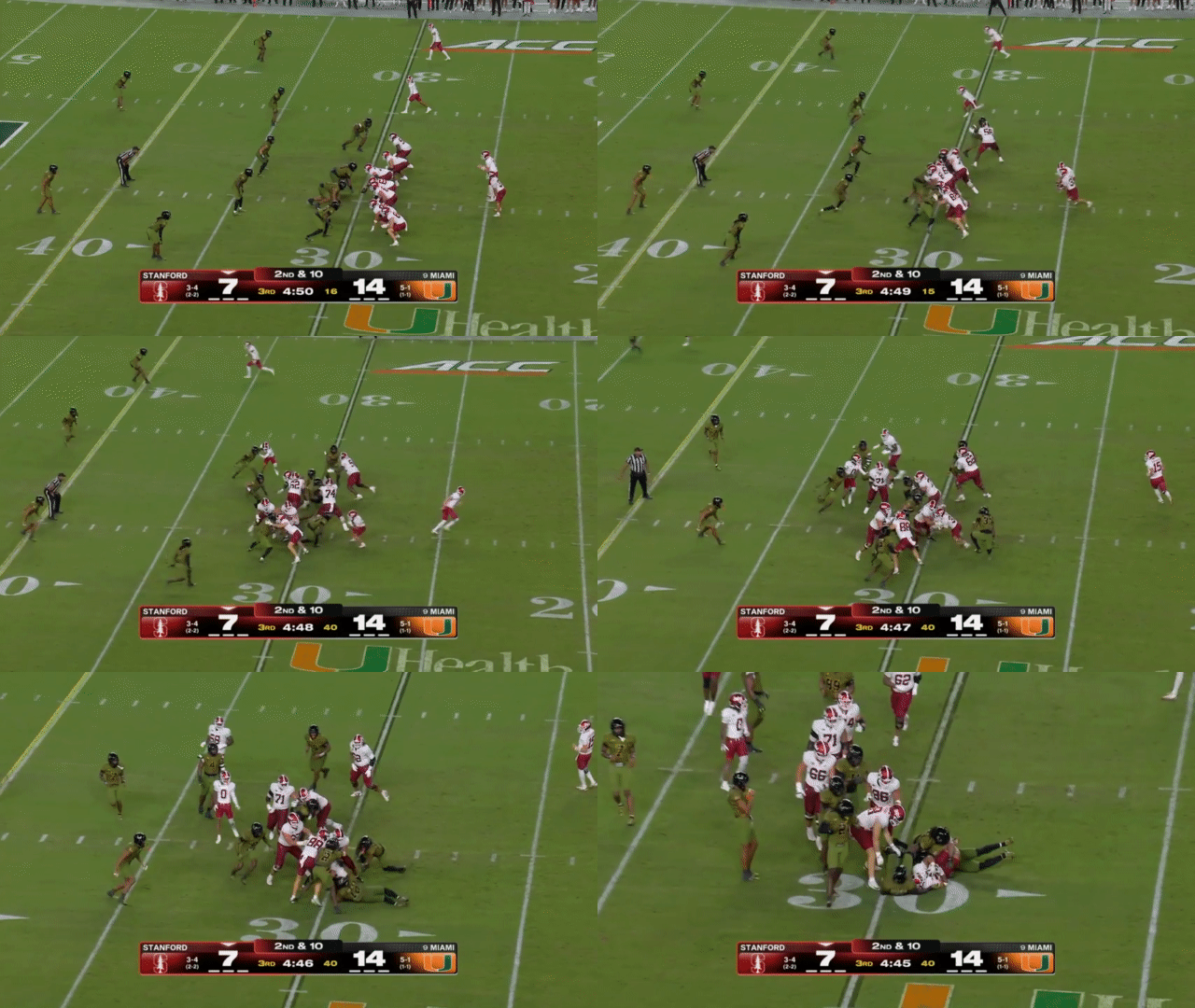
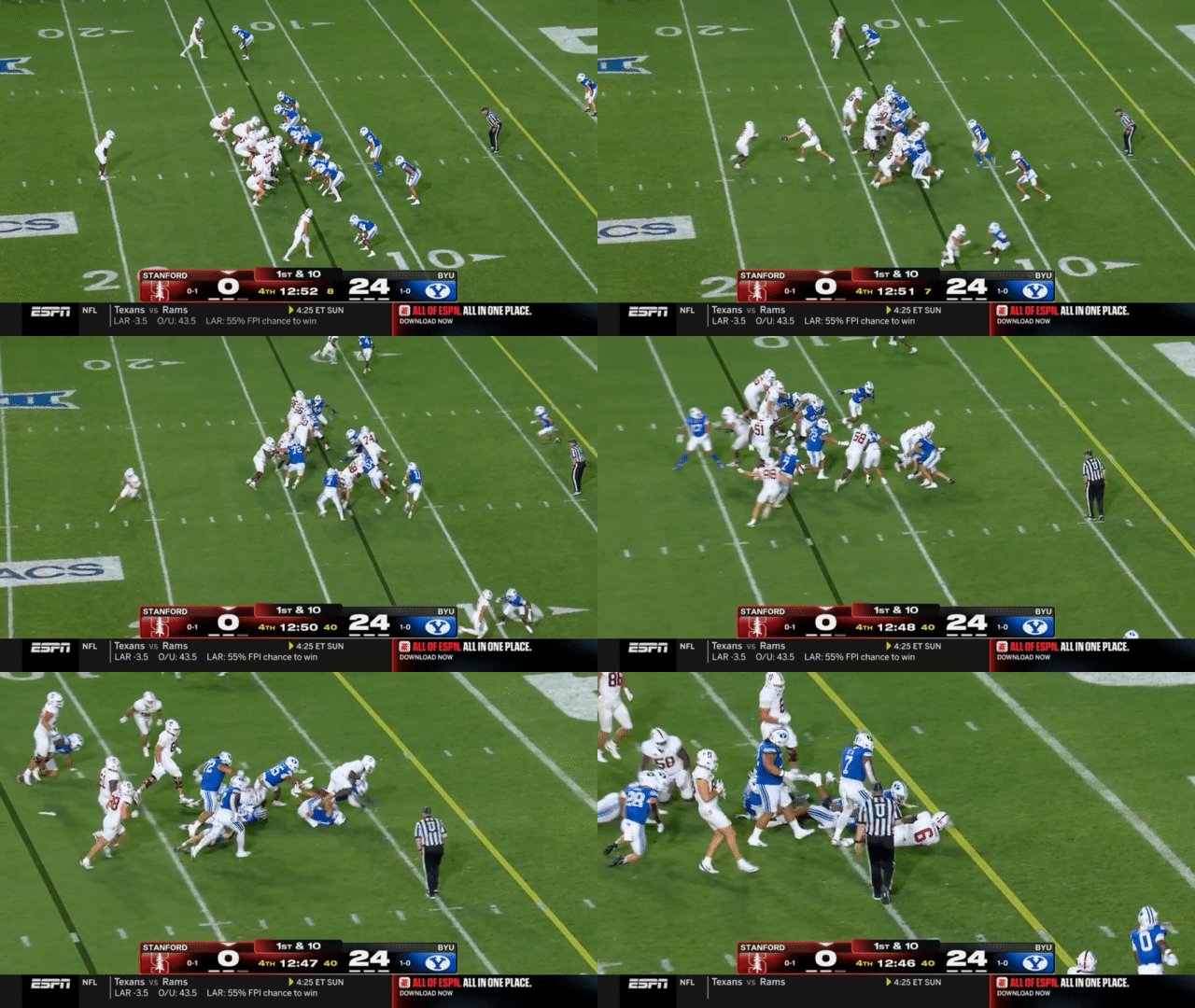
Stanford is a team that has an offensive line. PFF grades rank Stanford as the 114th ranked team (out of 136 FBS teams) in run blocking and the 128th ranked team in pass blocking. It can be surmised then, with a ranking near the top 100, that run blocking is thus a relative strength of this Stanford team. Here we can see an example of Stanford run blocking:
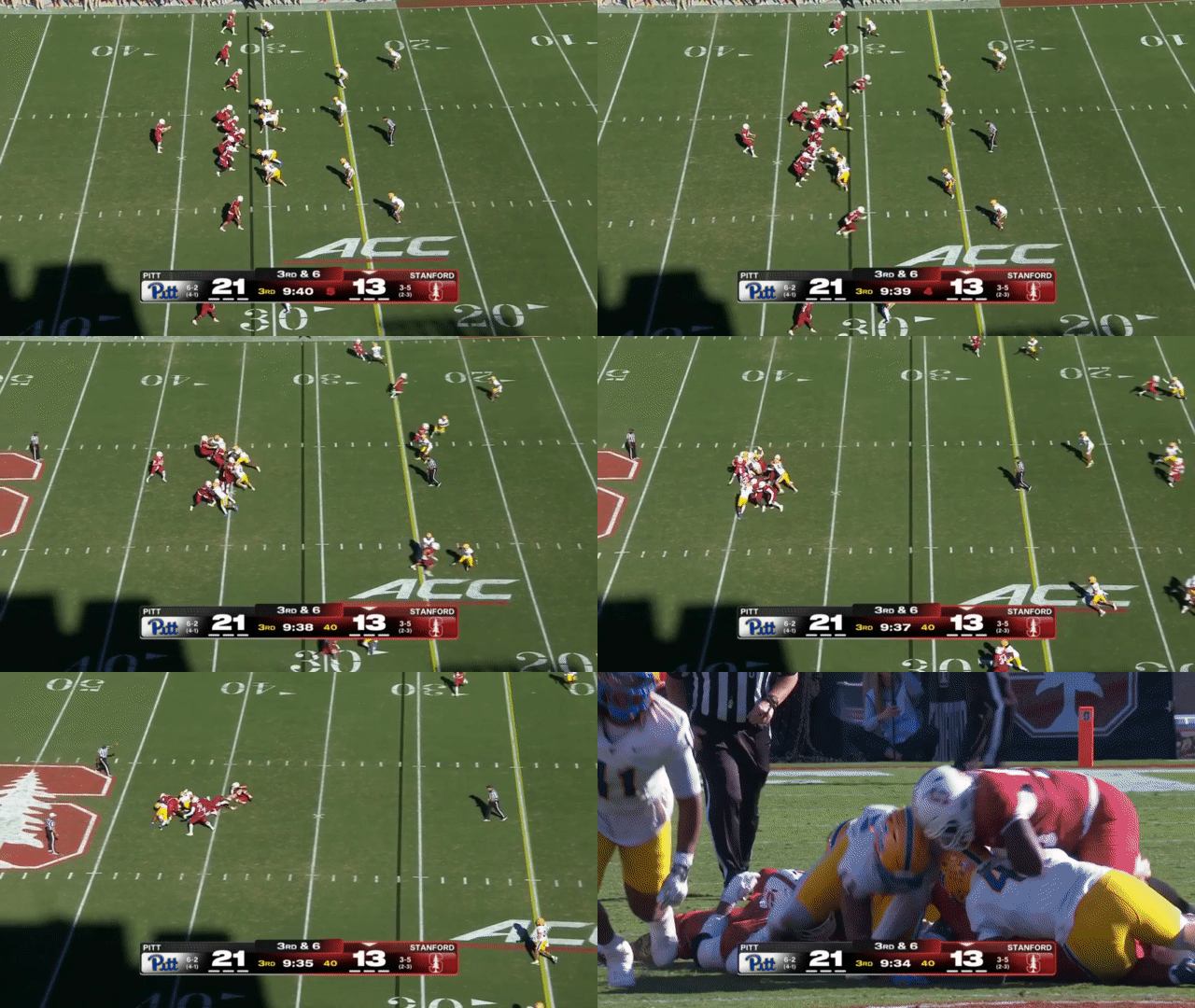
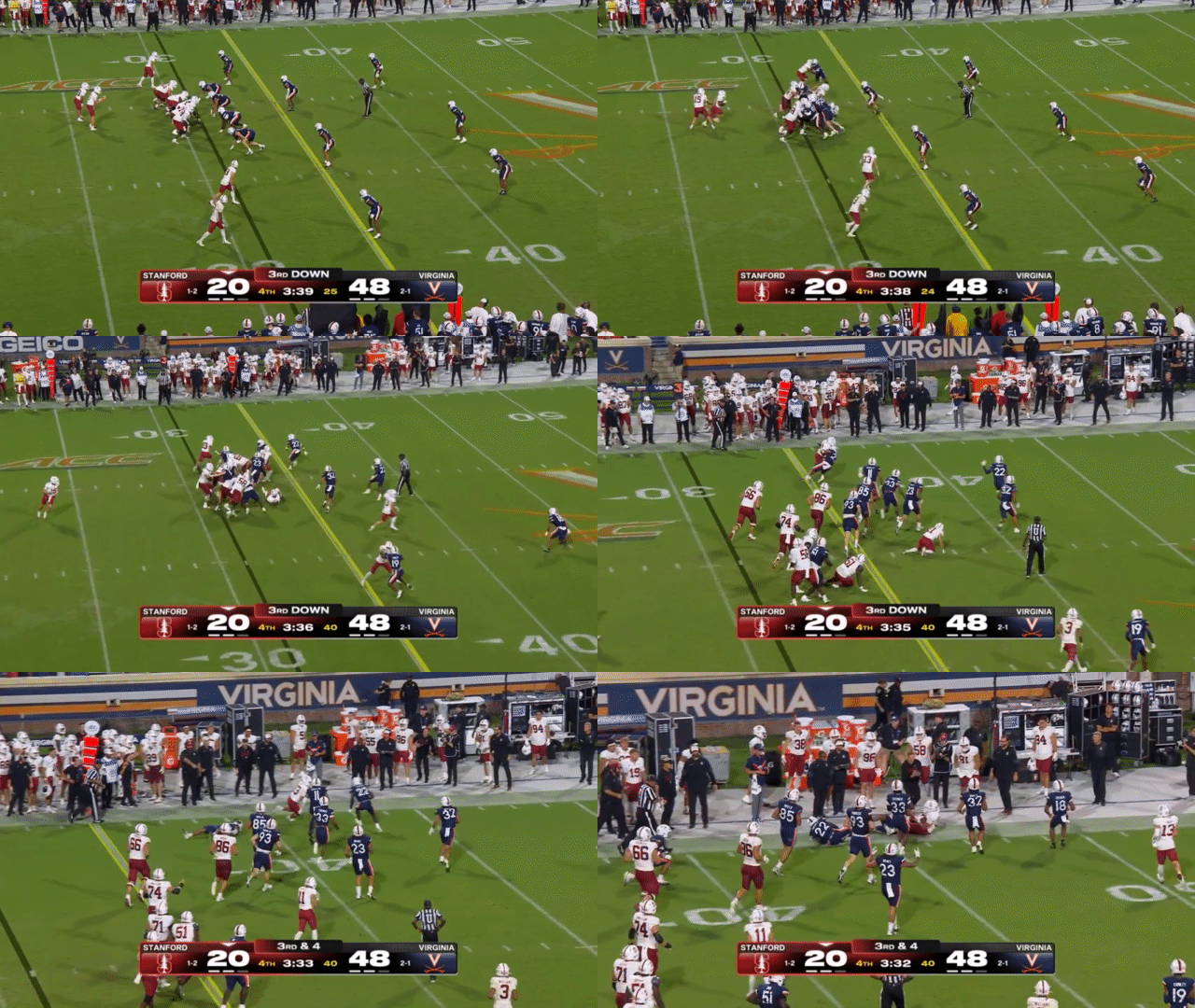
Passing blocking, on the other hand, is not much better. Here, a couple of Stanford offensive linemen manage not to land on their back when facing the pass rush:
Stanford is currently starting two true freshmen on the offensive line, which is usually a thing you do when things are going well, as can be seen from the clips above.
Quarterback
Leading Stanford at quarterback is the highly prized freshman recruit Bear Bachmeier, who enrolled at Stanford on January 6, 2025 (an anniversary of no particular significance to Stanford grads), and… oh wait, sorry, he and his brother left Stanford after Troy Taylor was fired, and they instead transferred to BYU. Well, luckily for Stanford, the freshman QB Bear Bachmeier hasn’t made much of an impact there, as he’s only managed to lead BYU to a 9-1 record and #11 ranking in the College Football Playoff rankings.
Last year’s quarterback duo of Ashton Daniels and Justin Lamson have transferred out, with Ashton Daniels now finding success at Auburn (he had a big game two weeks ago in an OT loss to #16 Vanderbilt), and Justin Lamson leading Montana State to a current #3 ranking in the FCS. Stanford then went into the transfer portal to bring fifth-year senior QB Ben Gulbranson over from Oregon State.
However, Stanford recently made a change at quarterback, starting redshirt freshman (and former 4-star recruit) QB Elijah Brown in their last game against North Carolina. Brown had seen action in prior games due to some Gulbranson injuries, but this recent decision seems to be rooted in performance rather than injury.
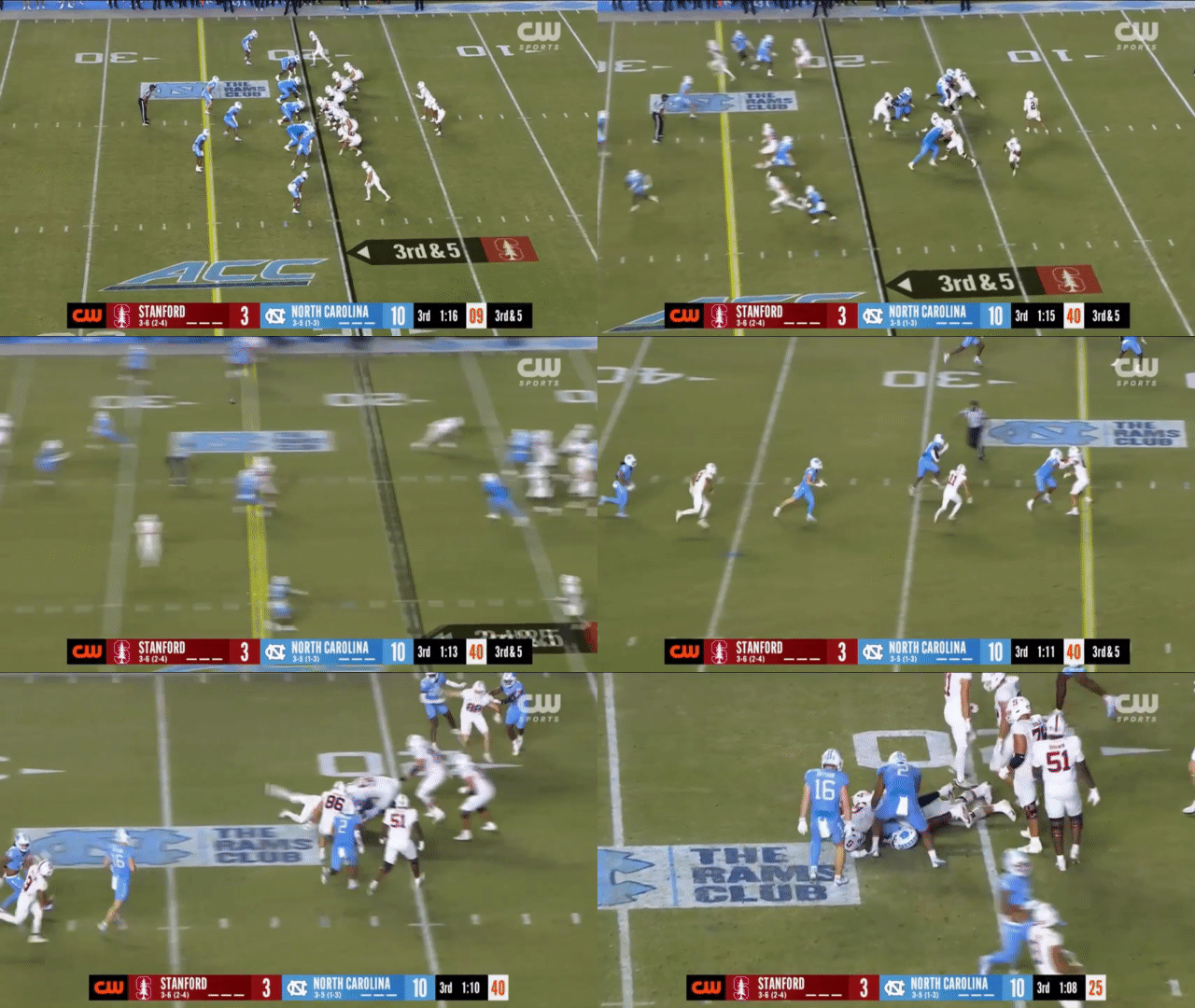
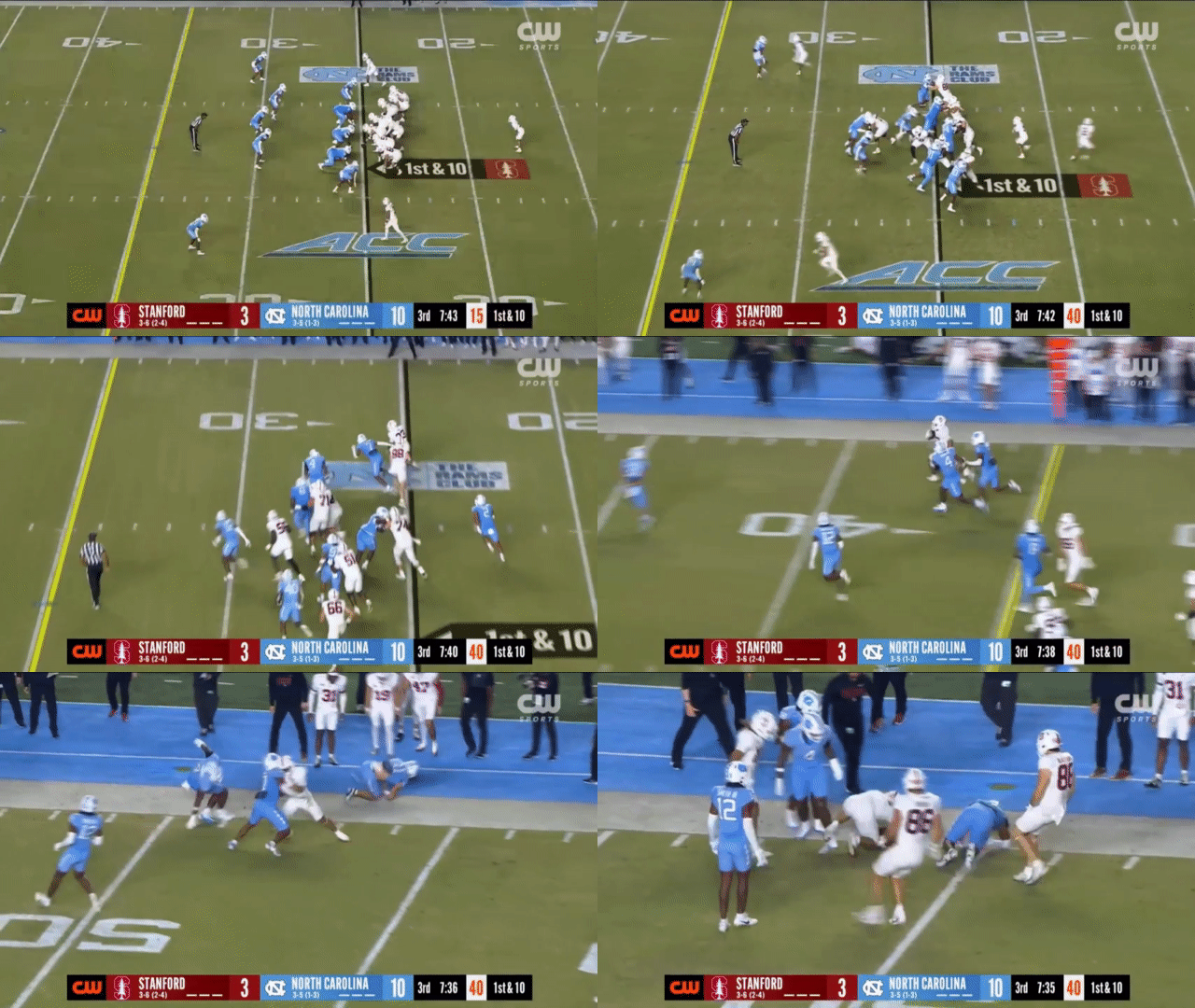
Although I don’t necessarily agree with the PFF grades in the previous section, I like to use them because it makes me sound less biased when I say things like “they bad.” However, I think the bottom-10 pass protection grade is at least partially to blame on the quarterback himself, as neither QB was particularly adept at sensing and avoiding pressure. QB Elijah Brown, for instance, just seemed a bit slow in making his reads, and would sit in the pocket for far longer than his offensive line could hope to block. Brown was sacked 9 times in the UNC game:
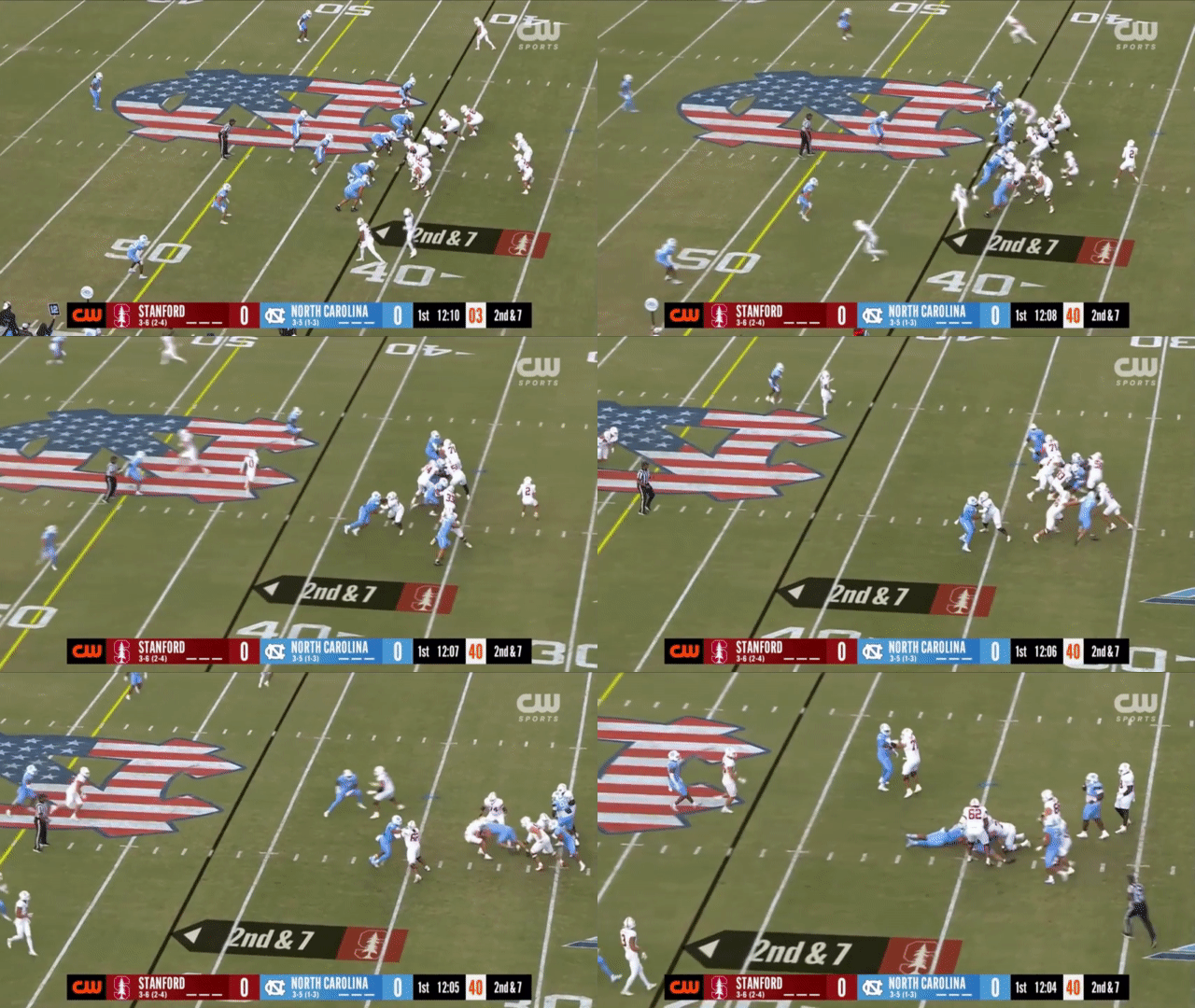
In the clip above, there was even a nice blitz pickup by RB Cole Tabb, who successfully blocked a much bigger linebacker (it’s the left tackle who gets beat here). Brown is just a beat late in realizing the pocket is not going to hold, and he needs to get this ball out faster. You would also think that at some point between sacks 1 and 9, he’d have realized that he doesn’t have the luxury of sitting in the pocket all day. Brown just wasn’t making reads fast enough, and the offense evidently didn’t game plan around having to deal with the ACC’s top rusher, Melkart Abou-Jaoude (who currently leads the ACC with 10 sacks this season)—say, by having more checkdowns or hot routes or literally anything else.
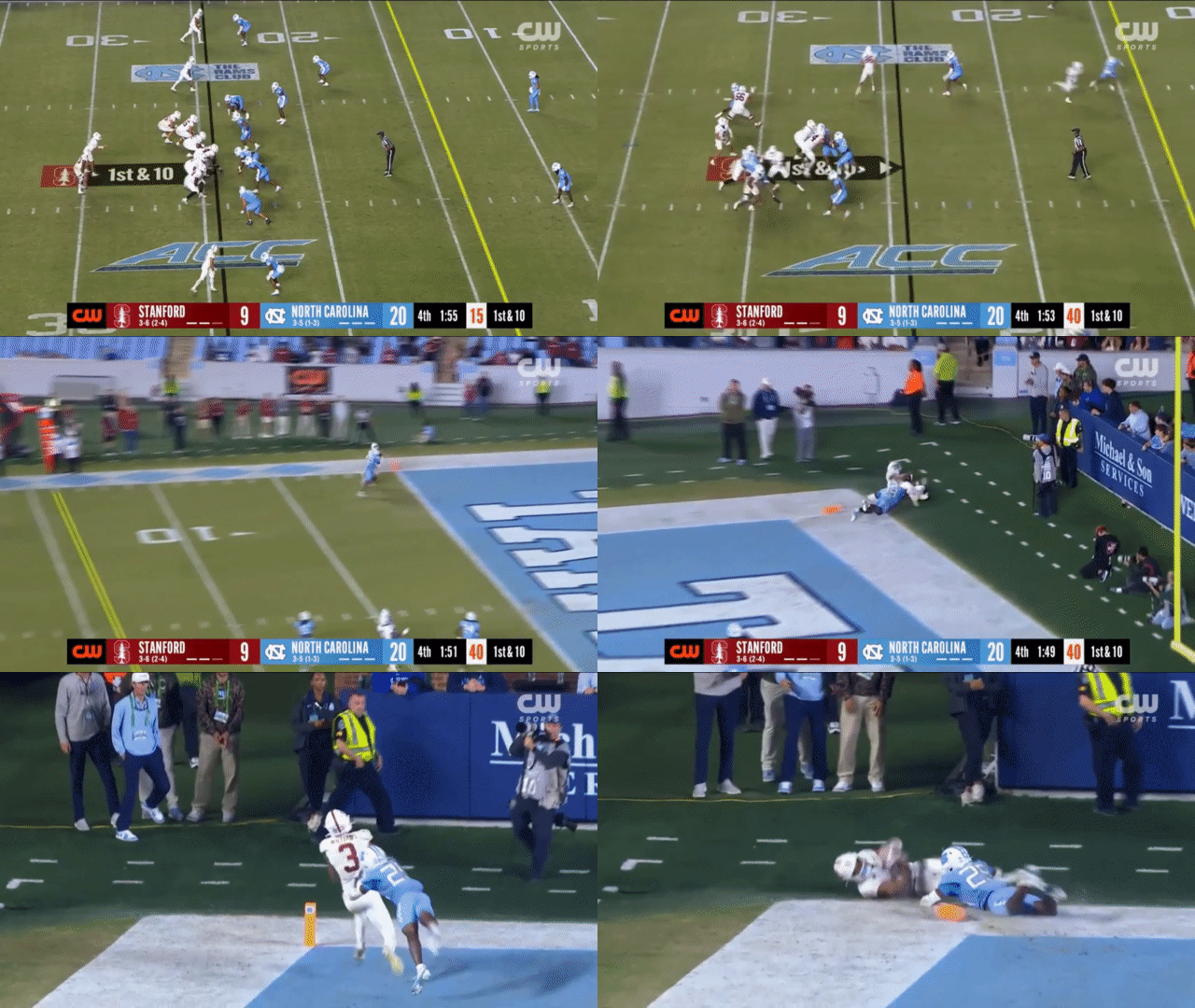
Although Brown doesn’t have the biggest arm, his strength seems to be in anticipation and ball placement. Here Brown drops in a nice throw:
And here he zips it into a tight window (he showed a bit more fearlessness down two scores in the waning minutes):
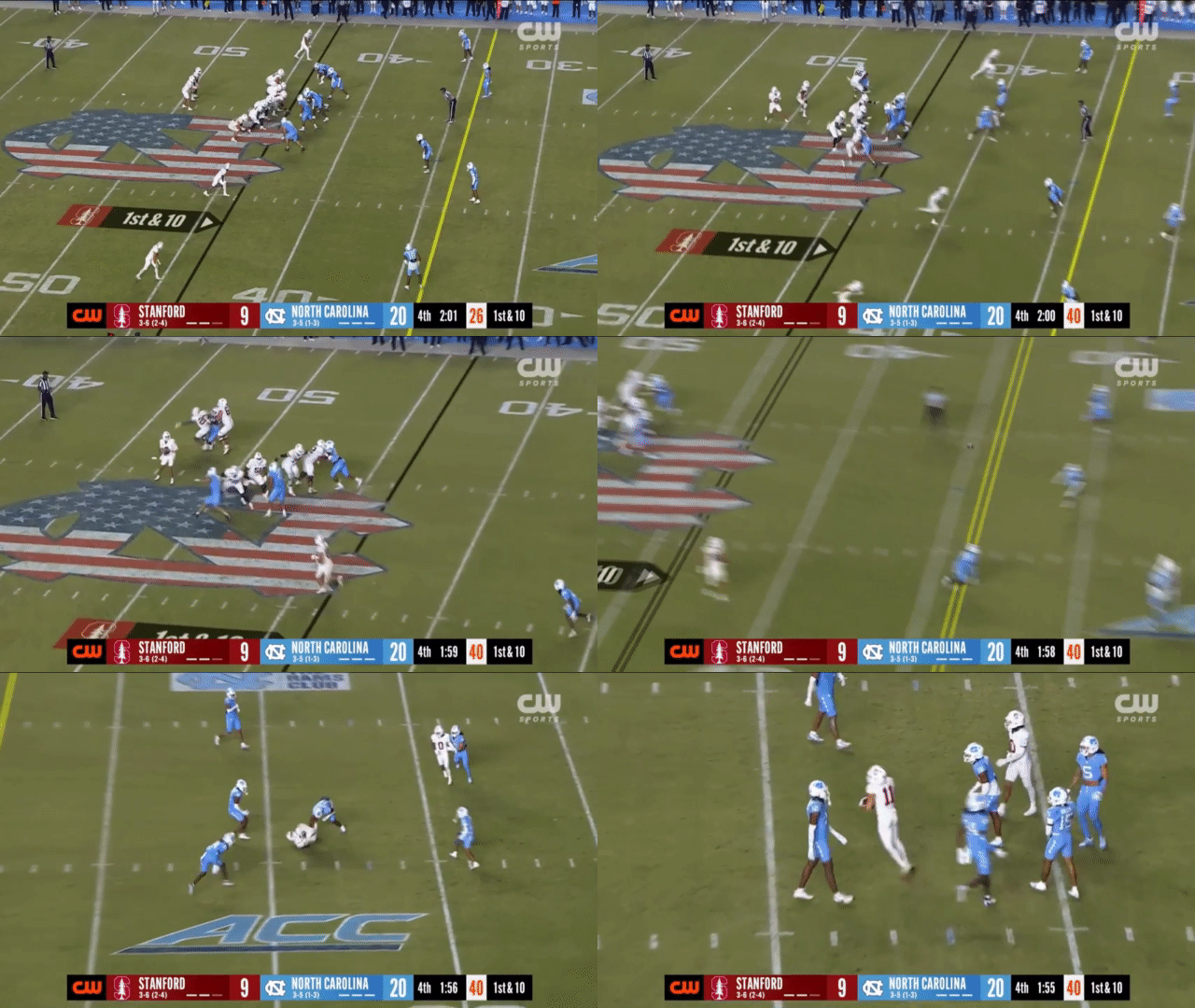
And again, another throw with great placement (also late in the 4th quarter, long after it matters):
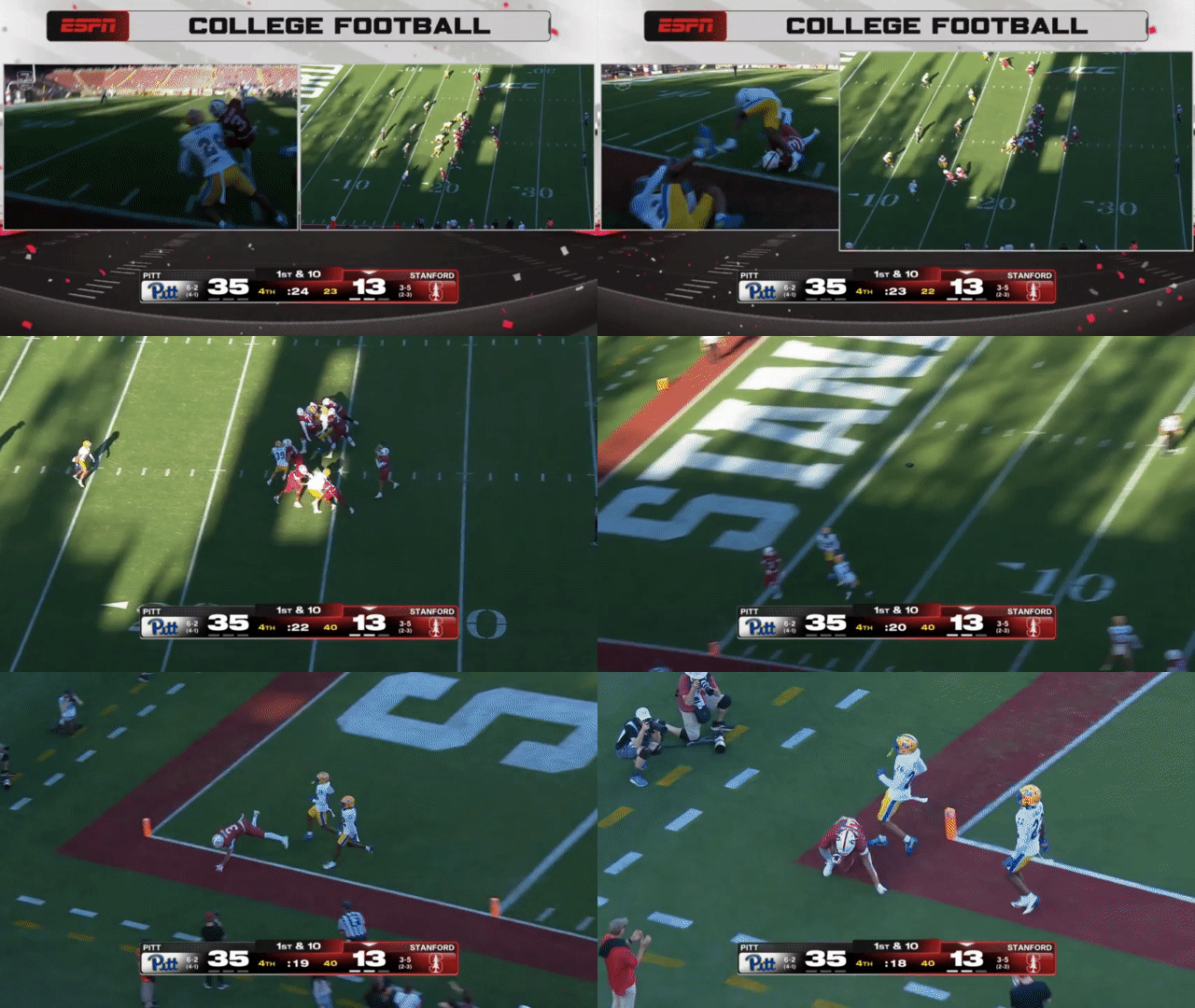
Brown is not the type of quarterback to be able to muscle a throw with all arm strength, throwing on the run or off-platform:
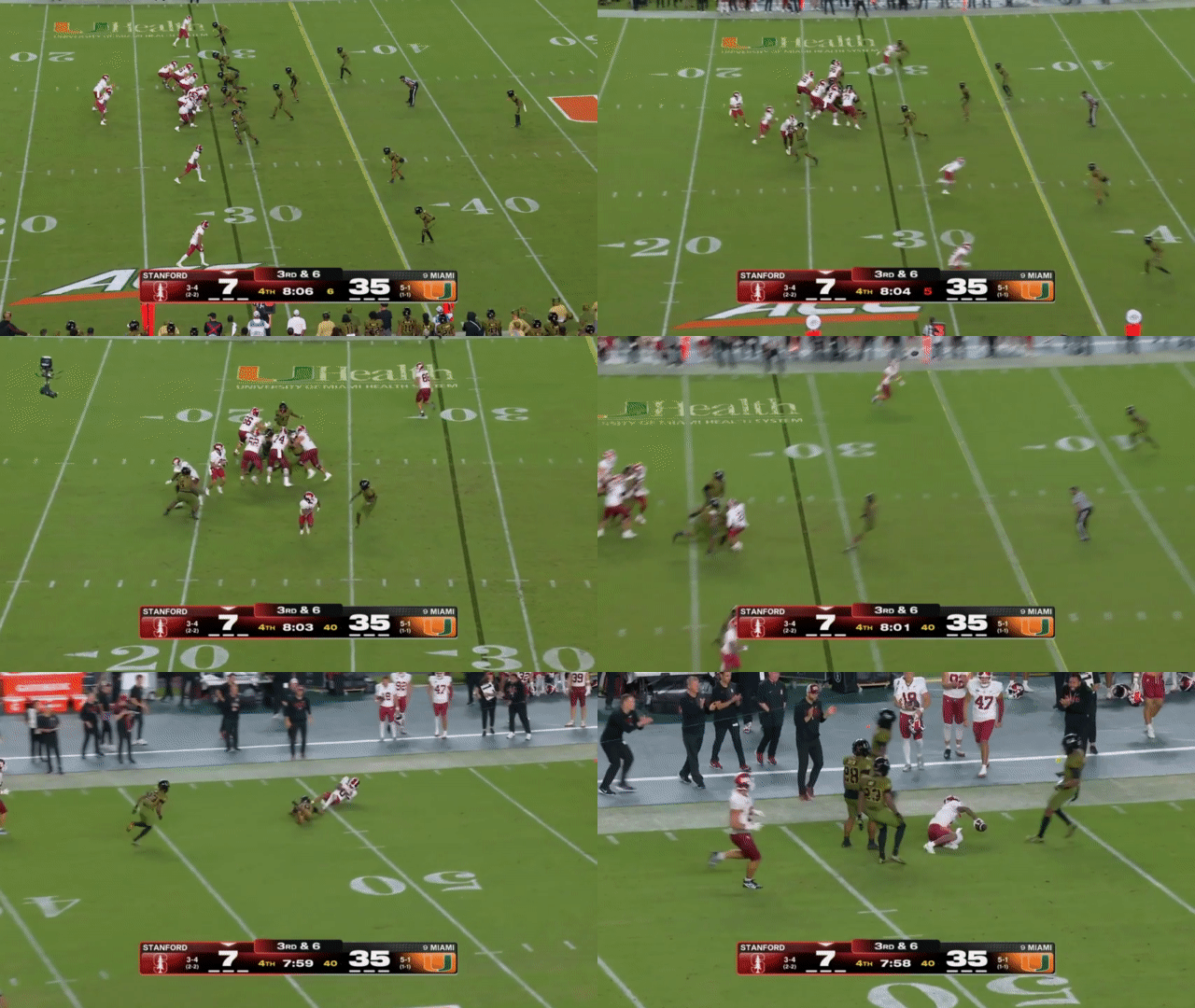
Not surprising for a freshman quarterback, but he was affected by pressure, and his accuracy suffered:
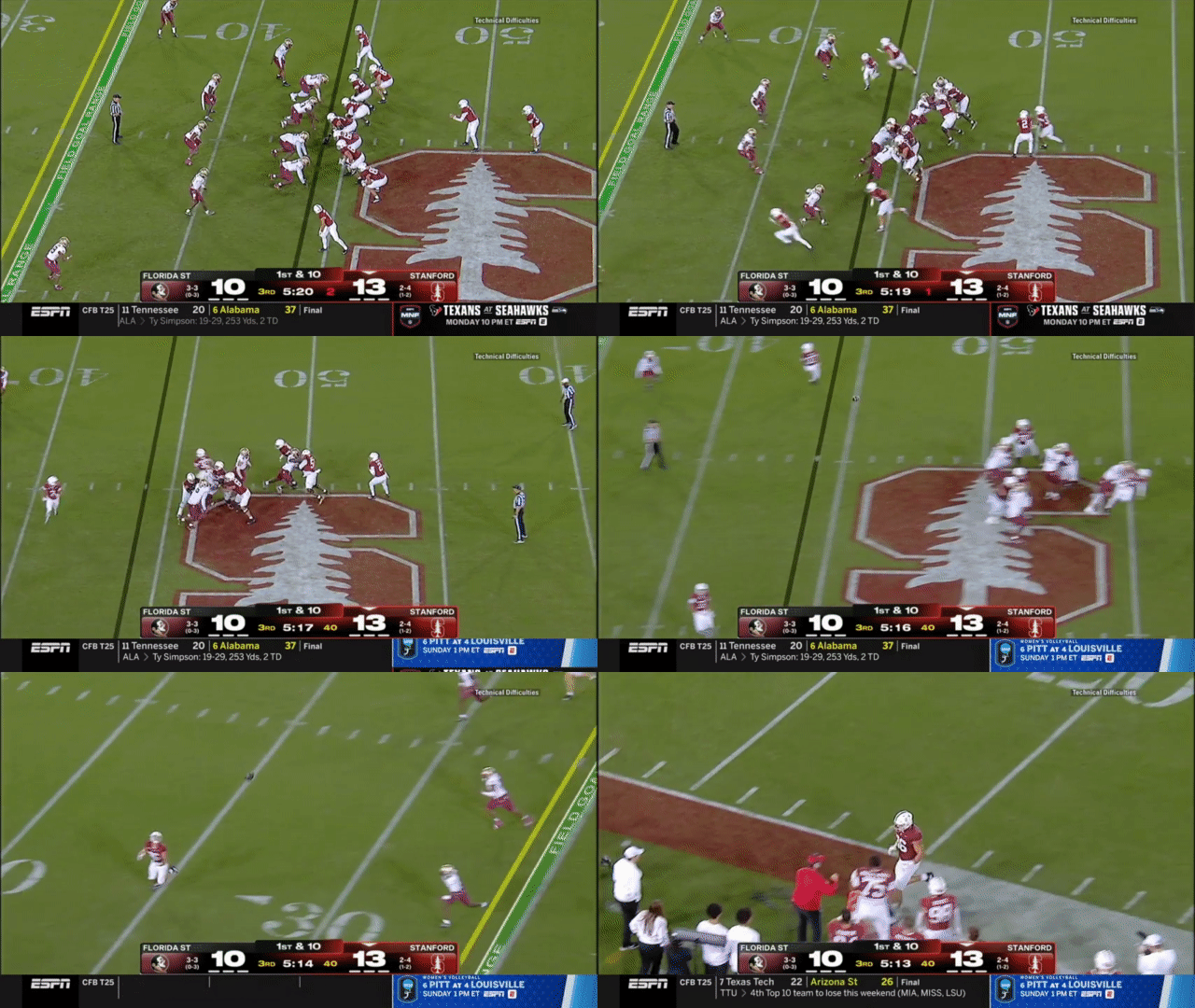
This should be an easy throw, but he doesn’t give his receiver a chance as he throws it into the dirt (sorry about the screen glitches, they were a part of the ESPN broadcast):
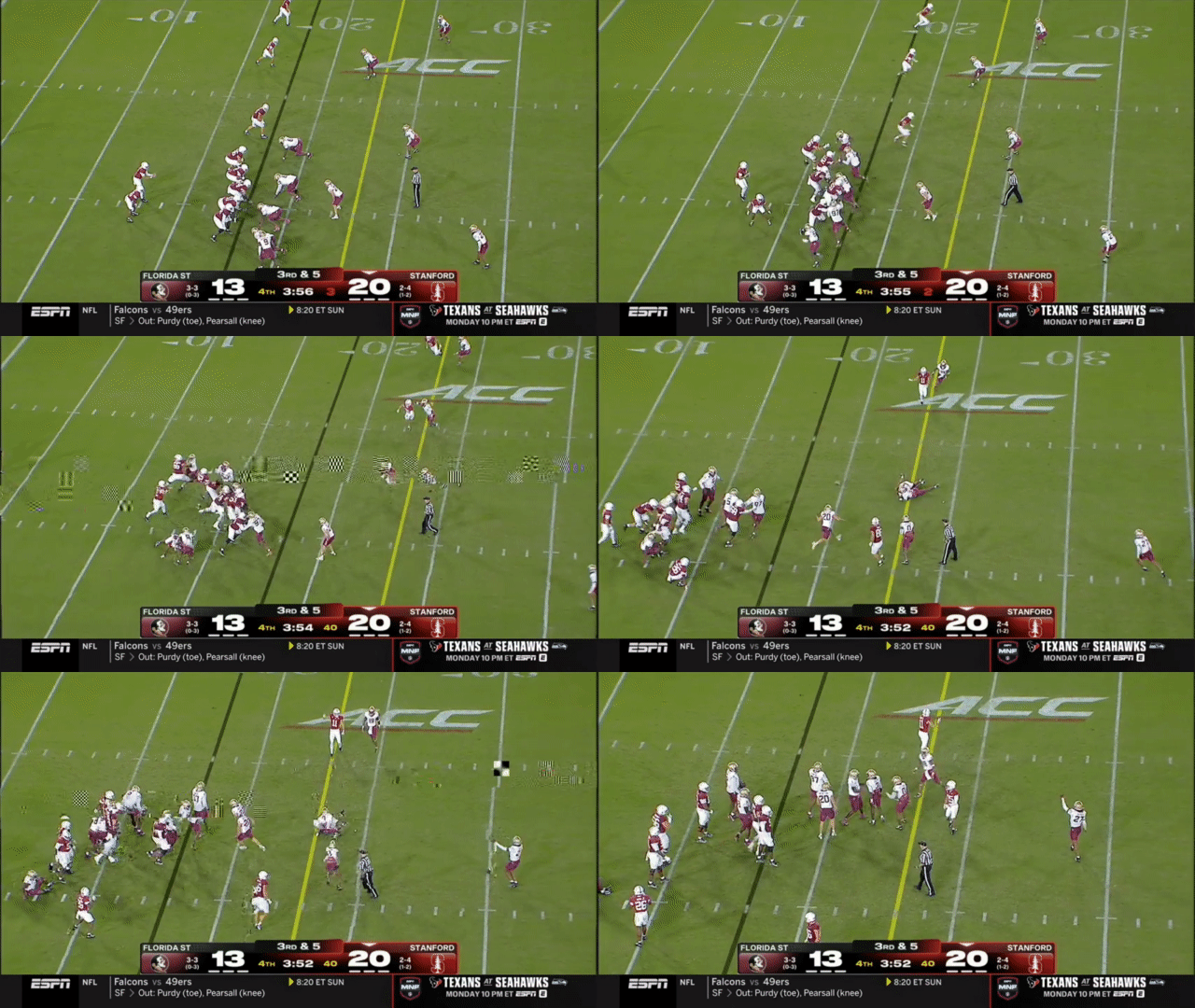
Brown hasn’t yet showed the ability to routinely go through his progressions, and is generally throwing to his first or second read (and staring his receiver down the whole way). Here he doesn’t see the linebacker drifting into his passing lane:
But what happens when the Cal defense confuses and befuddles the green quarterback, and he throws 3 interceptions in the first half? Look for Stanford to make a change at quarterback to the more experienced Ben Gulbranson. I was actually higher on Ben Gulbranson than most—a certain notorious commenter used to ask my Pac-12 quarterback rankings each week, and I remember having a lot more respect for Gulbranson during his time at Oregon State than most. However, in transferring to Stanford, he has thus proven me wrong, and I guess my talent evaluations are not infallible.
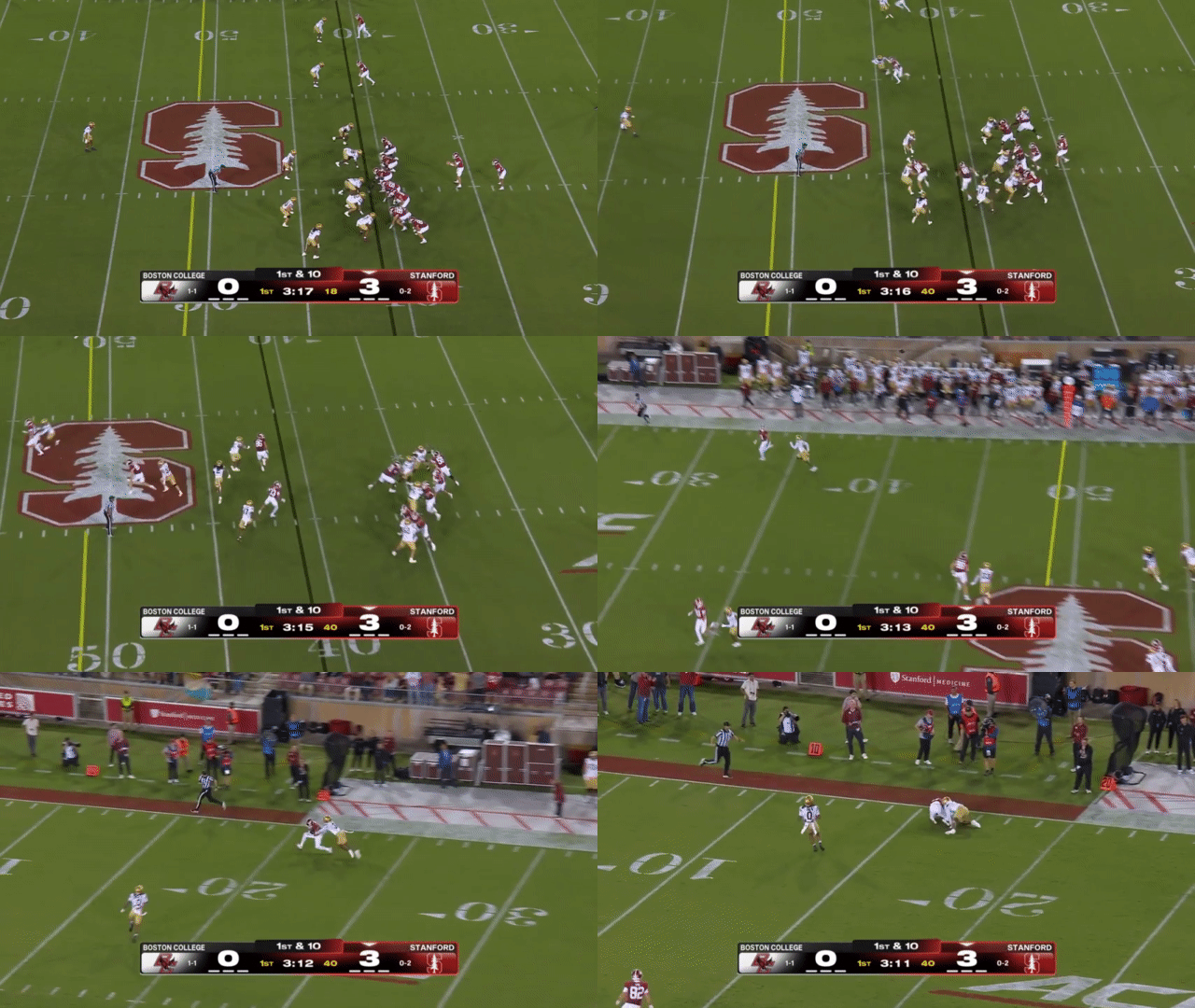
To be fair, Gulbranson did have plenty of good games at Oregon State (like embarrassing Florida in the Las Vegas Bowl), but he seems to have taken a step back at Stanford this year, despite a fairly similar situation; i.e. a game manager QB for a team that should be run-heavy, but can take occasional shots downfield to keep defenses honest:
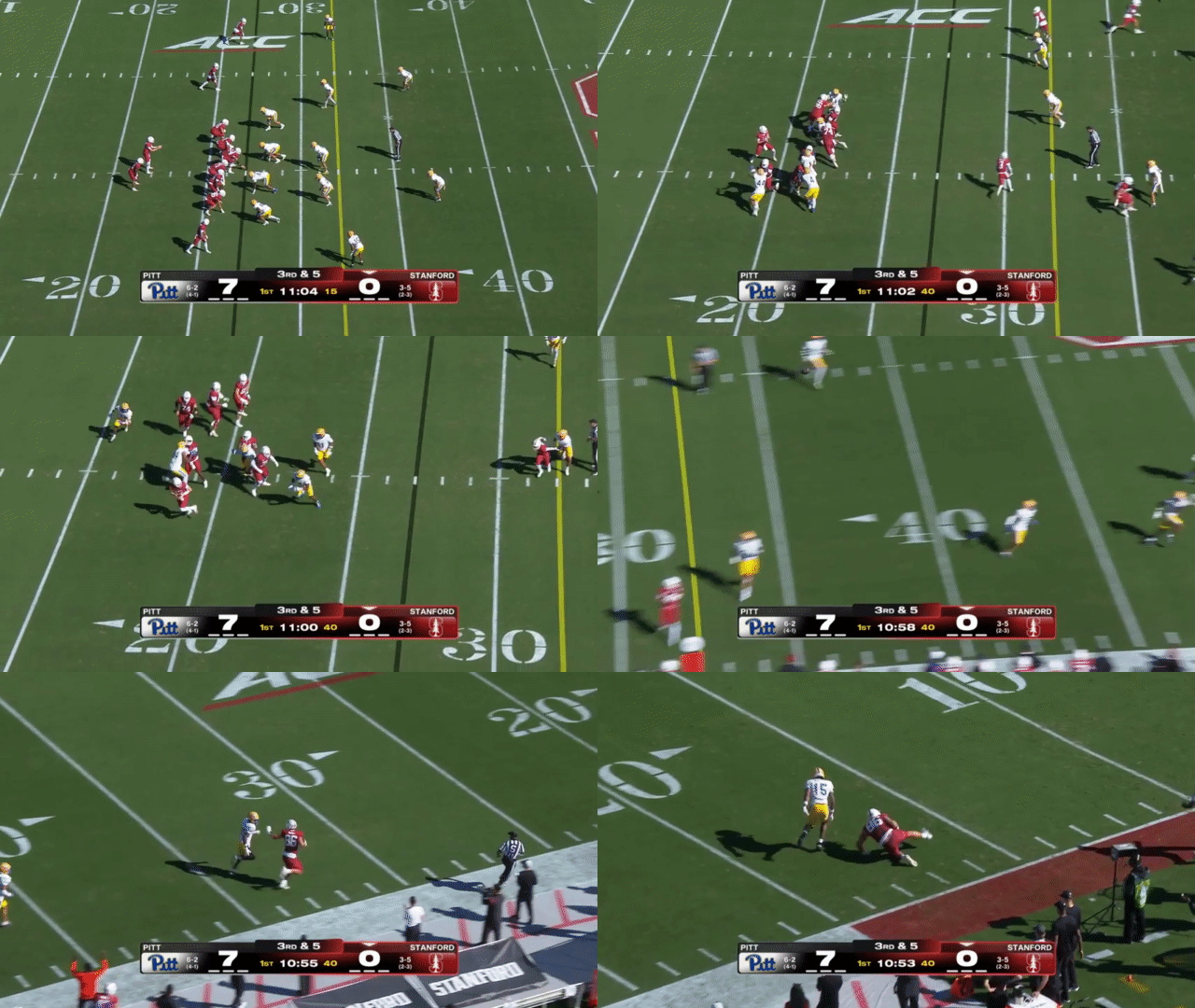
Stanford’s gameplan often seemed to rely on first establishing a strong run game (something they have not reliably done this season), so that they could then build on top of that:
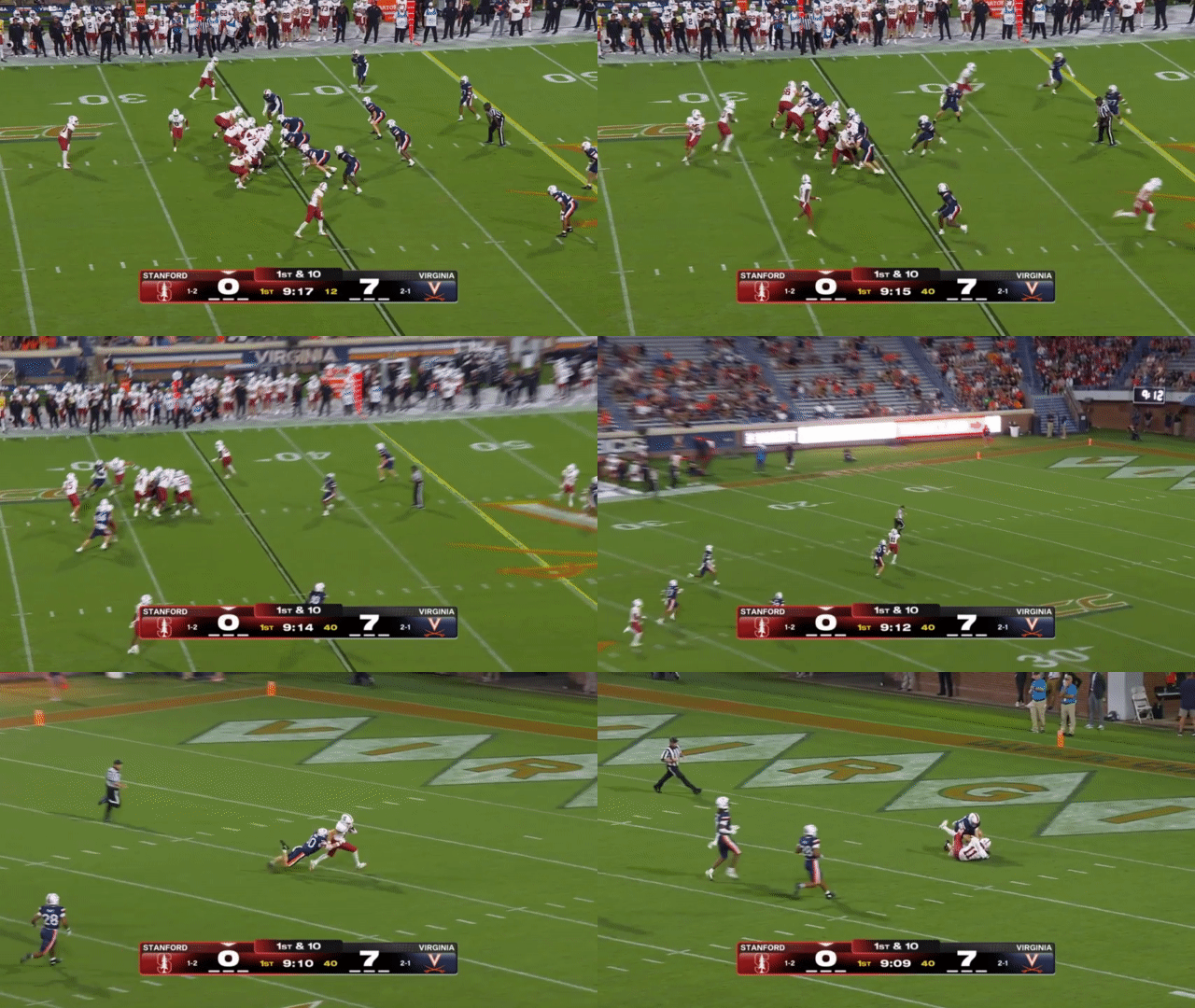
Isolating receivers in man coverage and hitting them deep down the sidelines was Gulbranson’s bread and butter play:
Gulbranson generally had good placement on his throws when given a clean pocket:
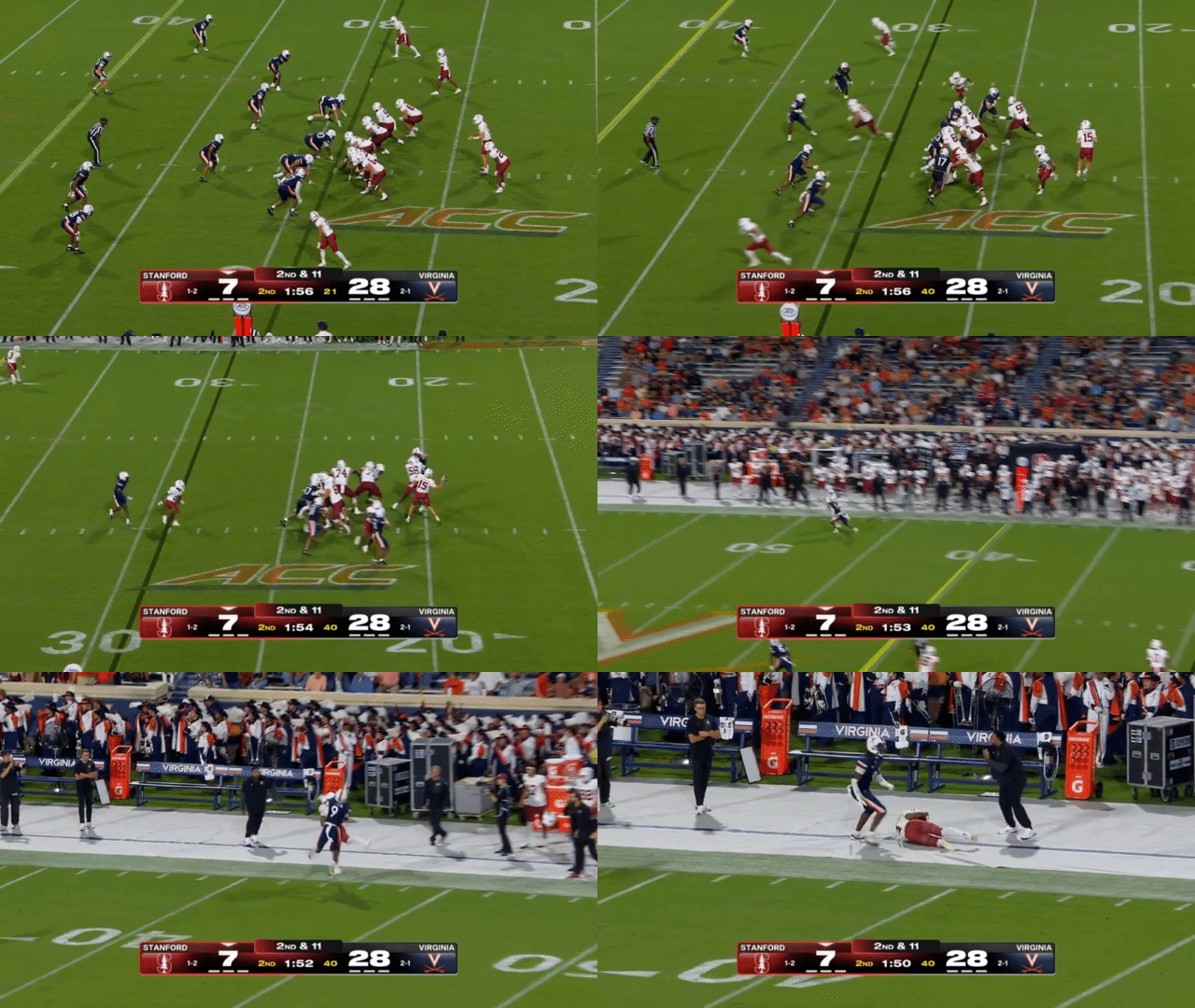
And another impressive throw:
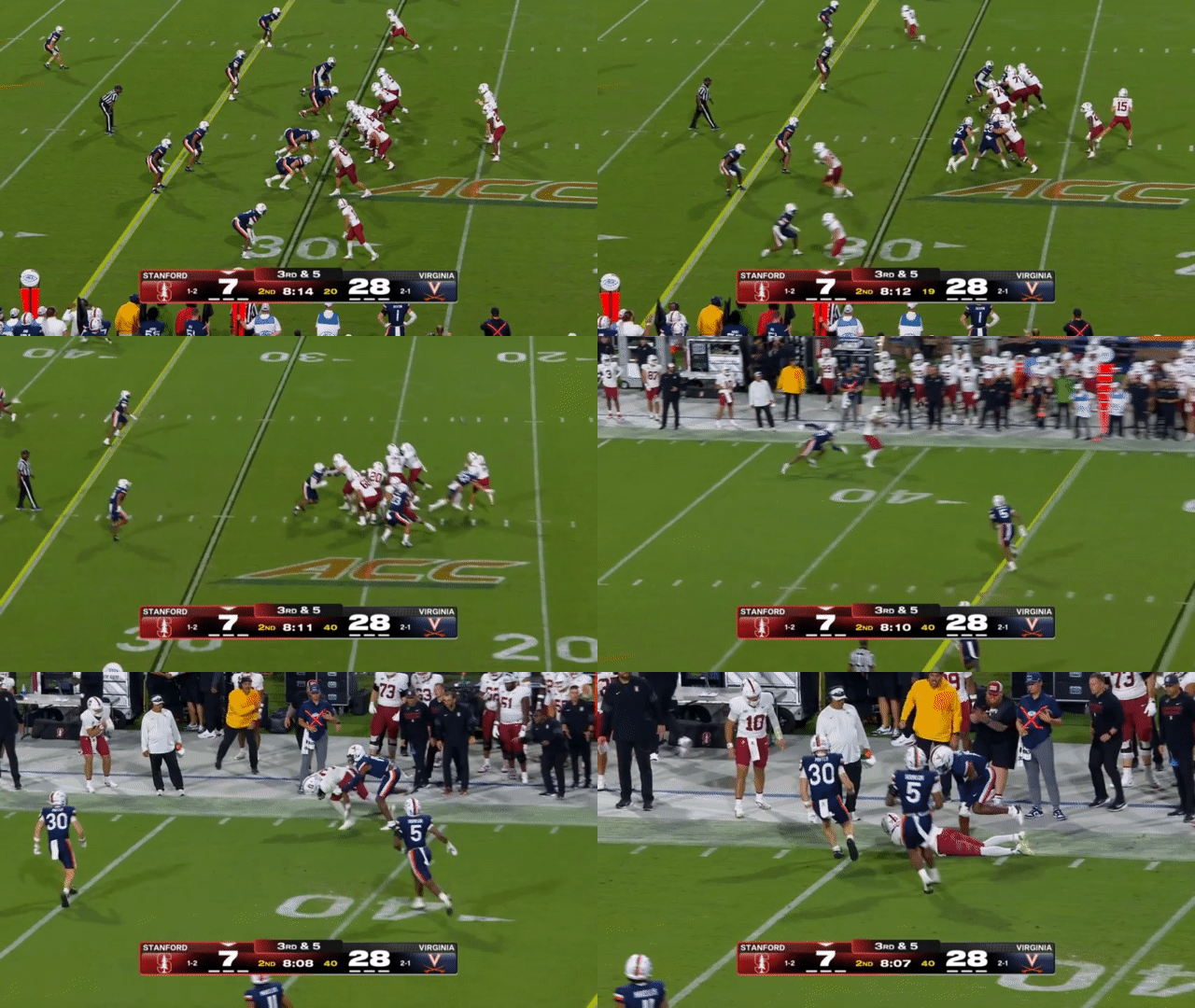
One of Gulbranson’s biggest weaknesses this season was his inability to sense pressure from his blindside (adjust protection schemes, etc) and he was often blown up for big sacks on plays like the following. However, perhaps not sensing this pressure is why the throw was unaffected:
However, Gulbranson’s ball placement hasn’t been all rainbows and butterflies this season:
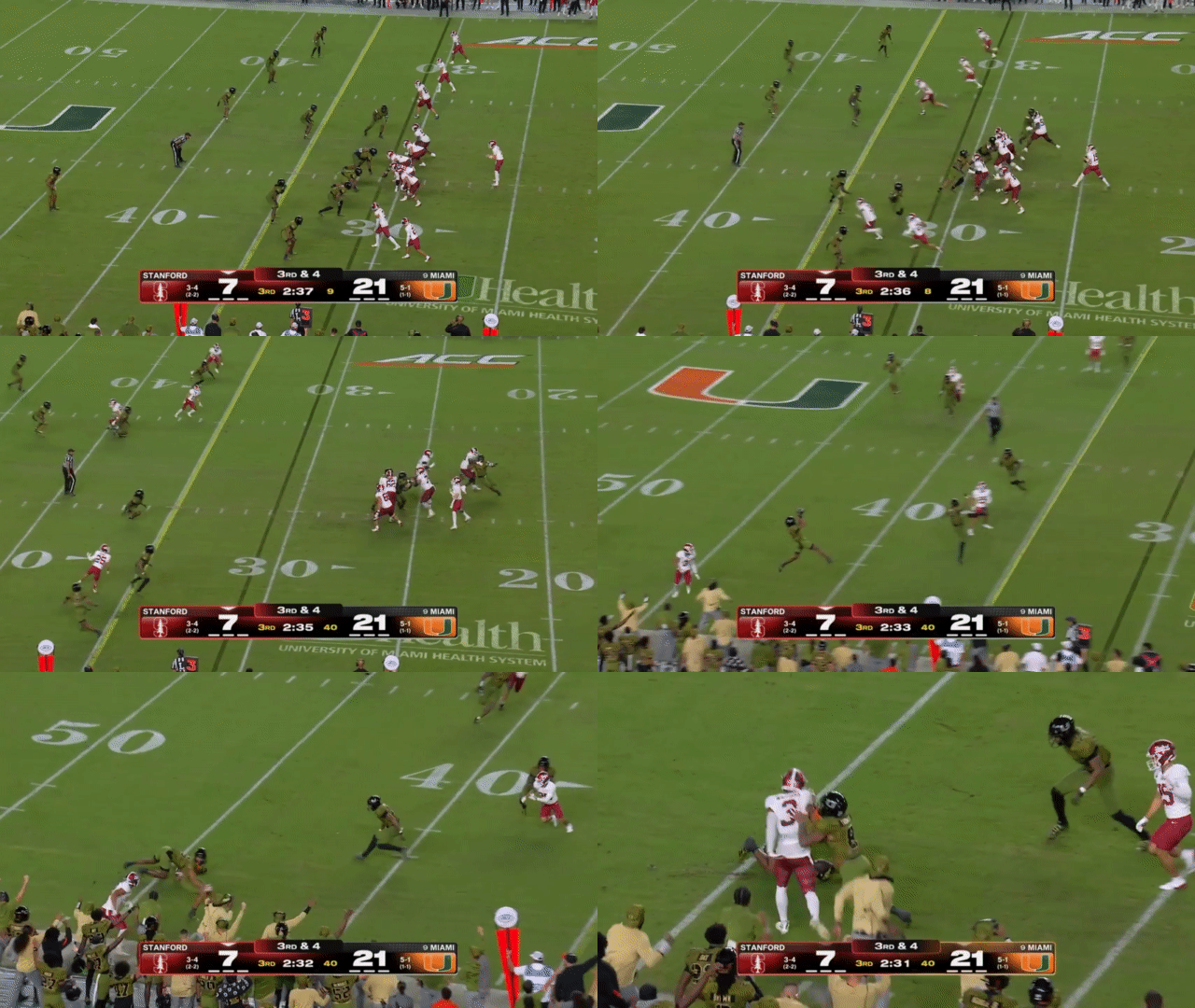
Gulbranson also struggled as teams took away his deep shots down the sideline (e.g. safety help), and in particular, often underthrew the deep ball into double coverage:
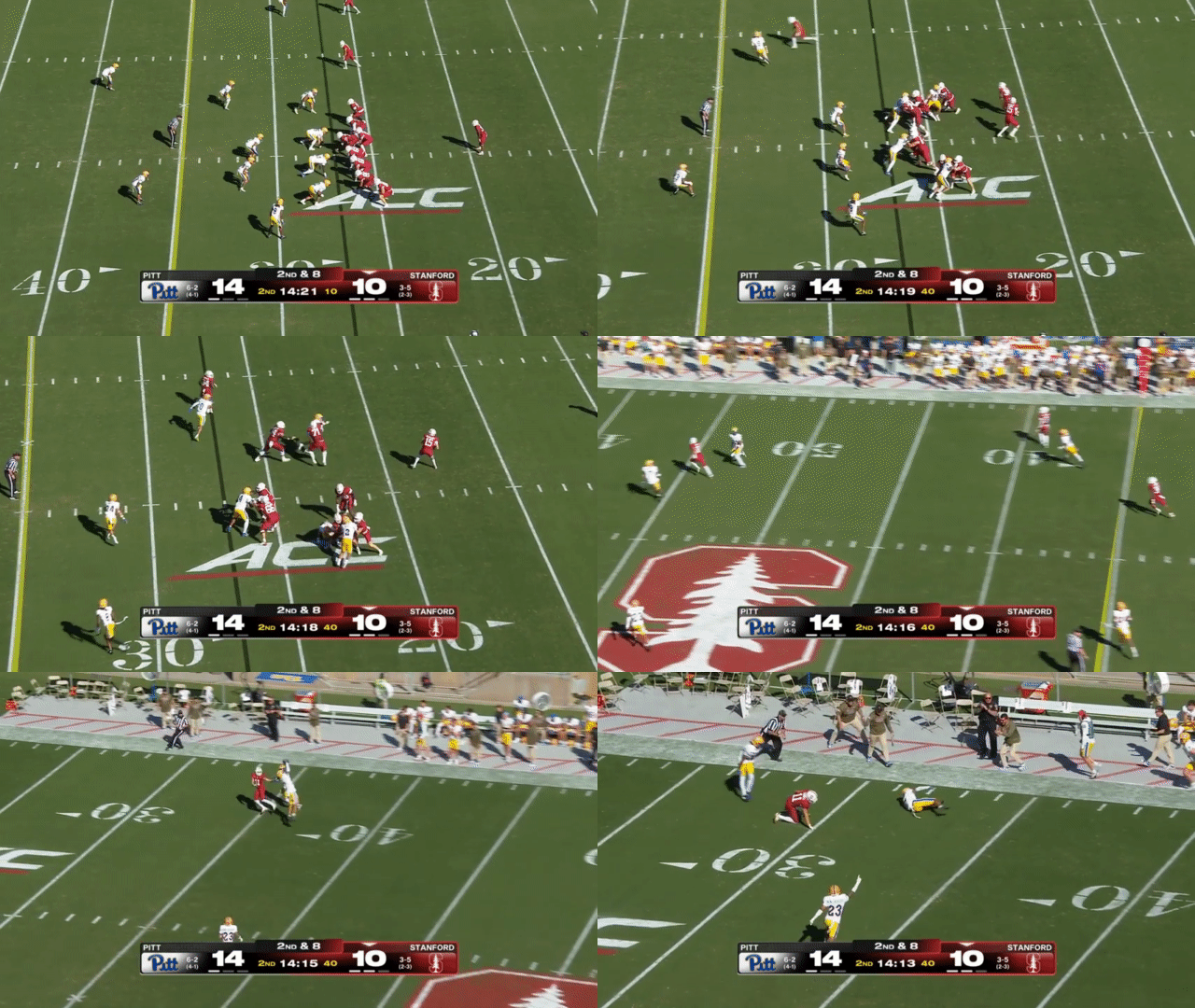
Another underthrow just a bit later:
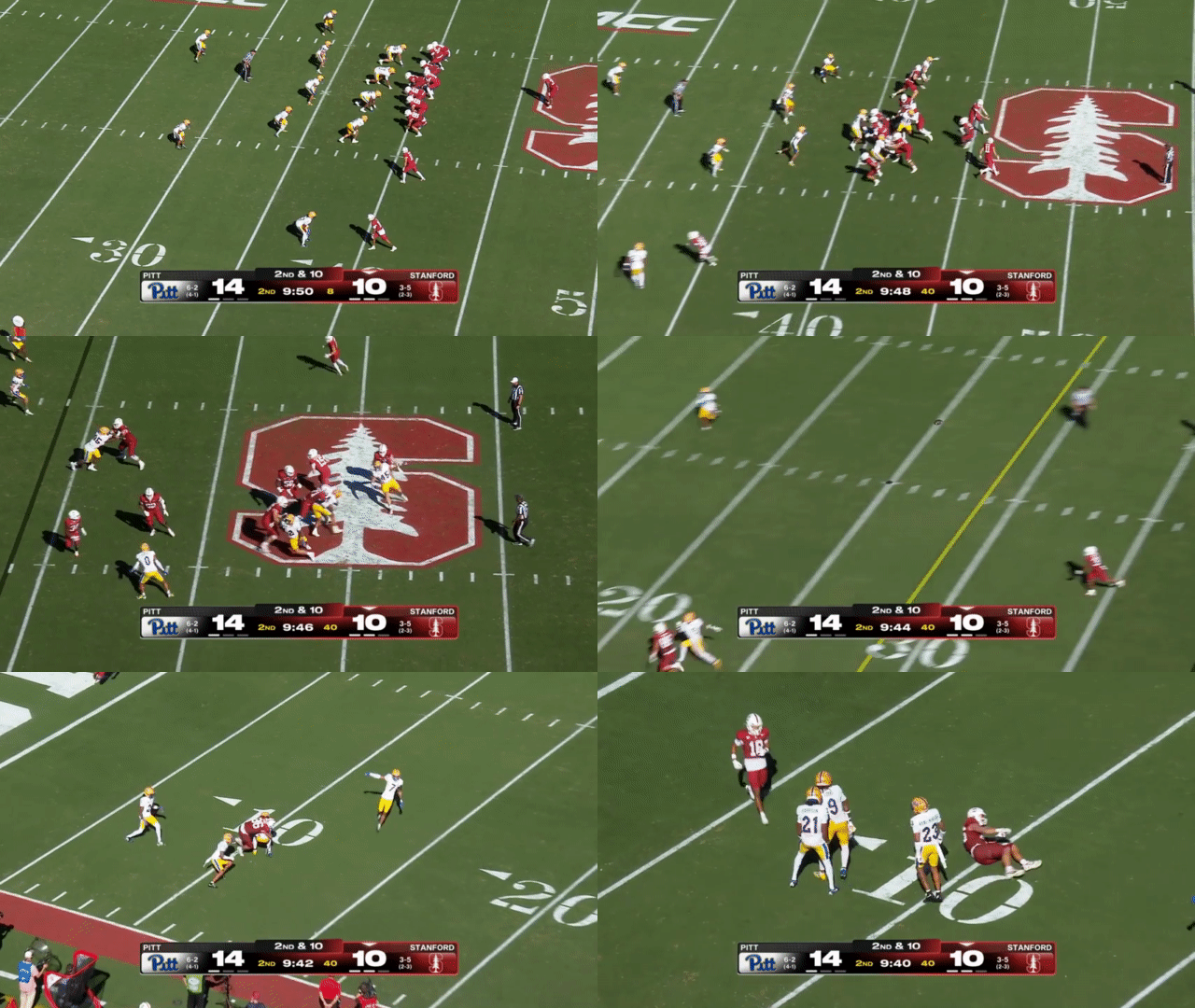
Not sure if this is an underthrow or off-target or just not on the same page as his receiver, but this one isn’t close:
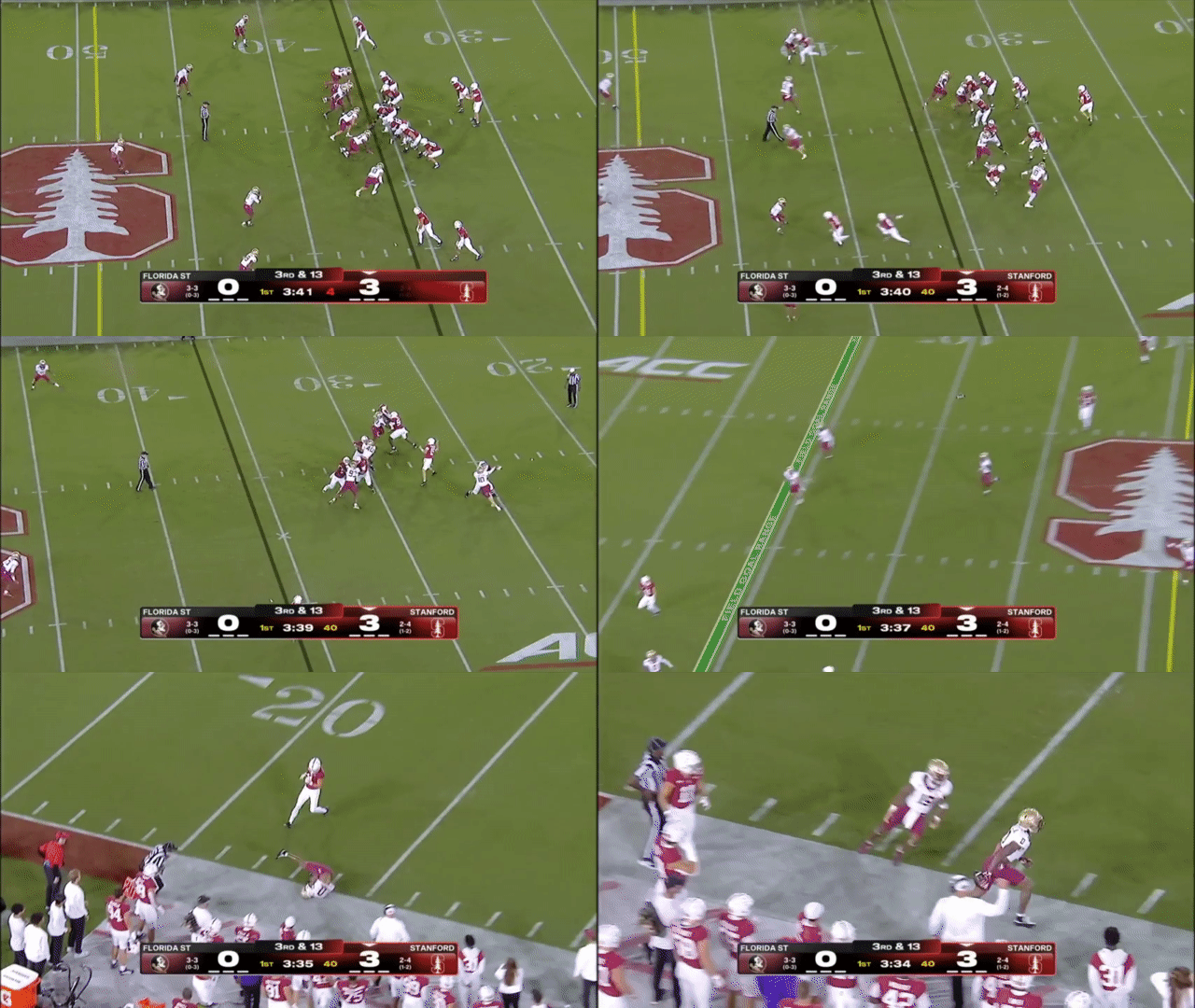
For a fifth year senior, Gulbranson also found himself in trouble misreading coverages and making some poor decisions:
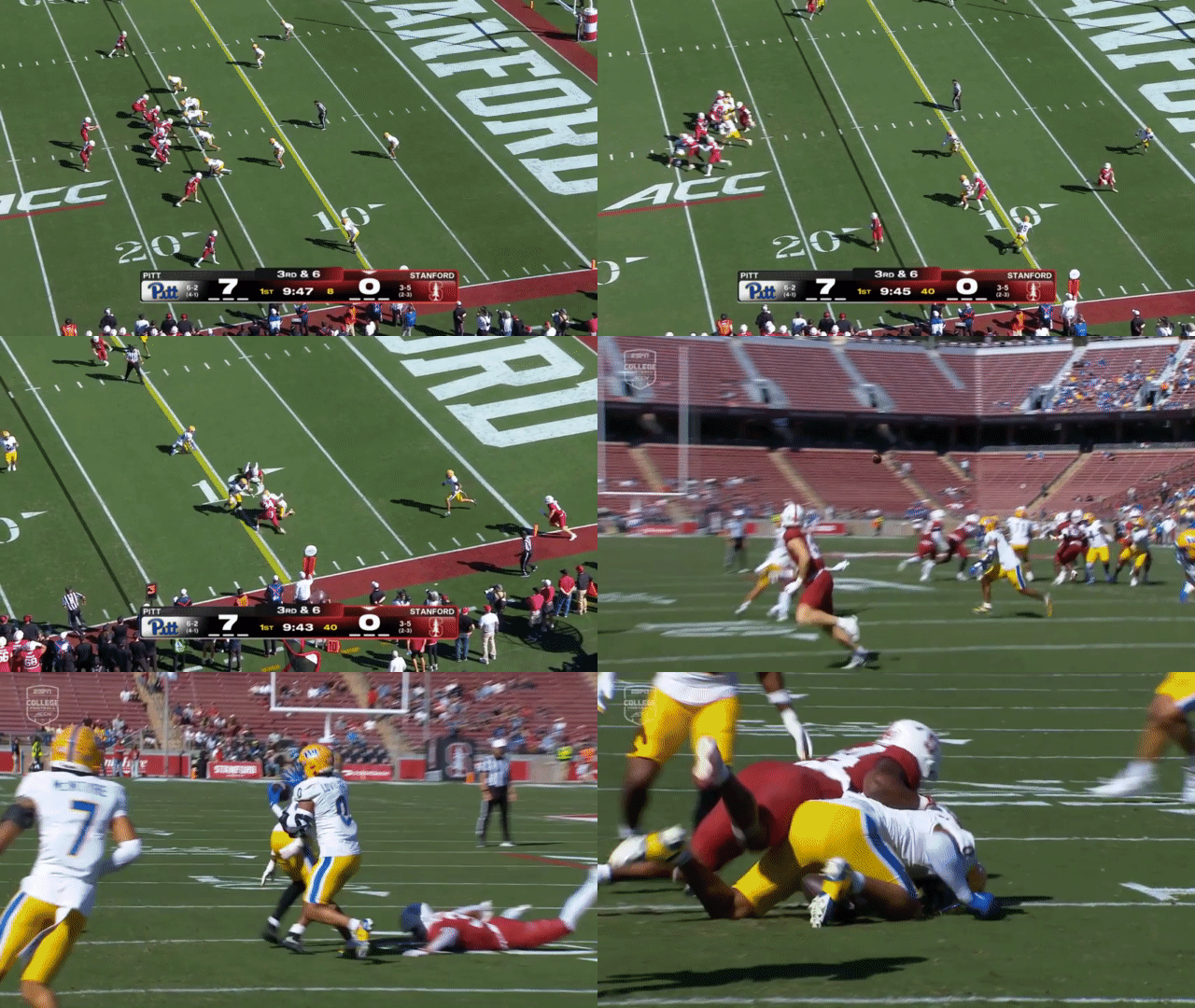
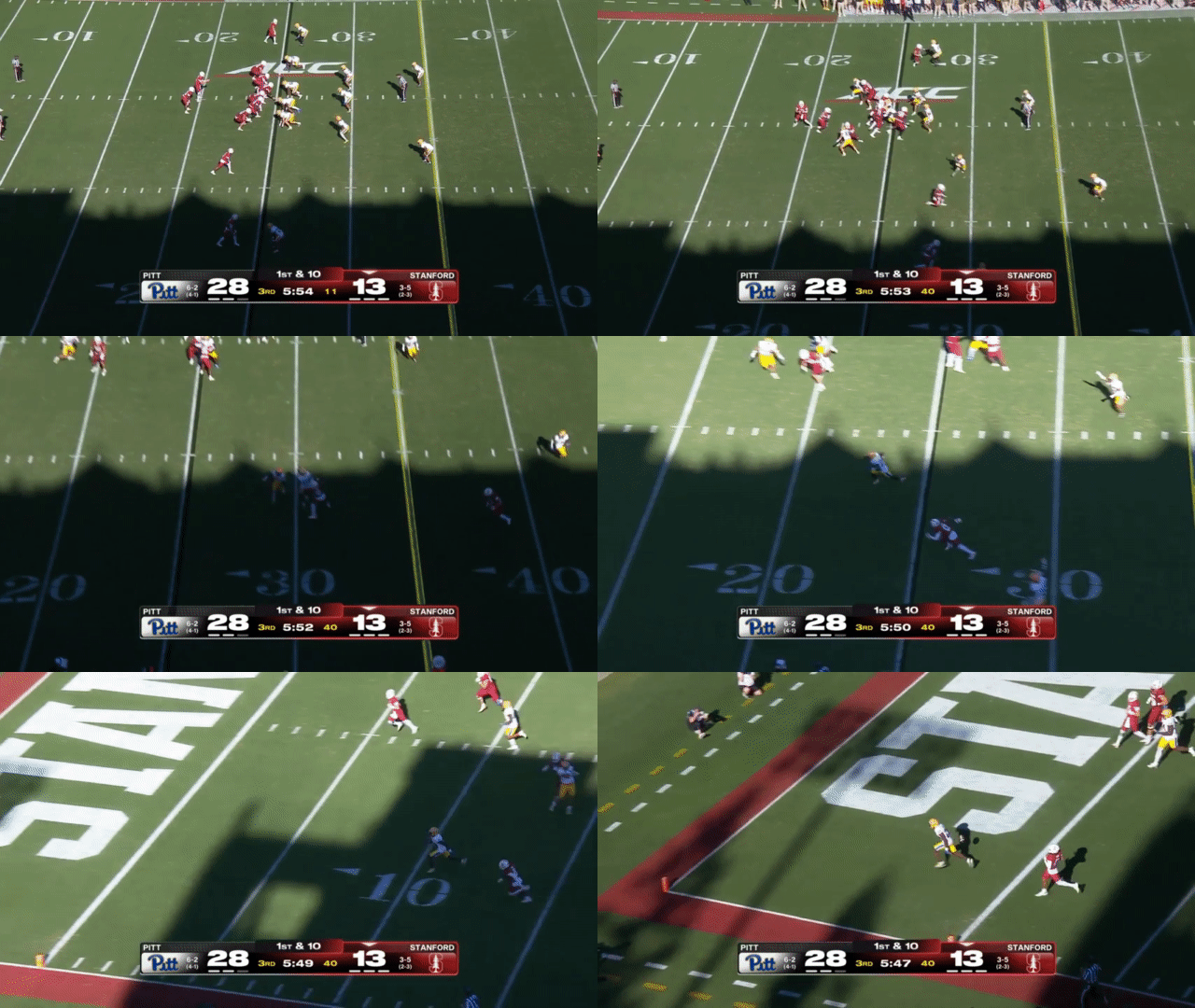
And again:
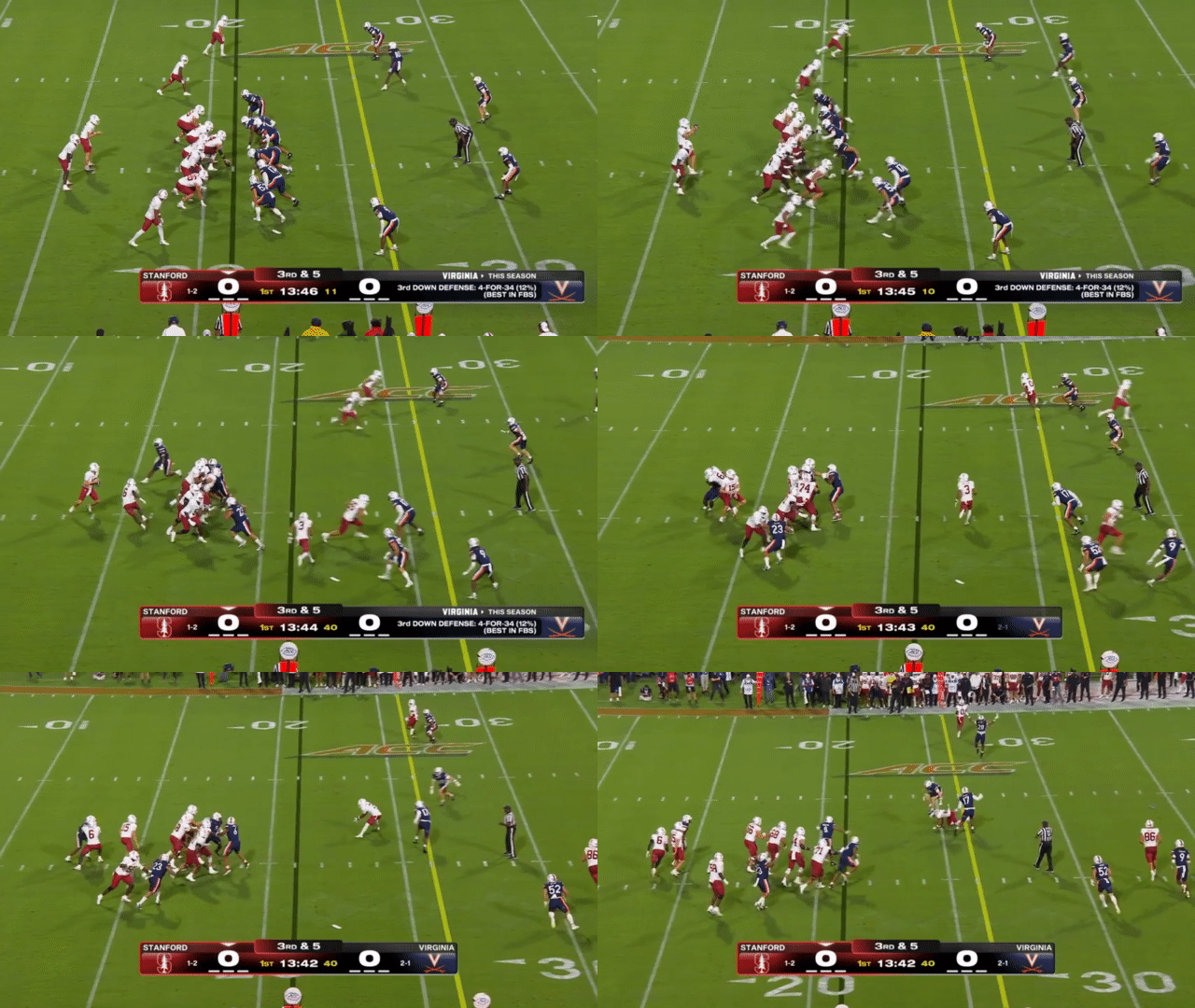
Gulbranson suffered a couple injuries absorbing as much punishment as he did behind Stanford’s offensive line, and it started to affect his throws. However, his struggles throwing under pressure have been there all season:
It looks almost like Gulbranson flinches as he throws when he notices the free rusher, and just sails this throw:
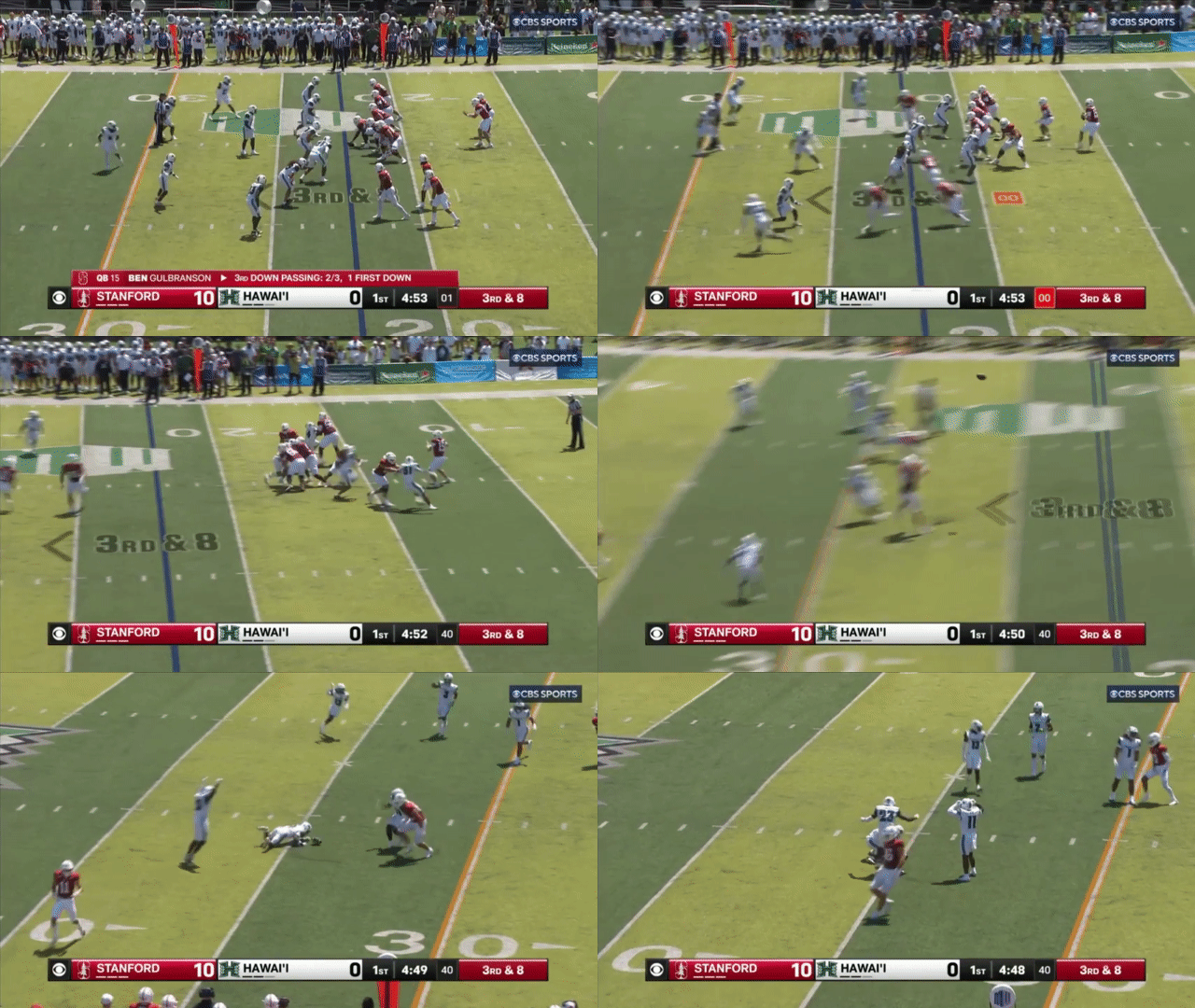
Throwing under pressure, on the run, across his body… just not his strength:
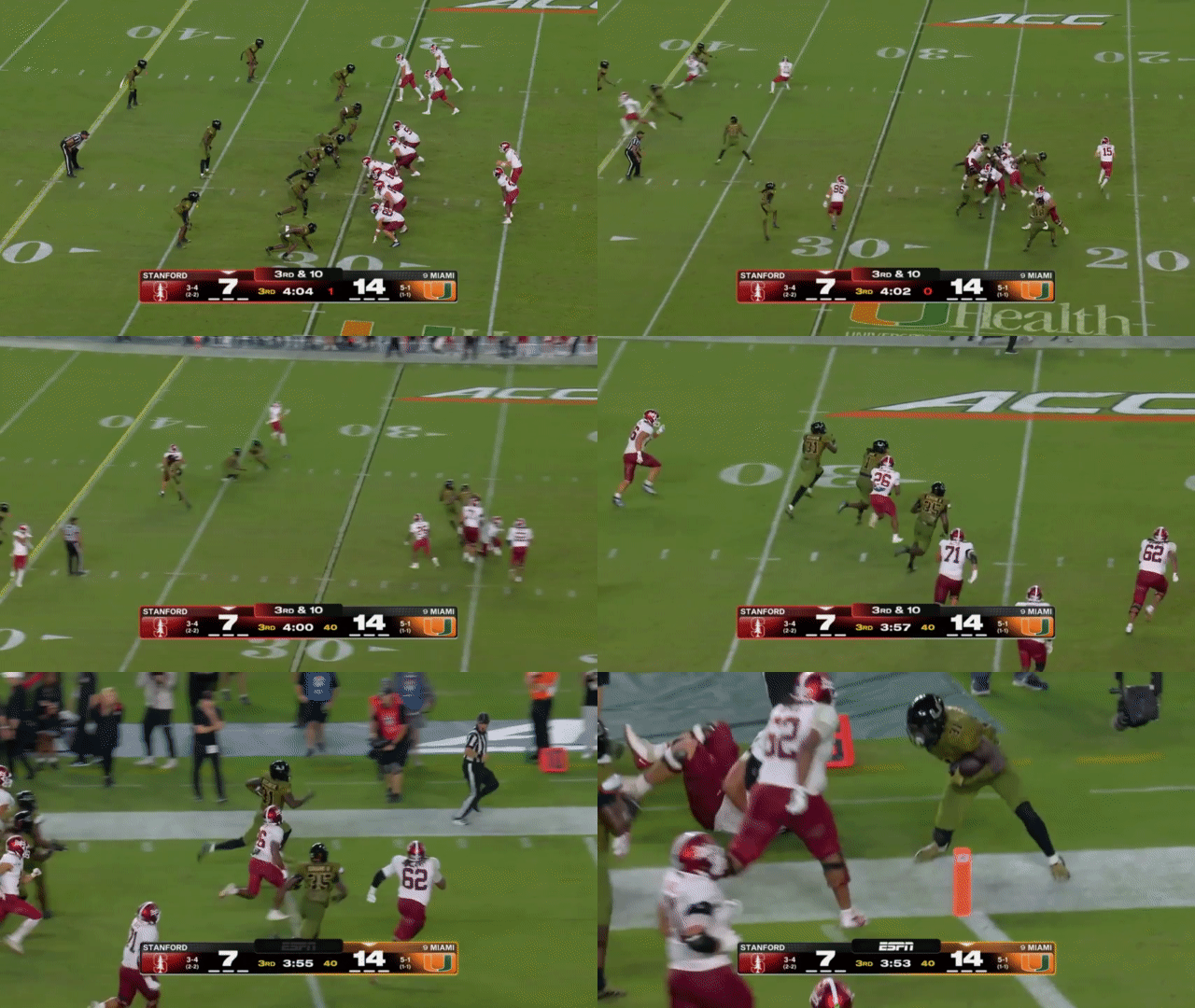
It’s safe to say that Stanford is going to need a big game from their running backs if they are to stay competitive in this one.
Running back
For whatever reason, Stanford has had a lot of success at finding talented running backs in recent years, and they always have a pretty deep pool of talent at the RB position. However, that doesn’t necessarily mean they’ve had success in the run game (they’re last in the ACC in rushing yards per game, below #16 Cal, if that gives you an idea of how rough it’s been for them—however, Cal at least has 16 rushing TDs to Stanford’s 7, which is tied for 4th worst in the FBS). However, I don’t think talent at RB is to blame. I’ve previewed their running backs Sedrick Irvin and Chris Johnson Jr last year, although both of these guys have fallen behind on the depth chart. The starter is now sophomore Micah Ford, who possesses a good blend of speed and power, as well as some receiving ability. (Also, recall from last year’s article that Ford was a high school QB, which they used as part of a trick play).
Ford is primarily a power back, looking to run through tacklers:
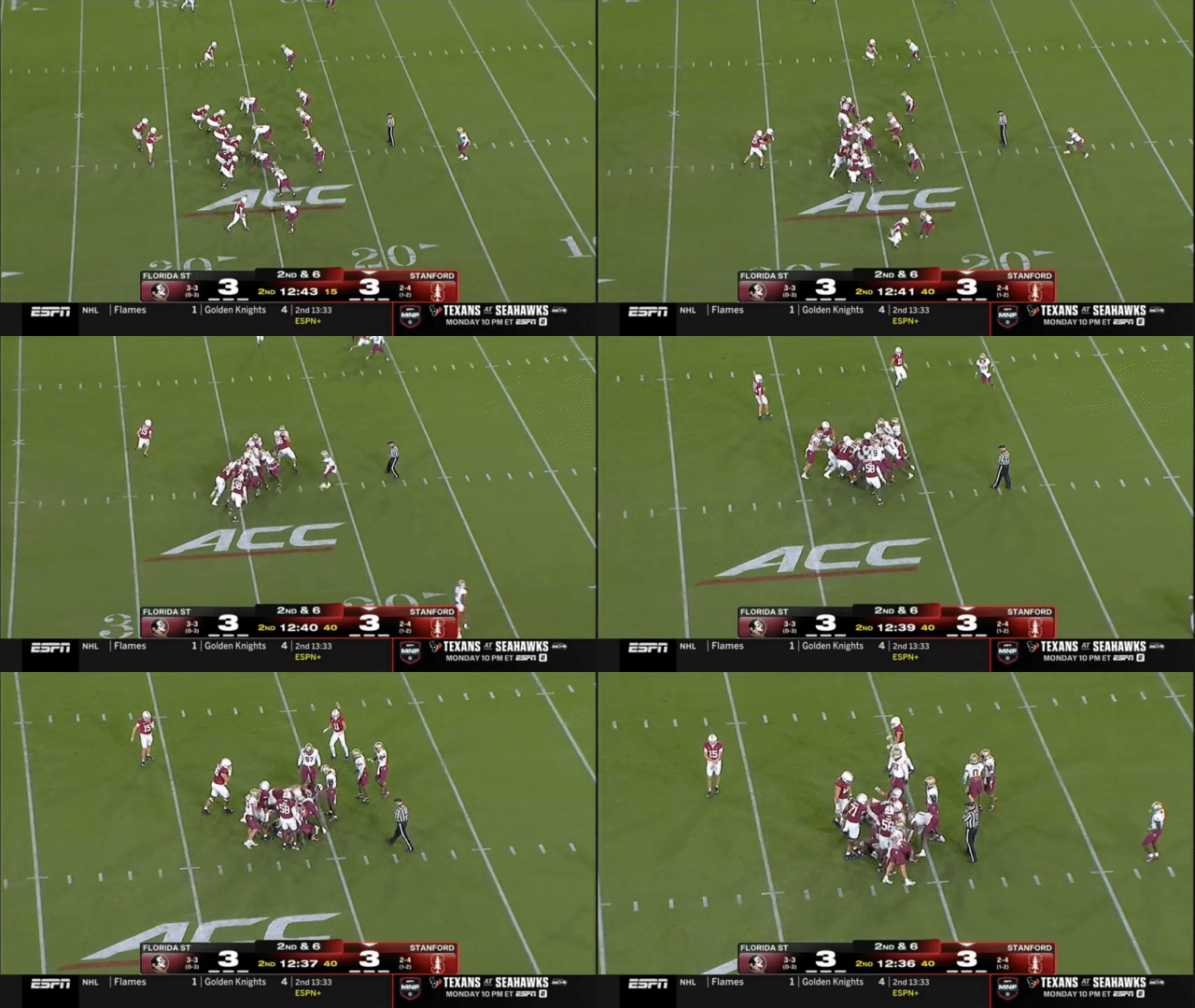
He’s got a nice stiff-arm:
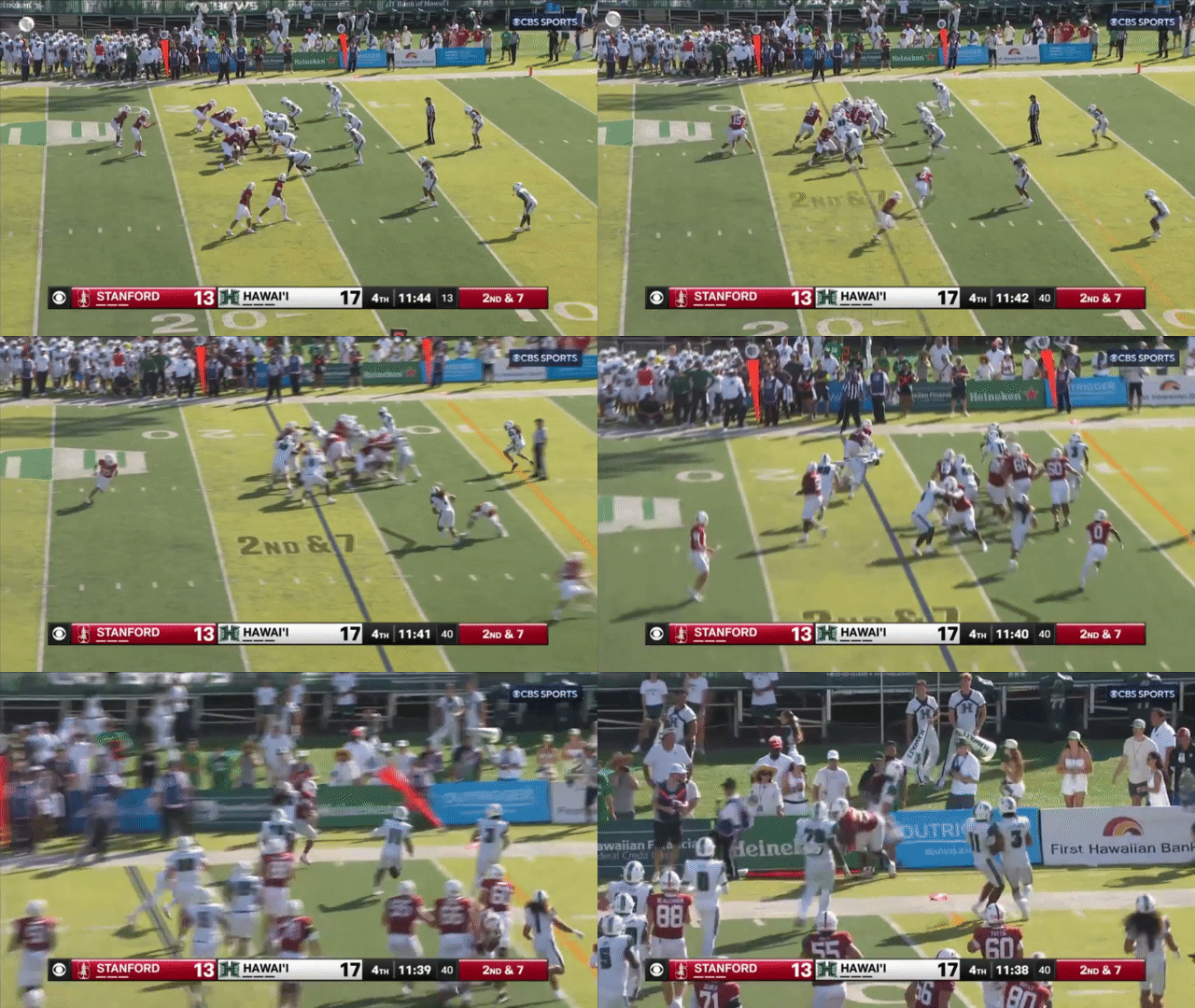
Ford also has a nice spin move:
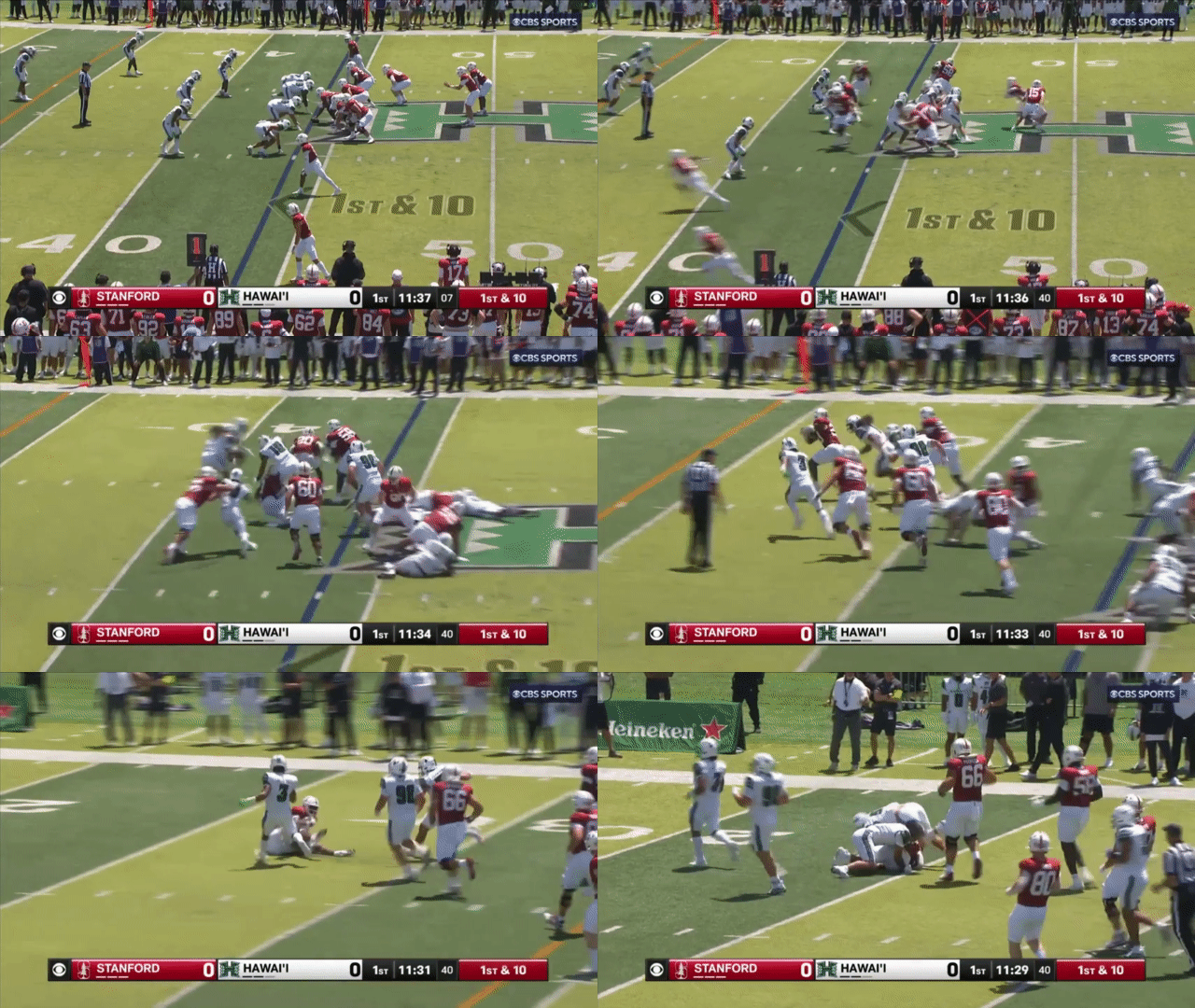
And again:
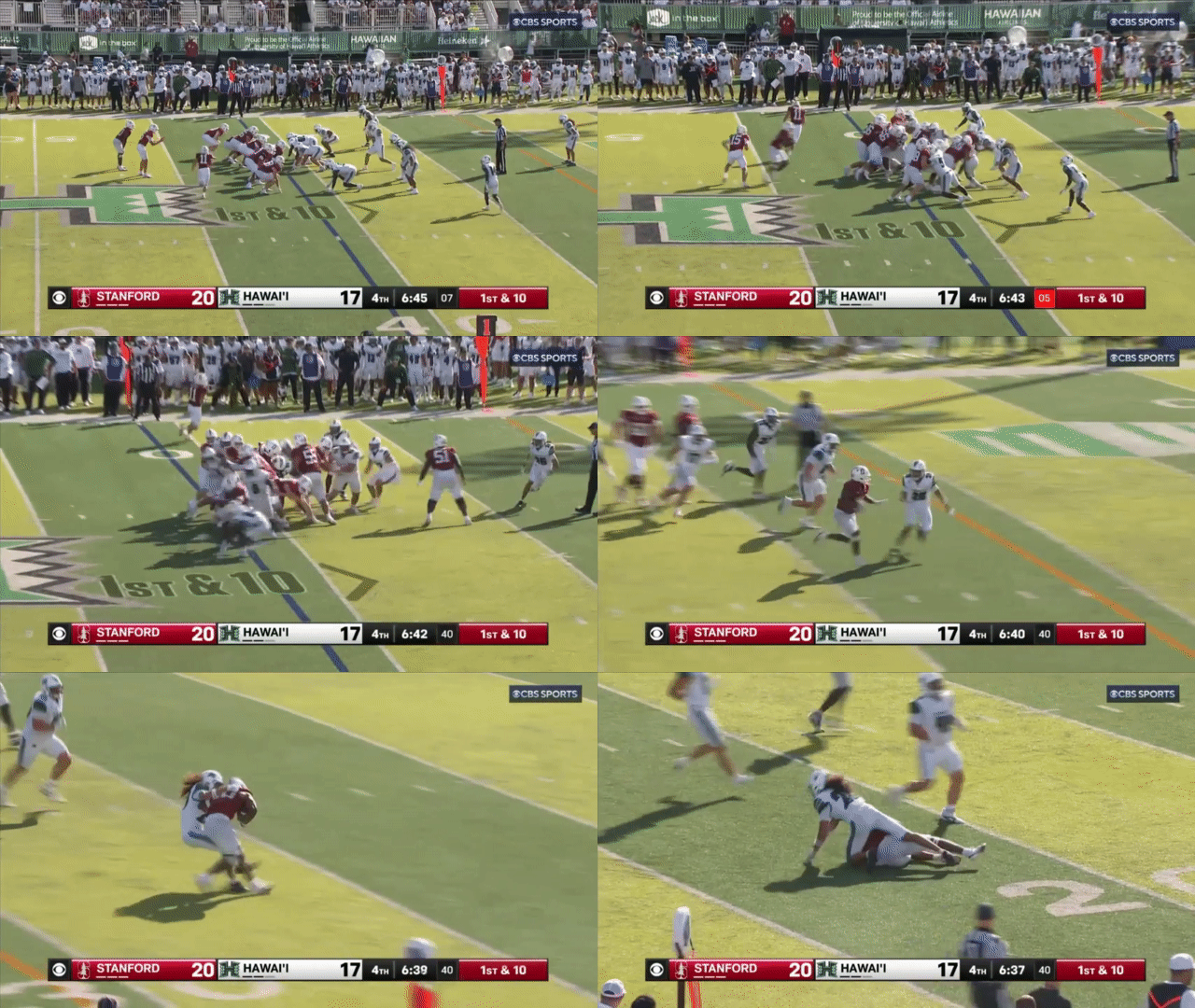
Ford does a good job of navigating traffic:
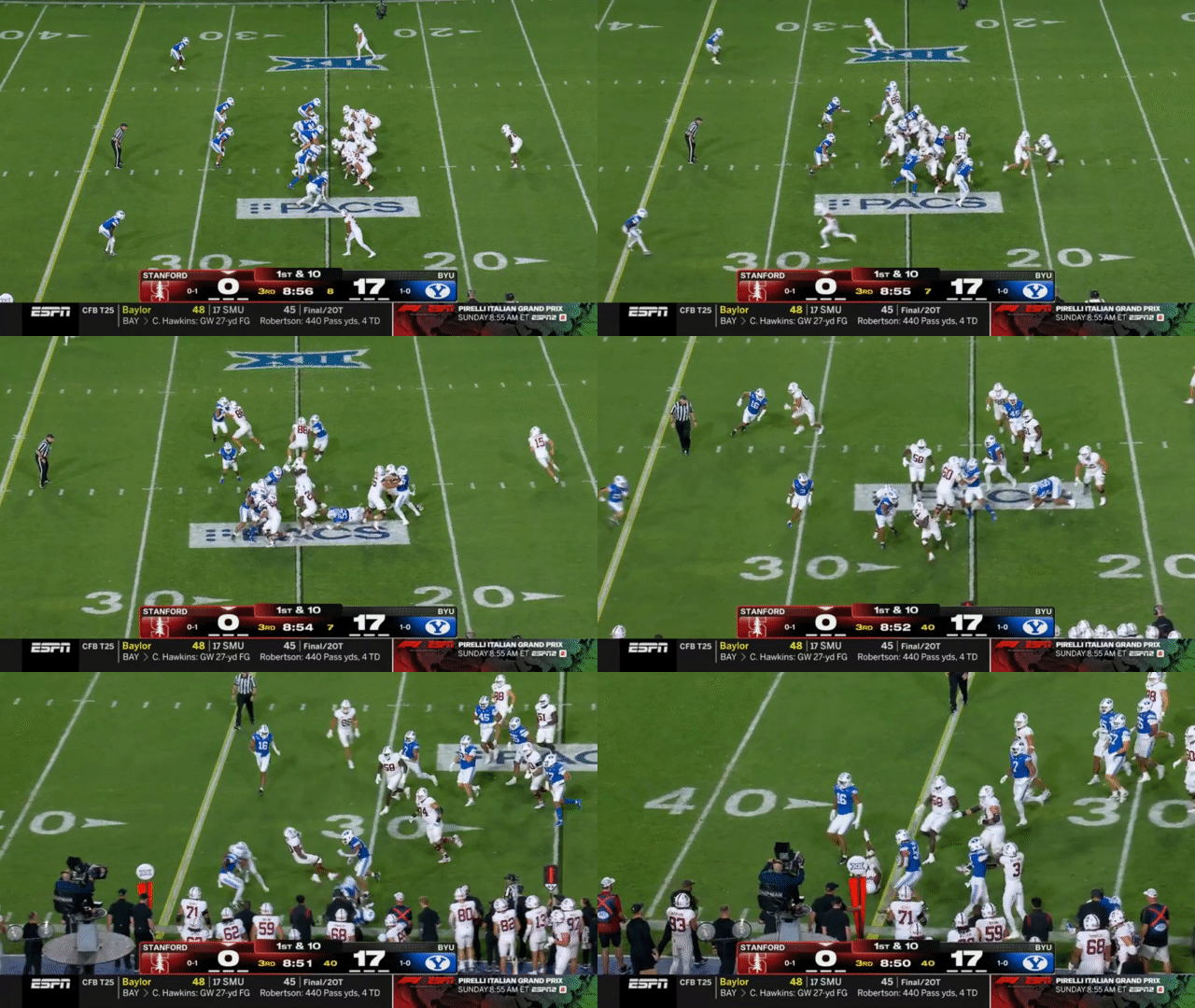
Because of Stanford’s offensive line issues, of Micah Ford’s 493 rushing yards, 443 of them have come after contact. He does a good job of picking up additional yards and creating for himself:
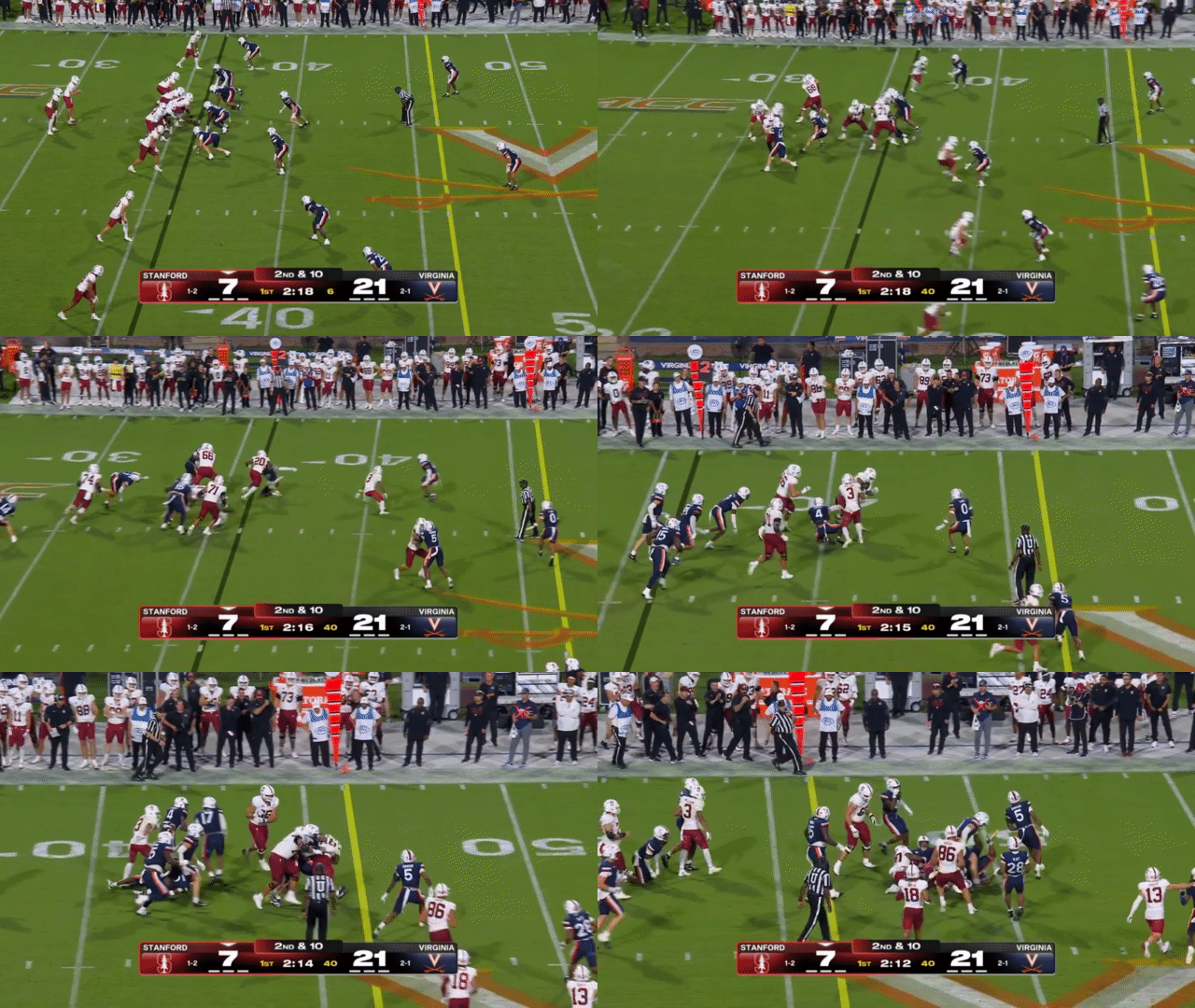
Just getting the semblance of some blocks is enough to break off an explosive run:
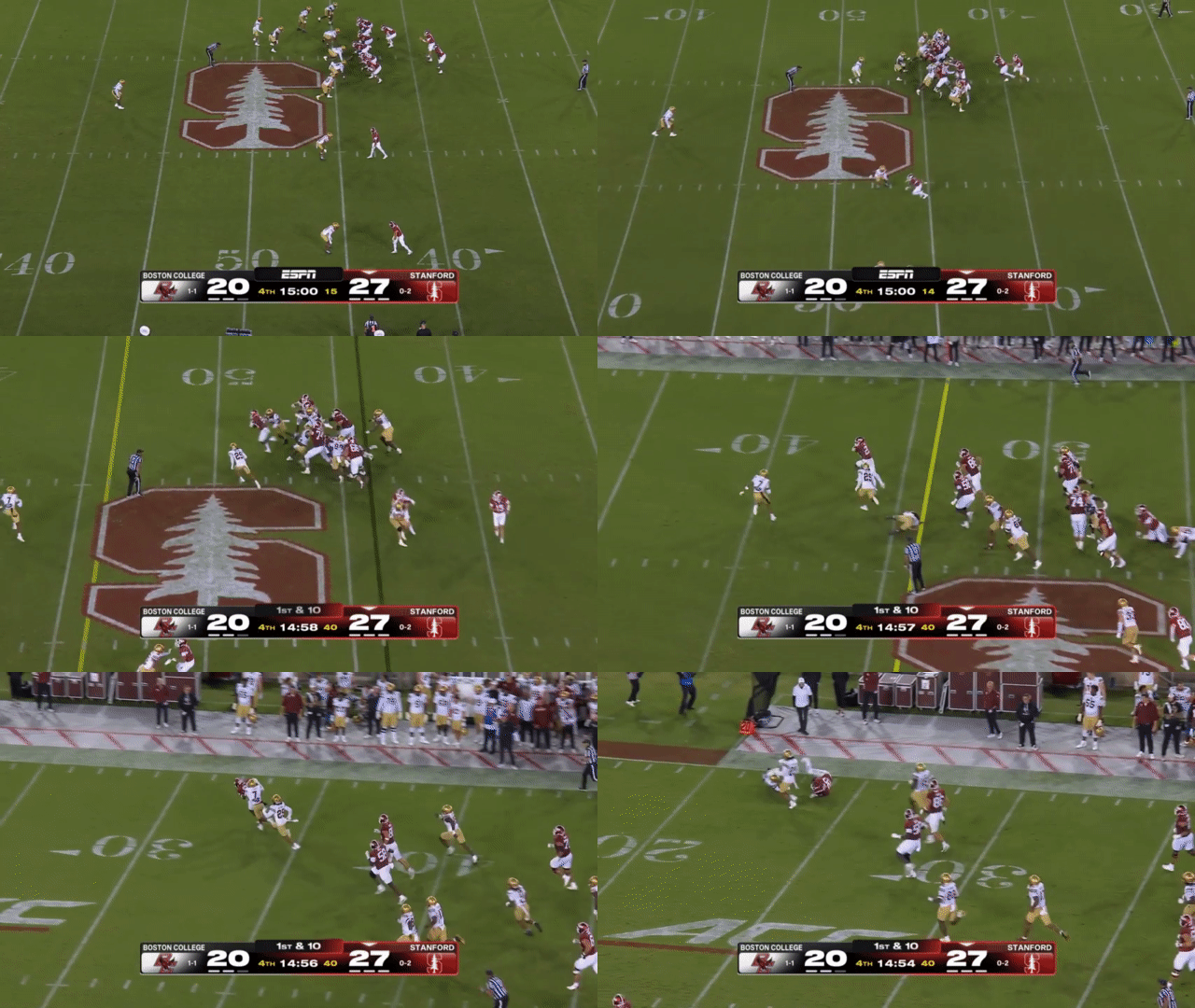
Here Ford does a nice job of making a man miss in open space:
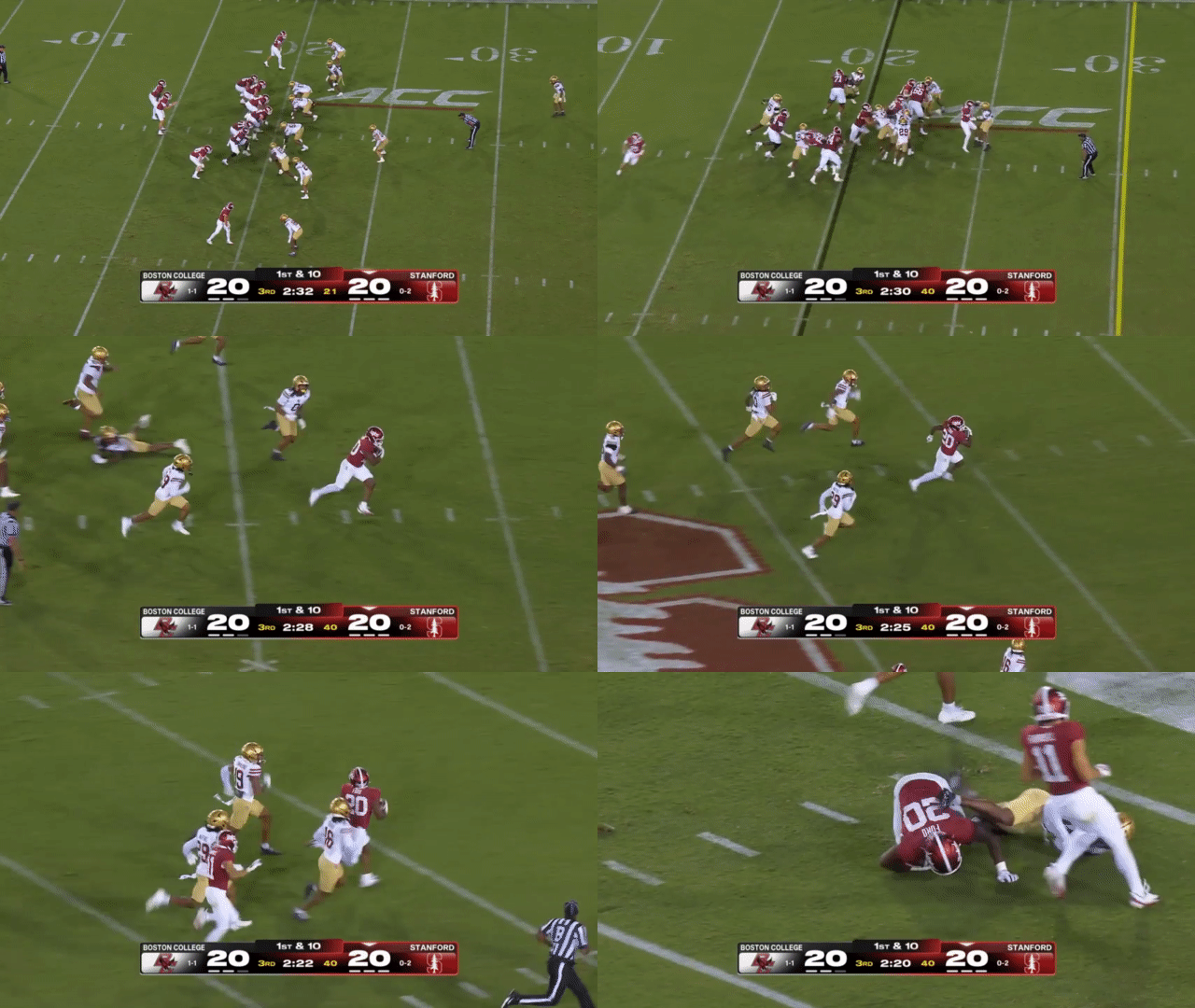
Ford can also be used in the receiving game, often running wheel routes or spreading the field horizontally:
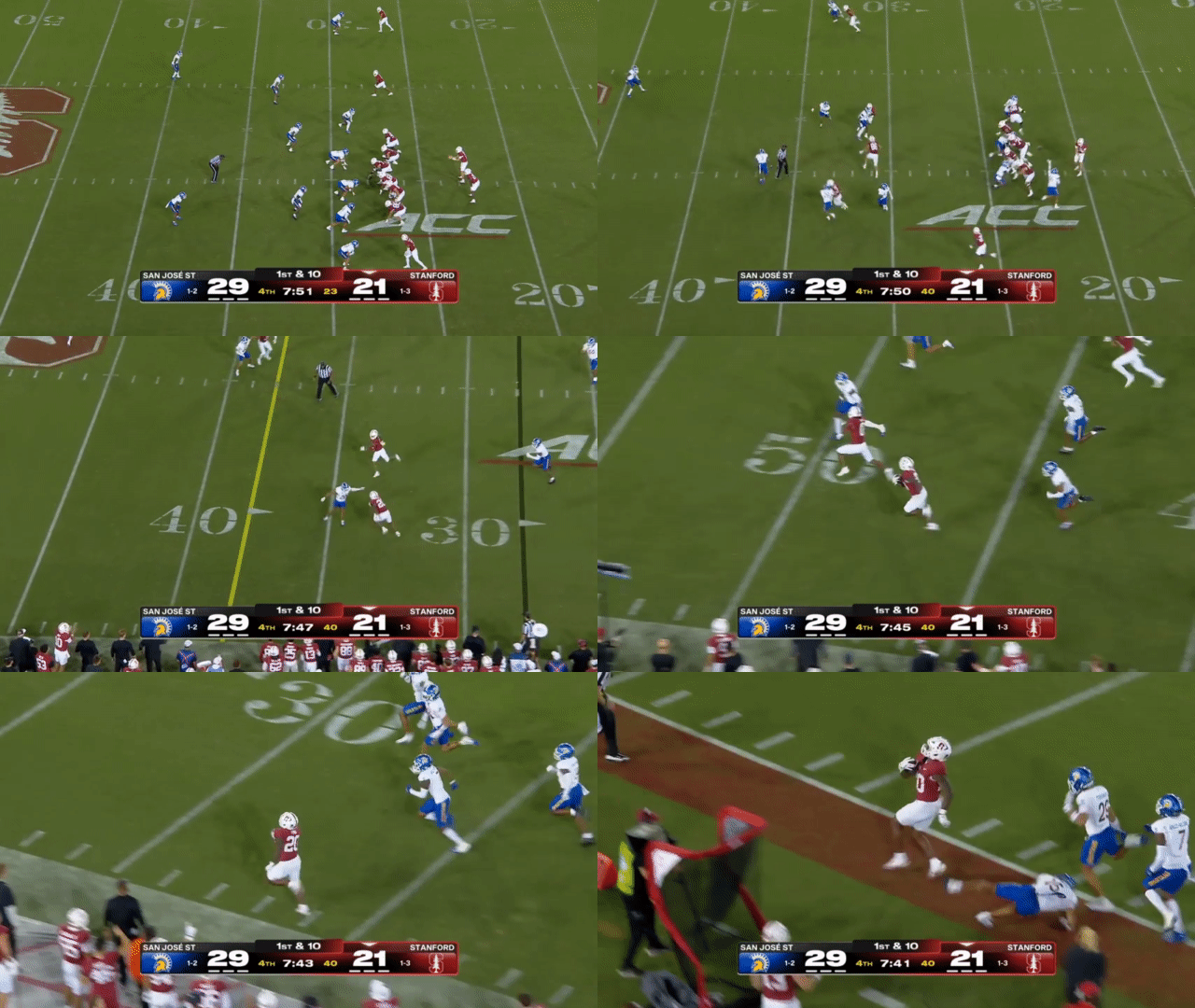
Again, creating yards after the catch:
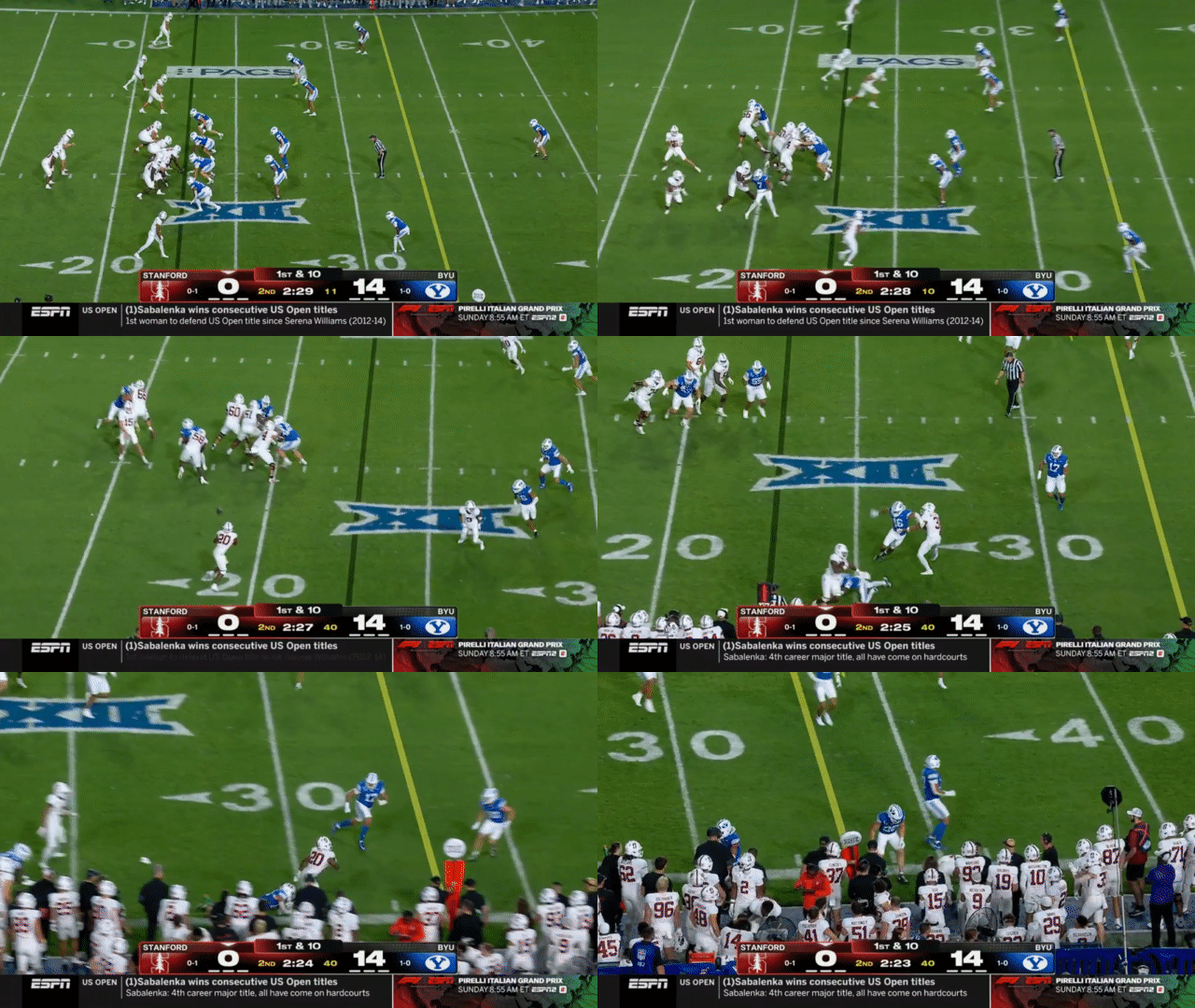
Backing up Micah Ford is the small but powerful RB Cole Tabb. He also runs with more of a power style:
The announcers called him a “bowling ball” as he looked to bowl over the defenders:
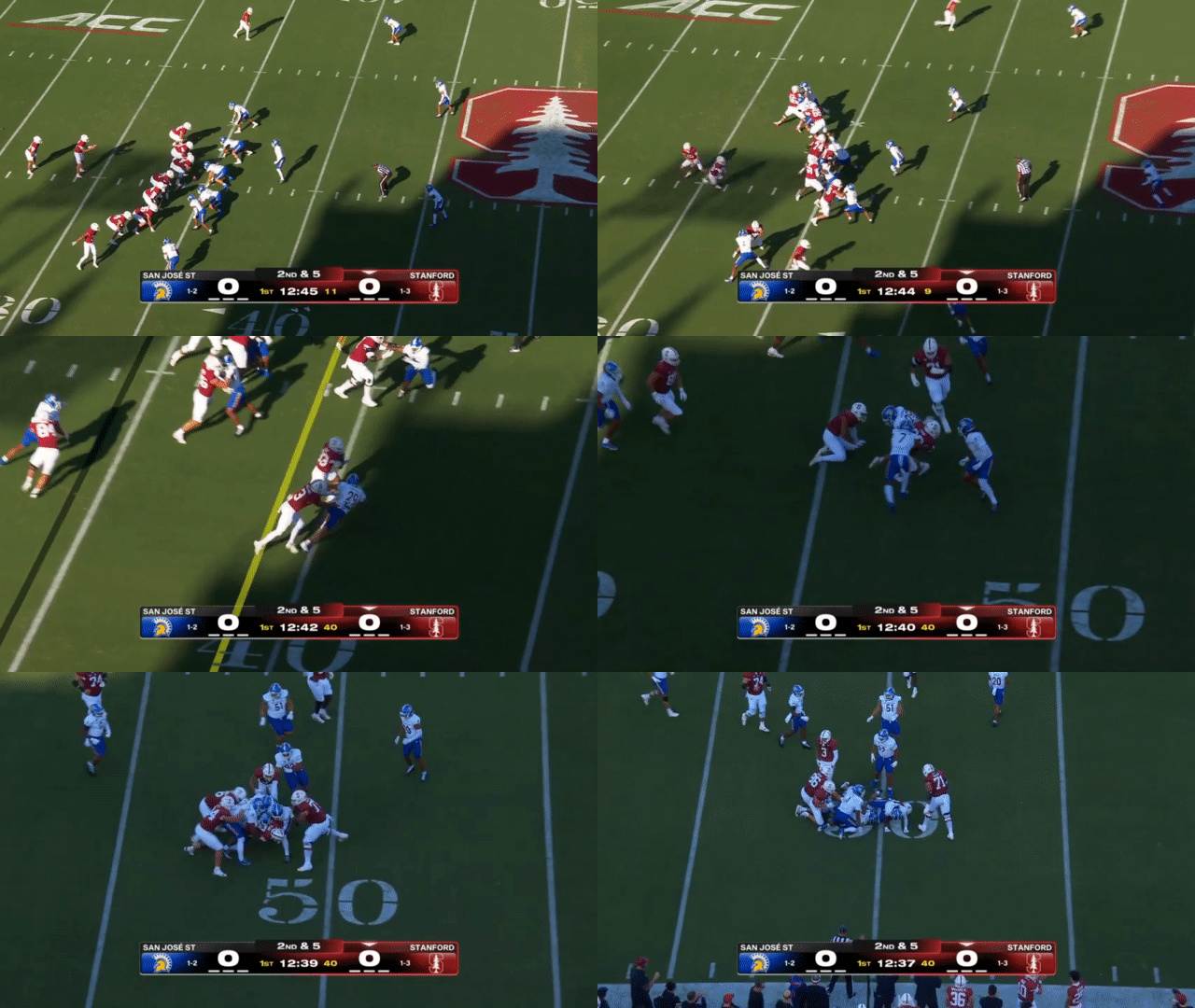
Tabb also had a tendency to break off big runs to the outside:
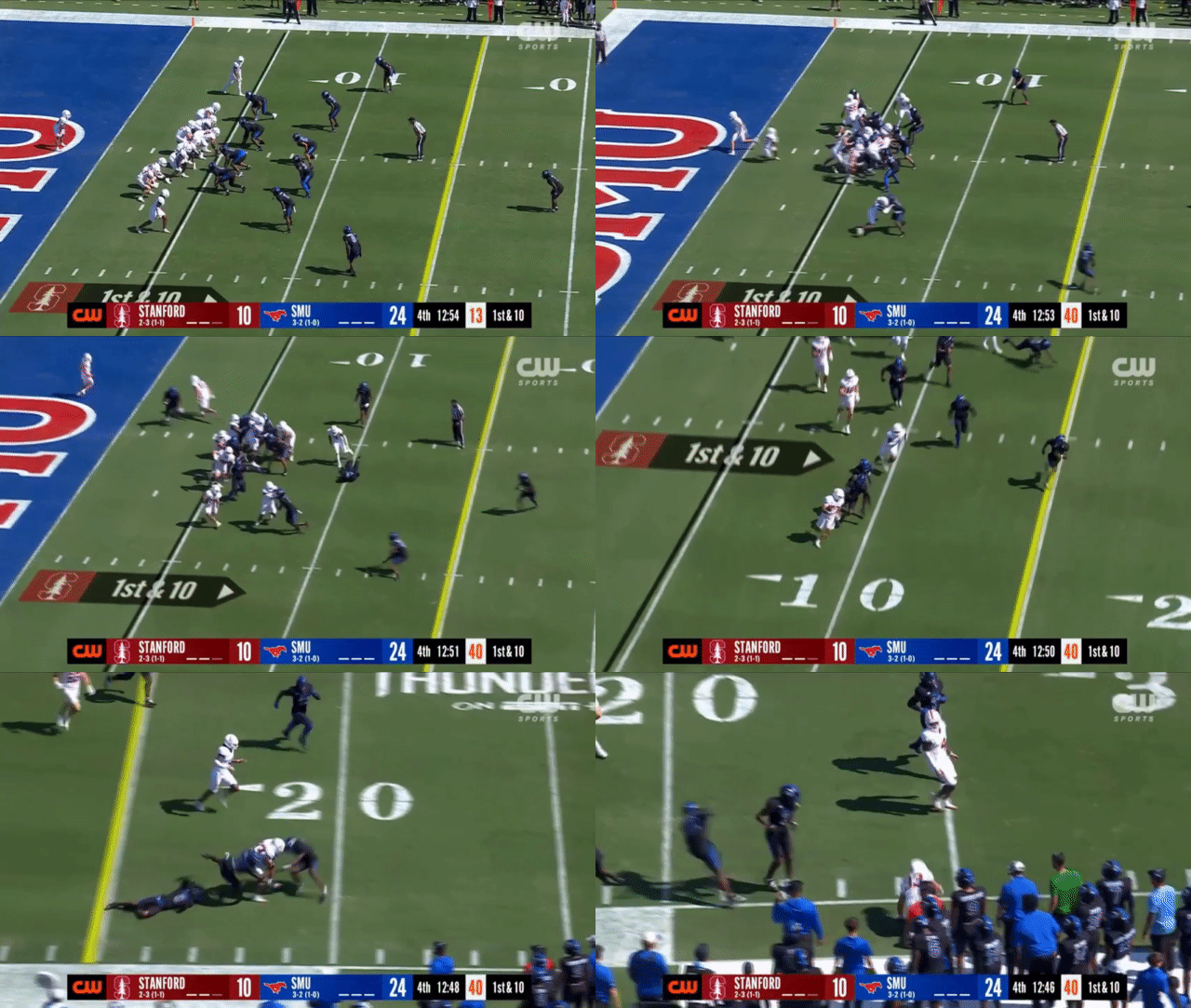
And again:
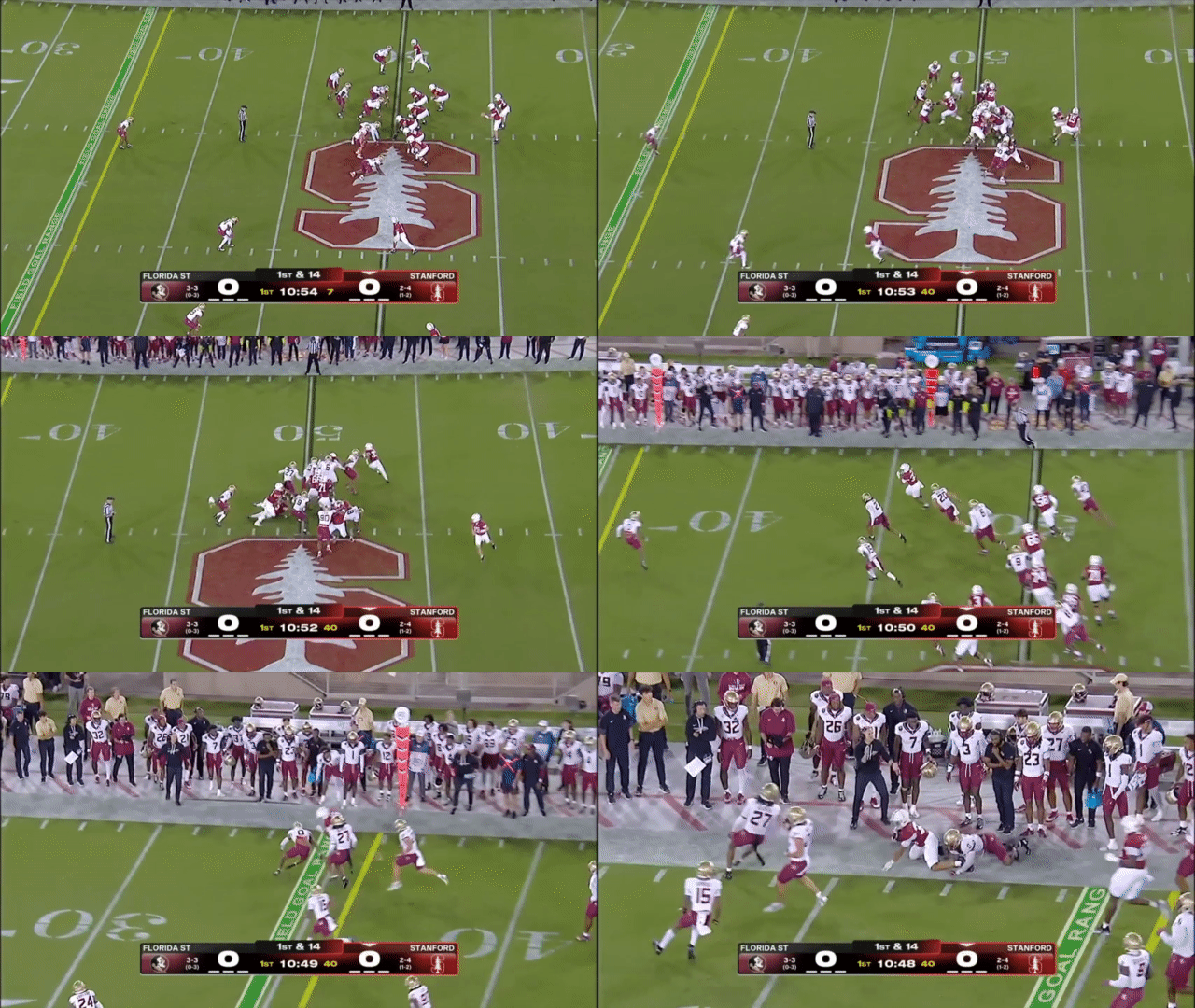
And one more time:
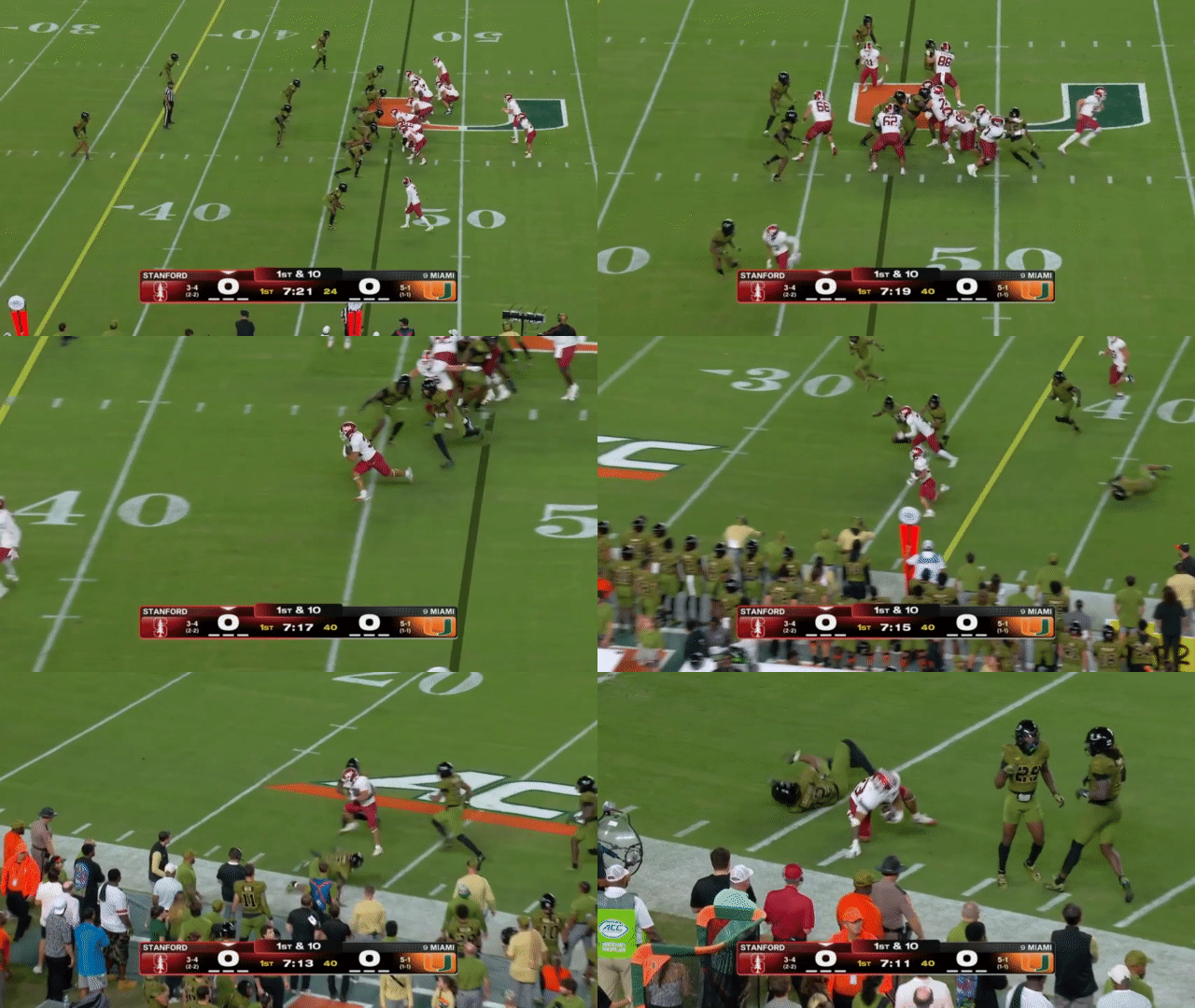
Just kidding, he’s still doing it:
Probably the best RB in pass protection is RB Tuna Altahir, who is even more of a power running back than the first two:
Stanford has a deep running room with plenty of talent to choose from.
Receivers
Surprisingly, Stanford also has some talent at the receiver position as well. Their top receiver is the USC/Wisconsin transfer, CJ Williams, who looks to have some NFL potential. The thing that jumps out to me the most is his route running ability:
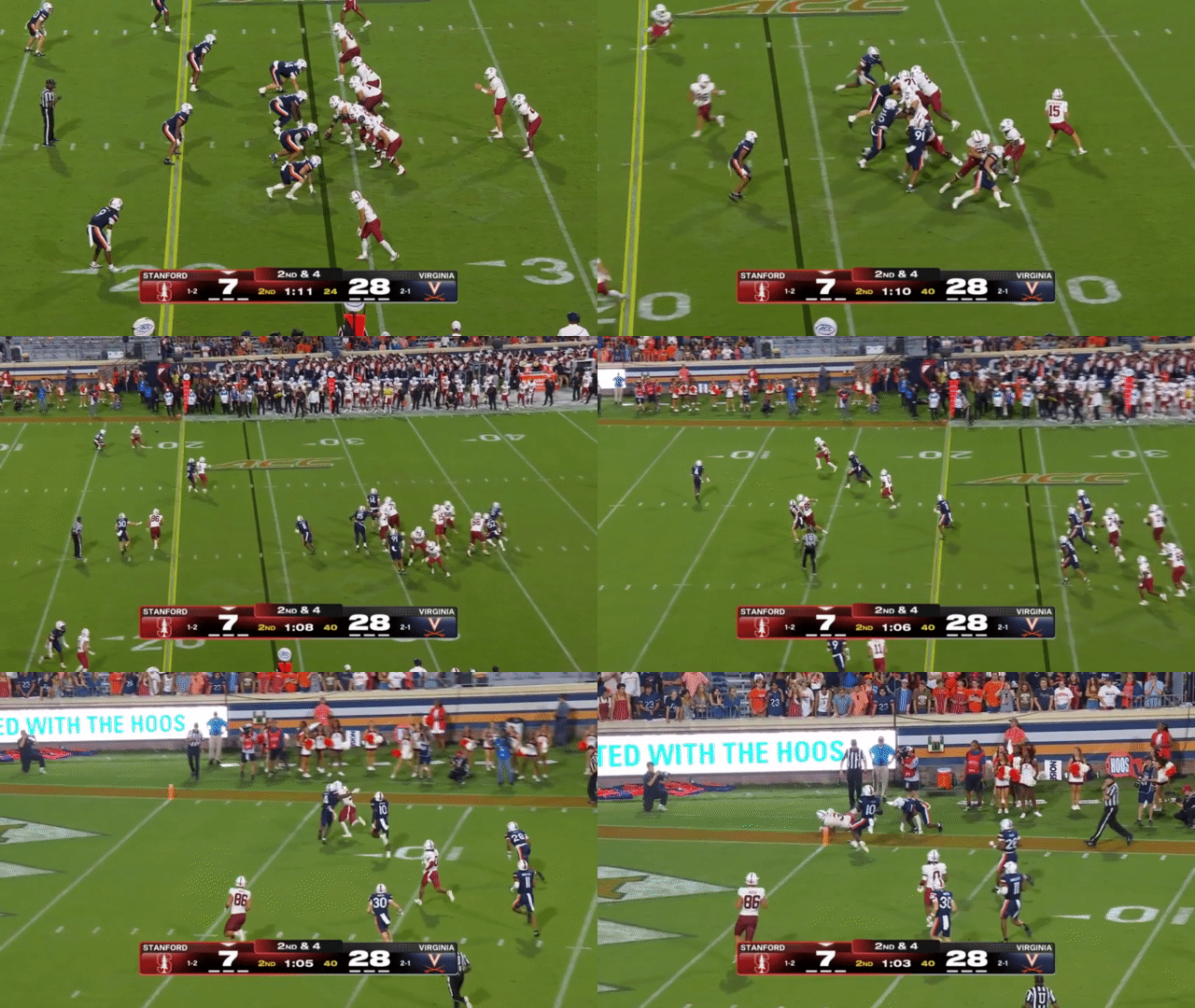
Williams does a good job of setting up the corner with his routes:
Williams is also a solid pass-catcher, and has bailed out the quarterback a number of times. Here he somehow manages to catch a ball on the deflection (on what should have been an interception):
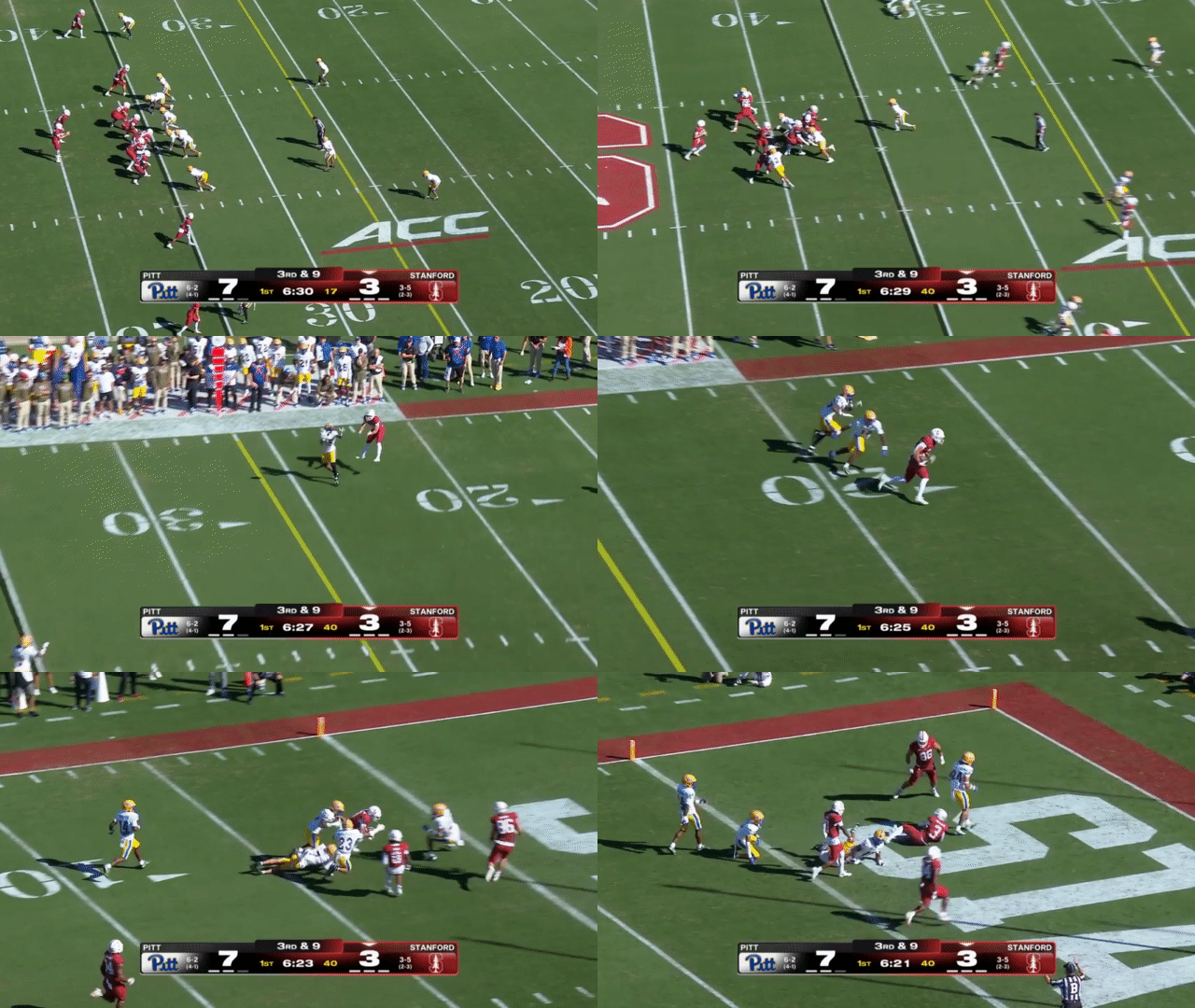
Williams catches the ball well through contact:
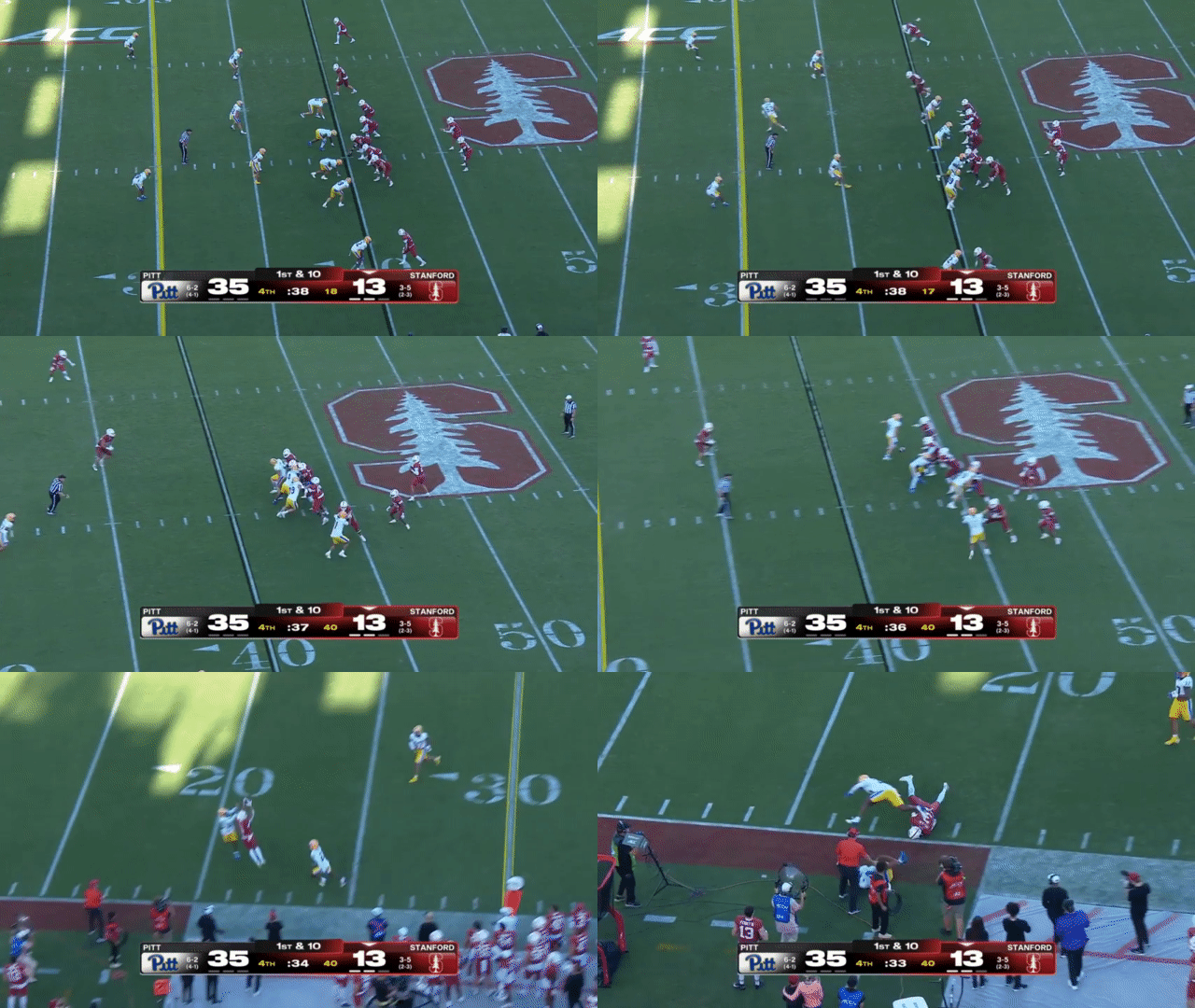
And Williams has also shown some nice contested catch ability:
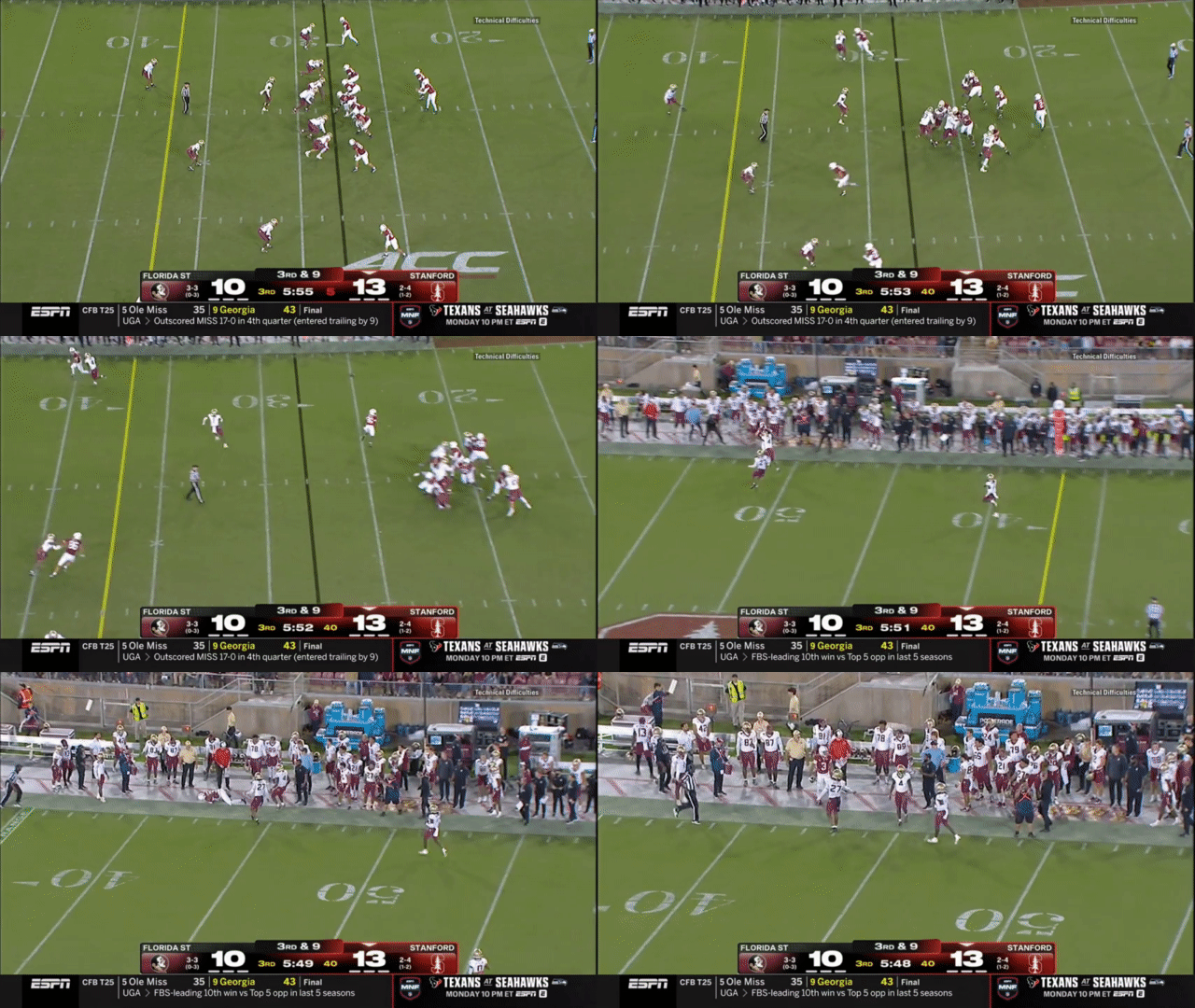
Williams does a good job of creating his own yards after the catch:
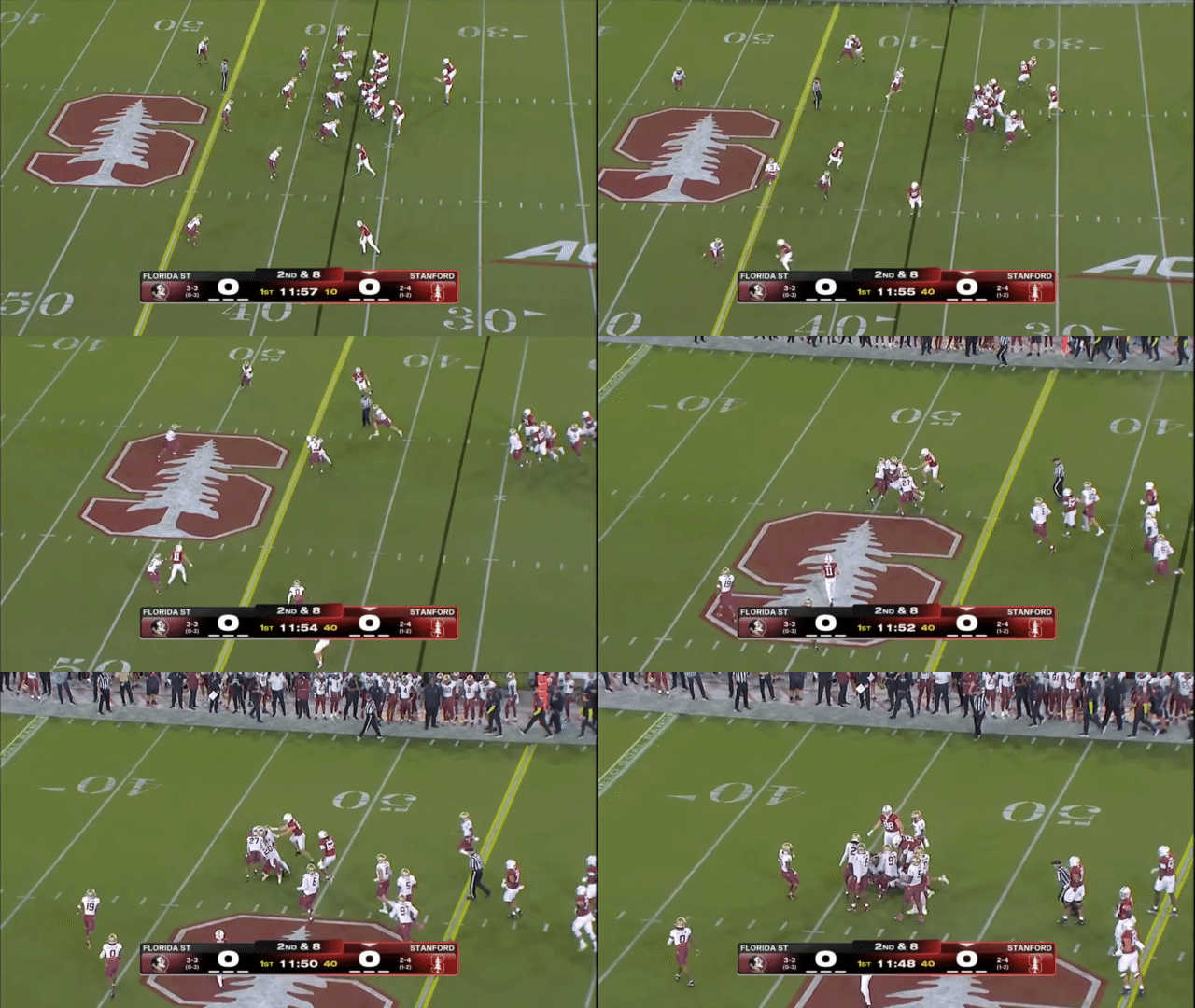
Williams will definitely be the most dangerous receiver on the Stanford offense. However, because Stanford quarterbacks are not necessarily adept at making big plays, look for a lot of short checkdown targets to the tight end, Sam Roush:
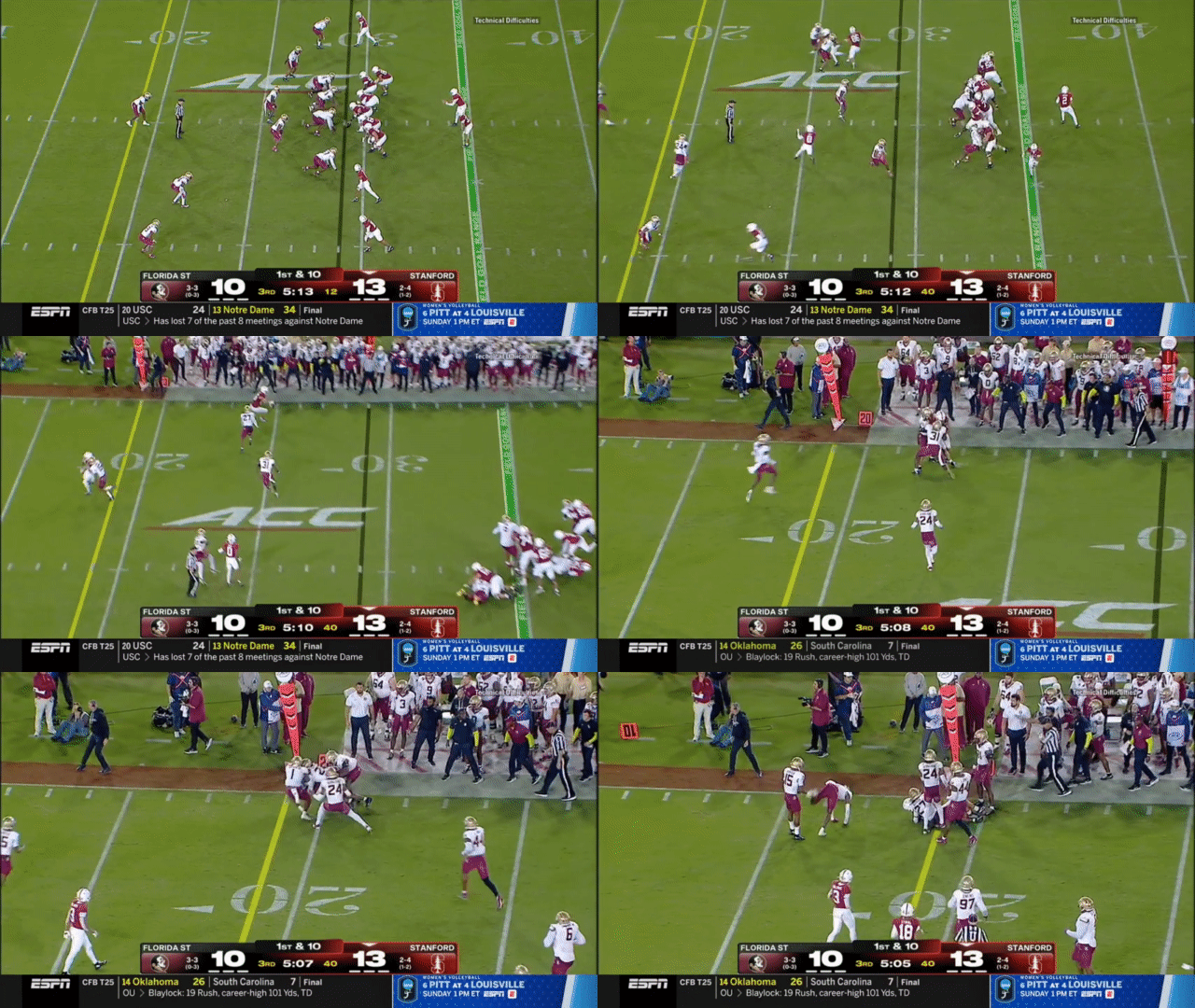
Roush also has some NFL potential, but he doesn’t particularly jump out at me the way previous Stanford tight ends have:
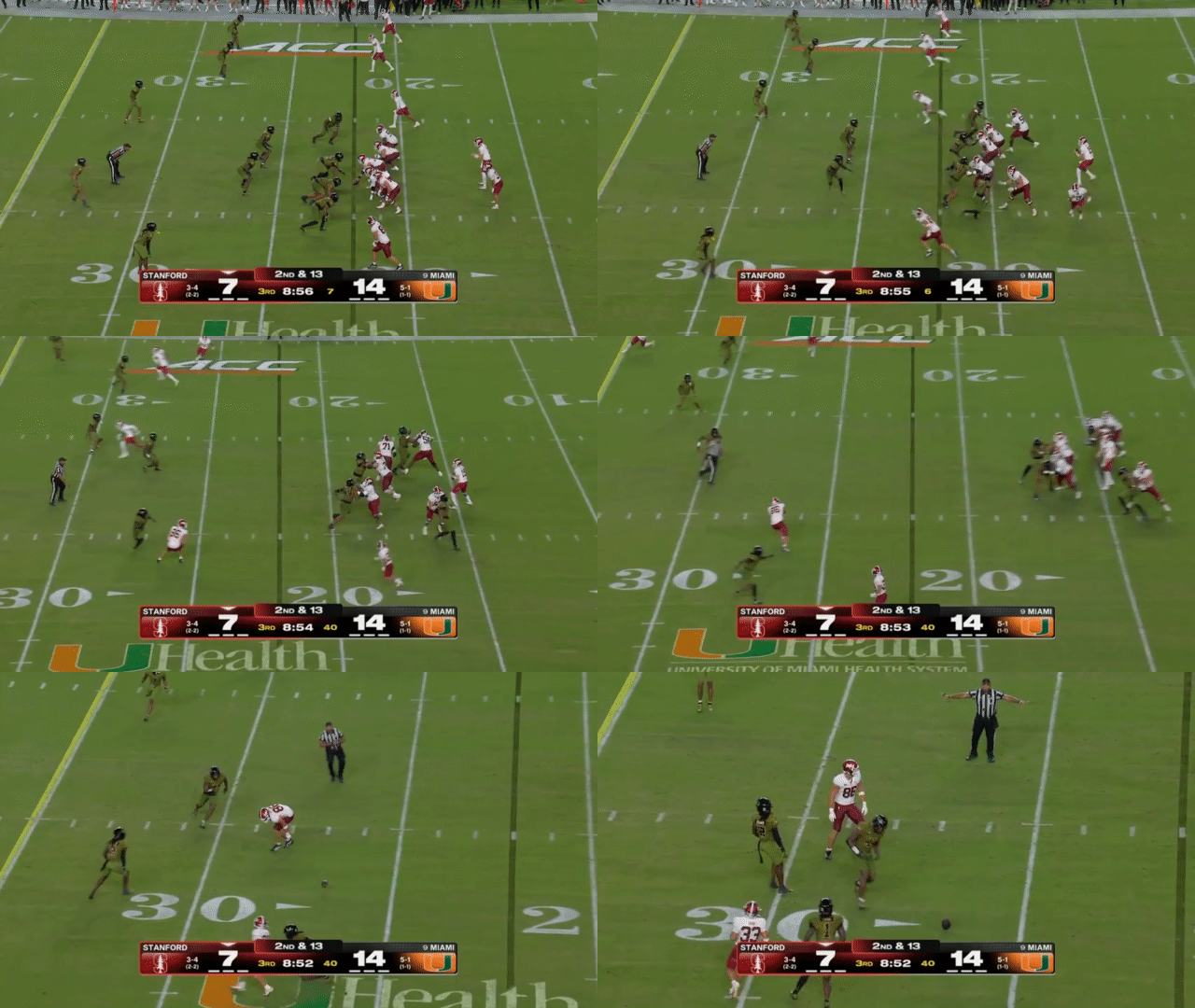
Stanford likes to use a lot of delayed releases with their tight ends— have the TE set up to block, then run a route after:
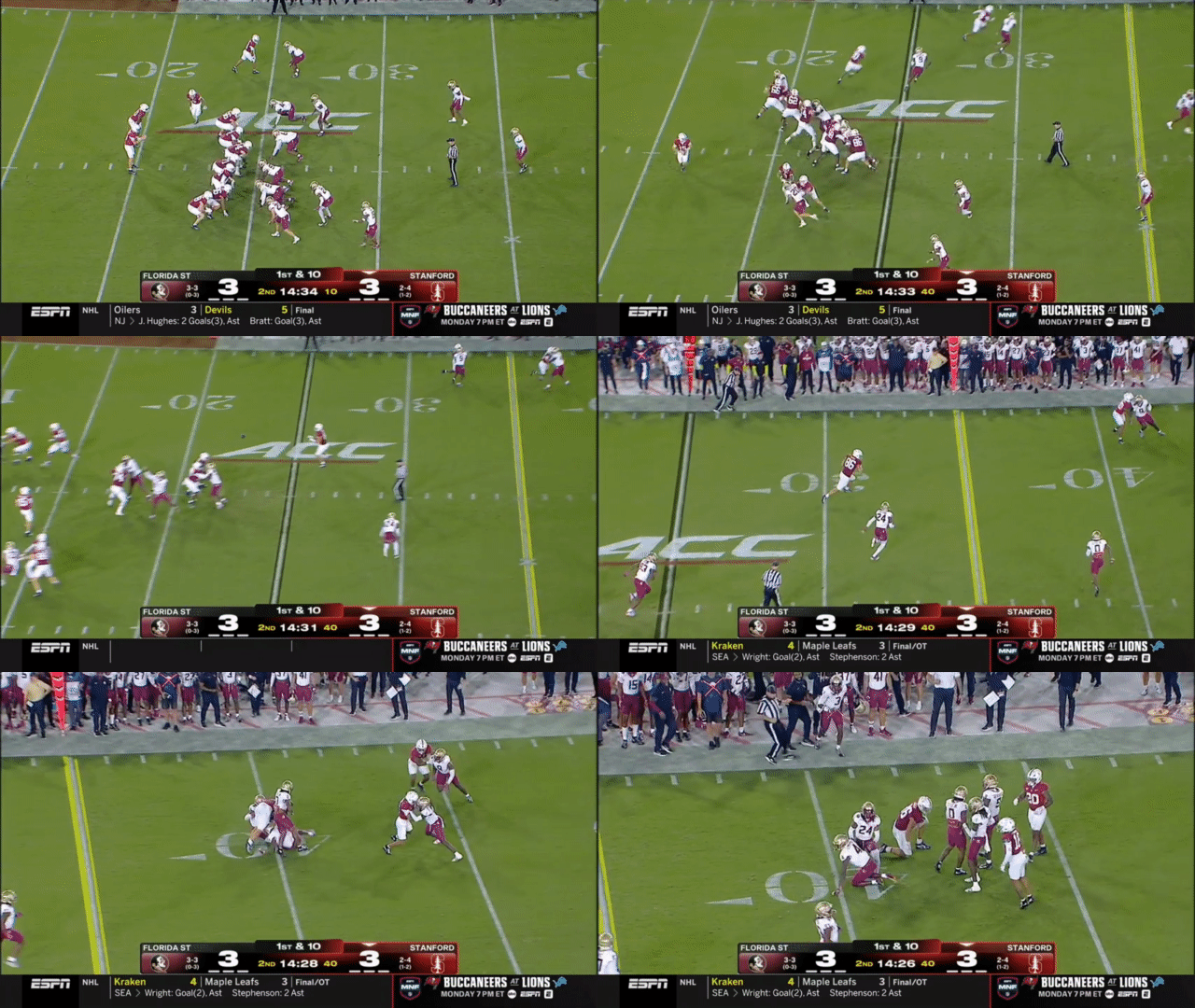
Roush will likely be the primary target across the middle of the field:
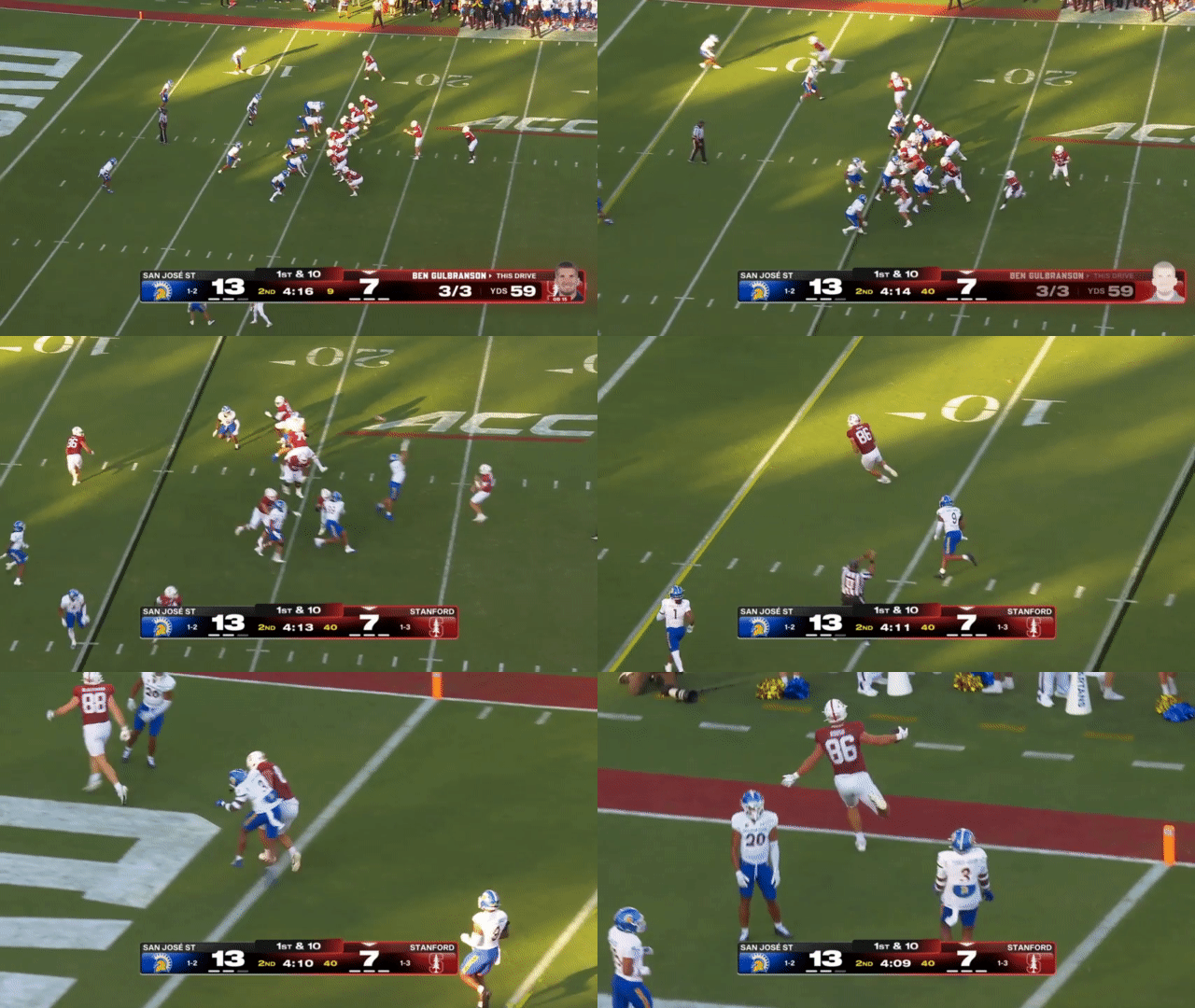
Roush breaks off a big play here after the defensive back gambled on the interception and lost:
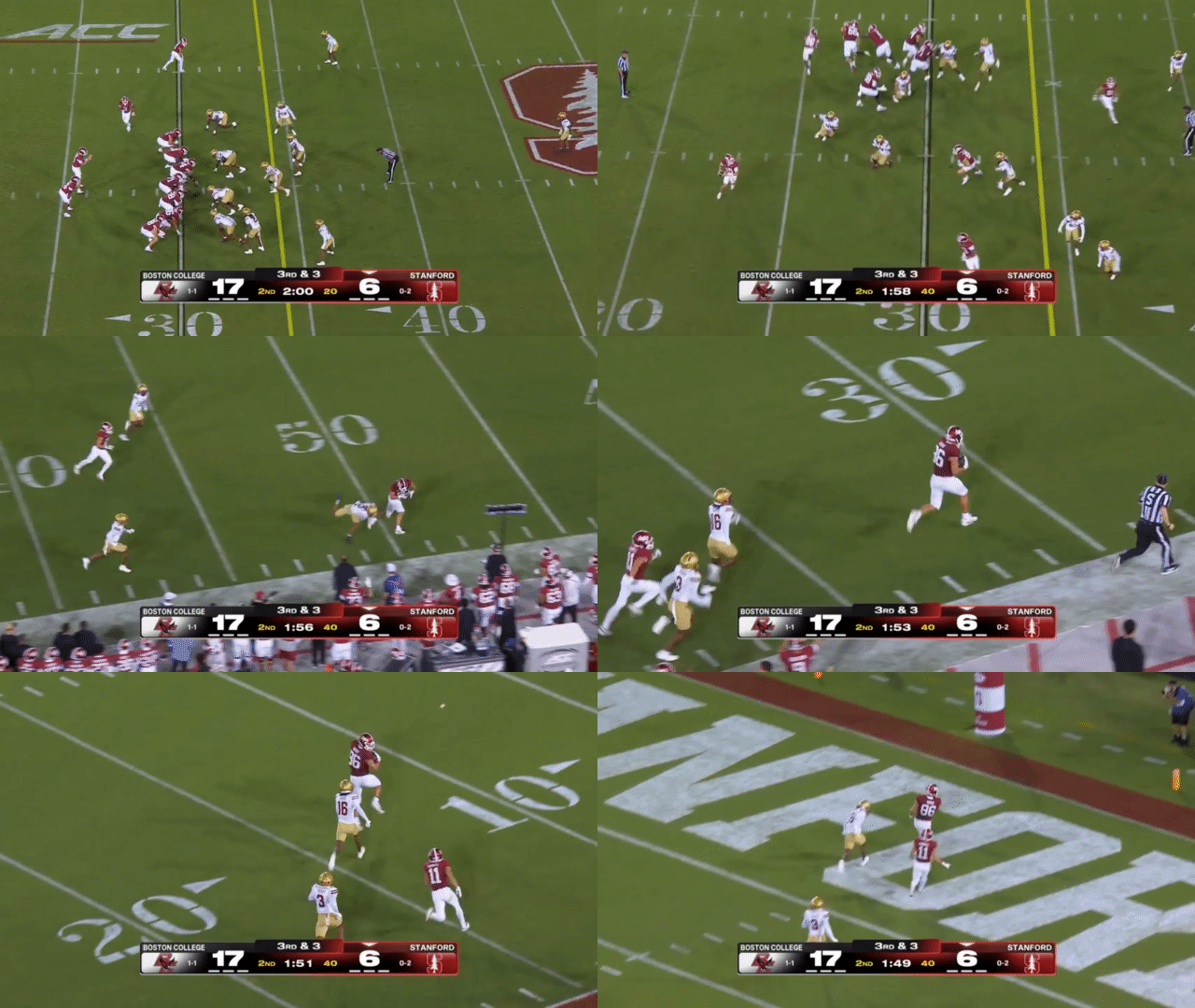
Lining up in the slot is WR Caden High. High also does a good job of gaining separation with his route running:
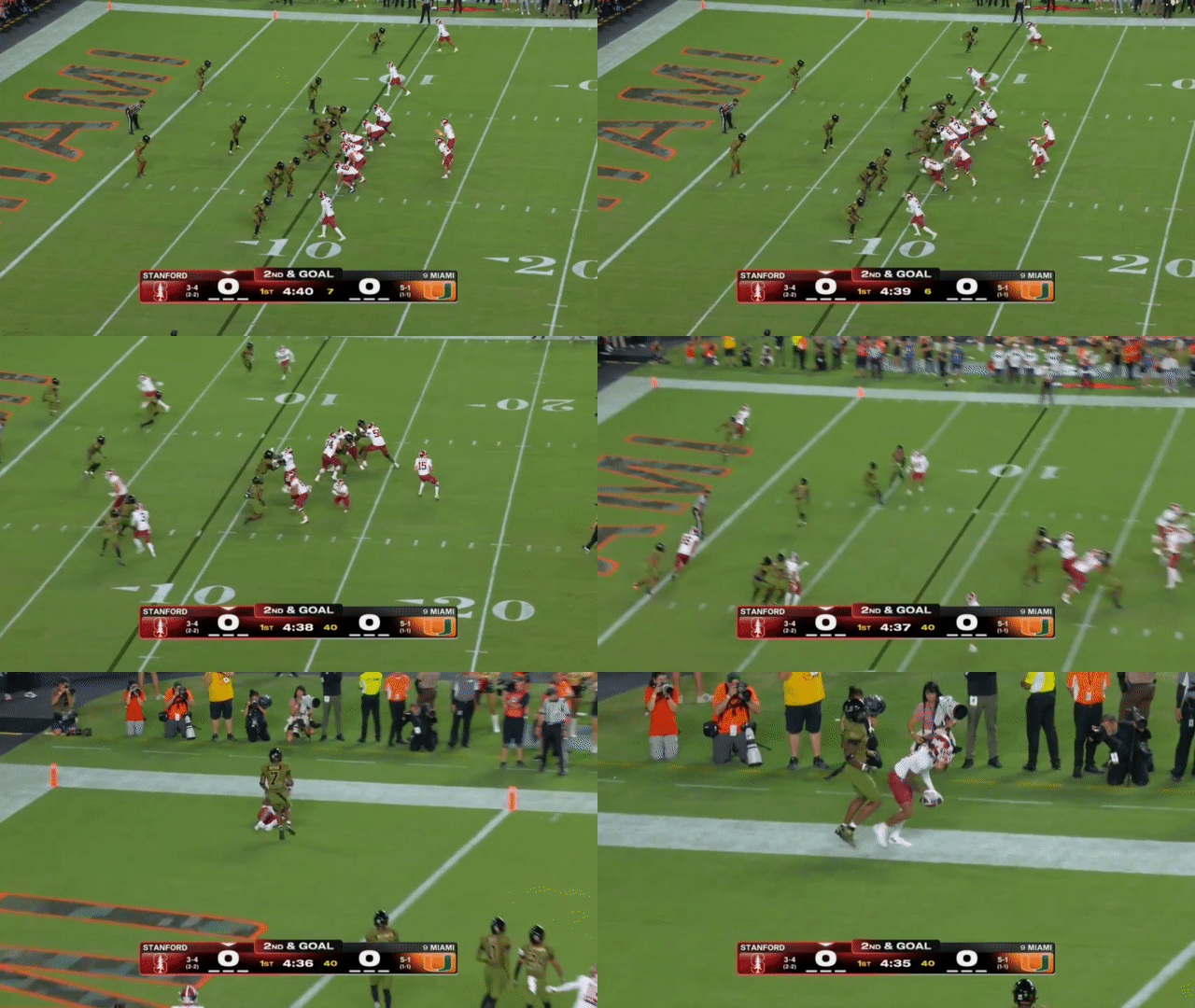
High will also look to work the middle of the field:
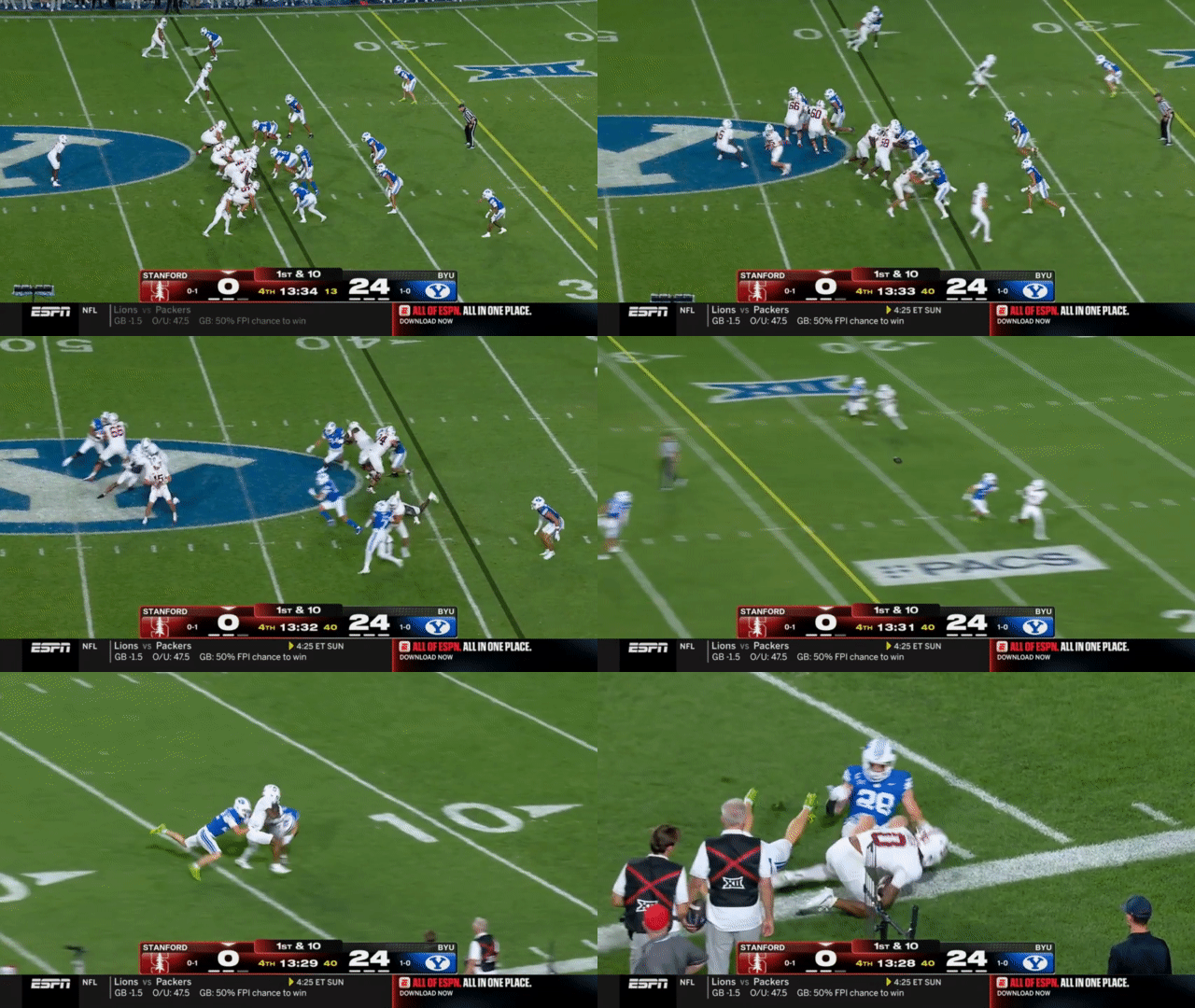
High has also shown good hands, able to handle some less than perfect throws:
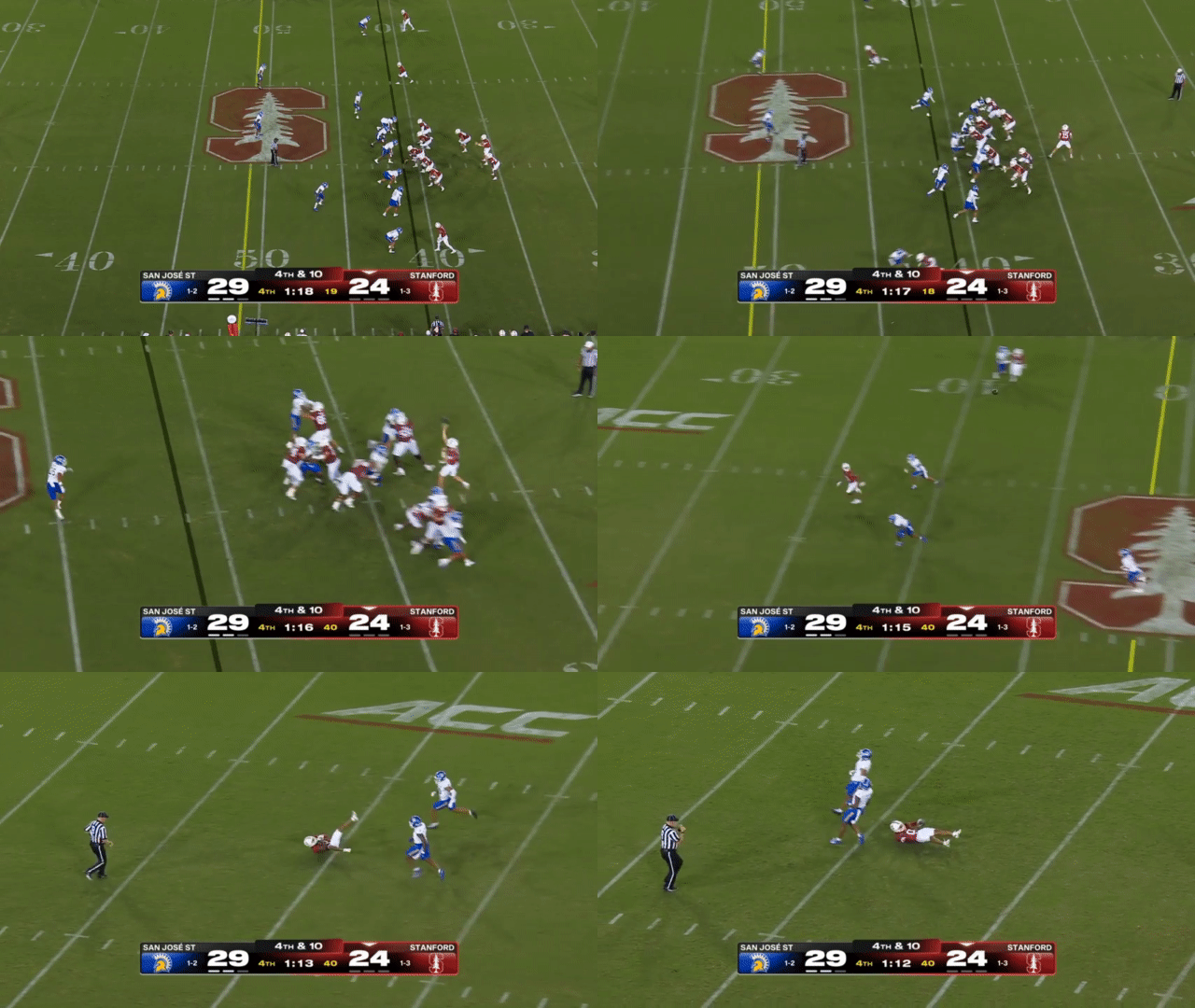
Another nice catch:
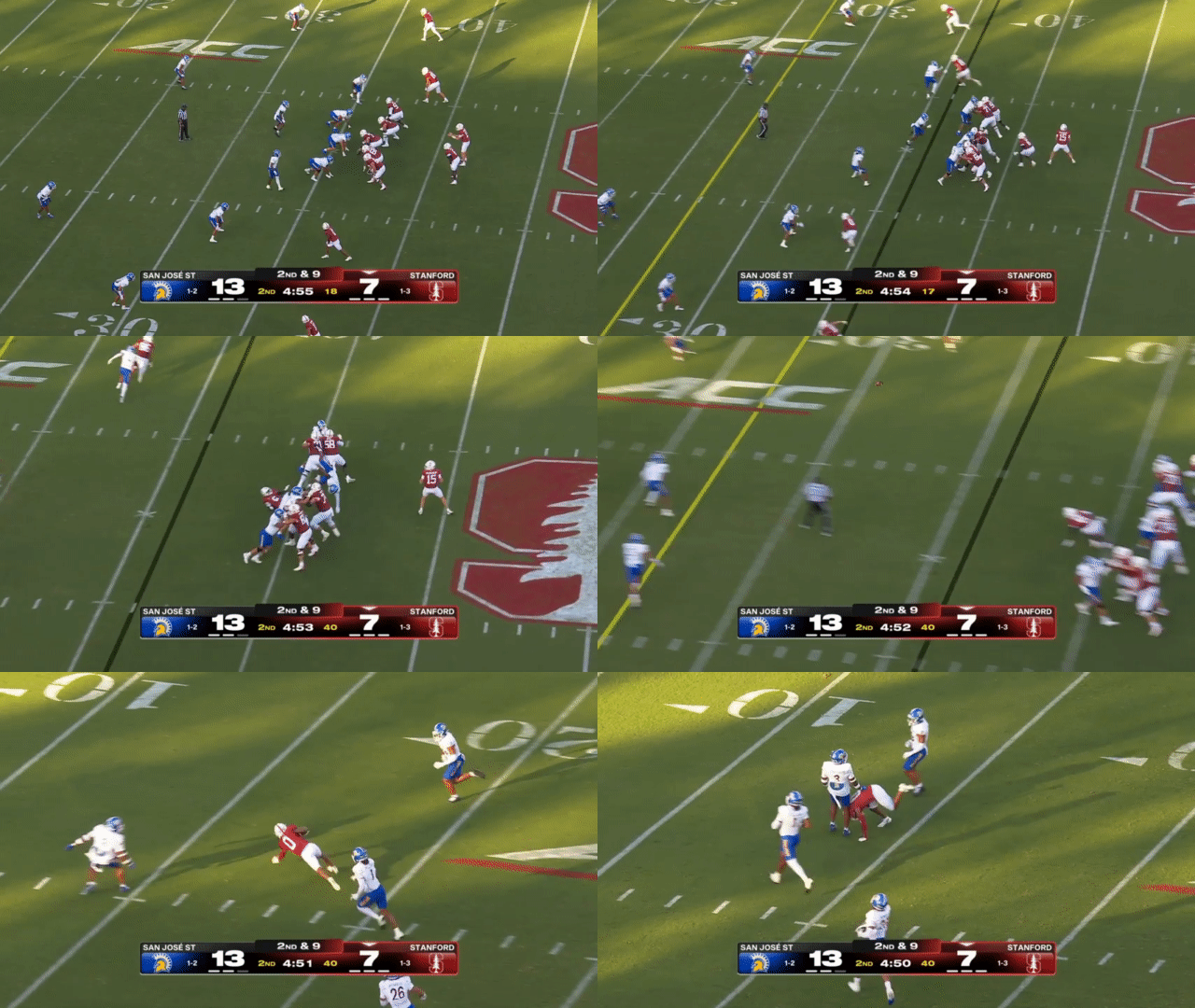
Here High does another nice job of finding himself in open space:
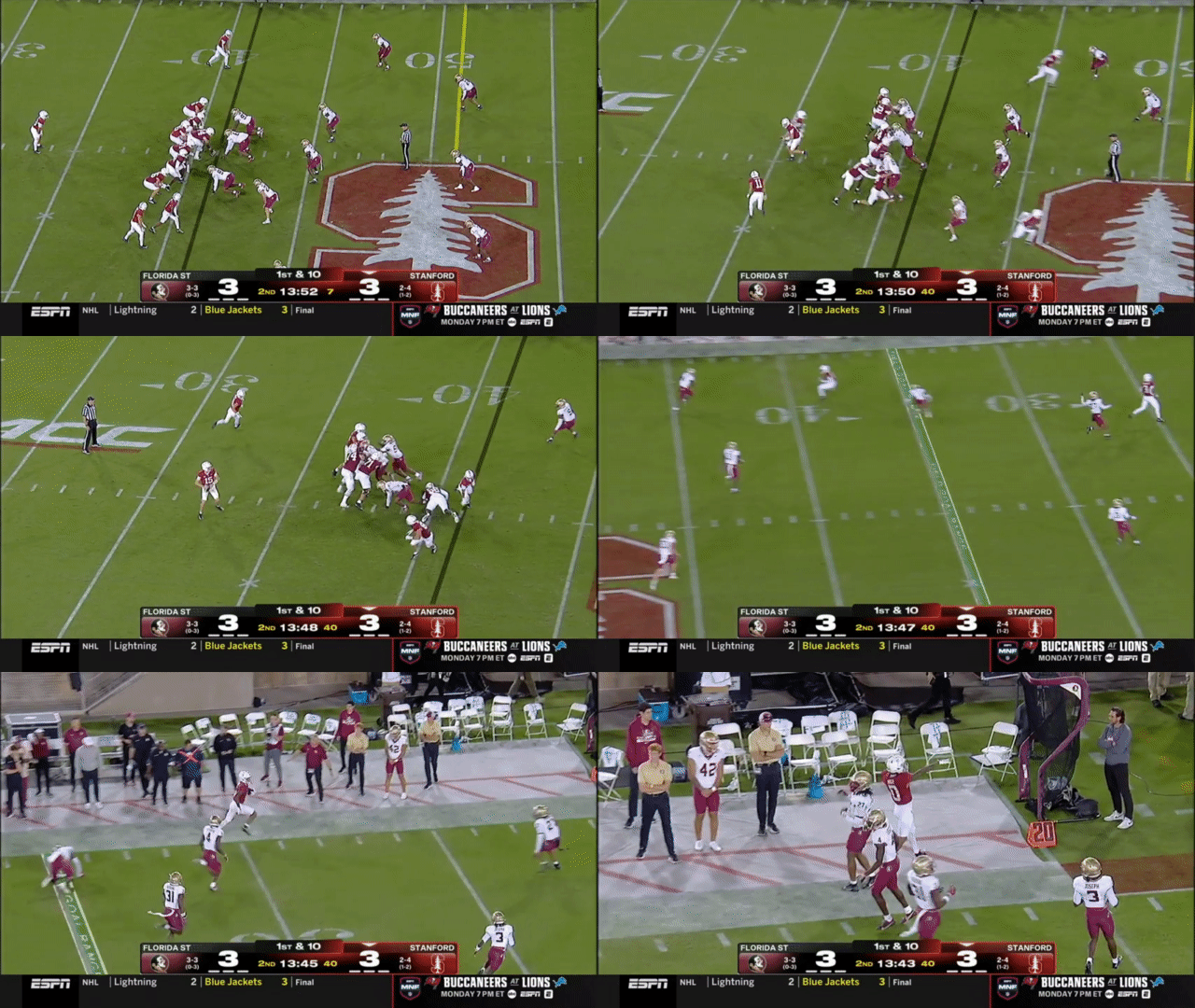
Like Williams, High can also create after the catch:
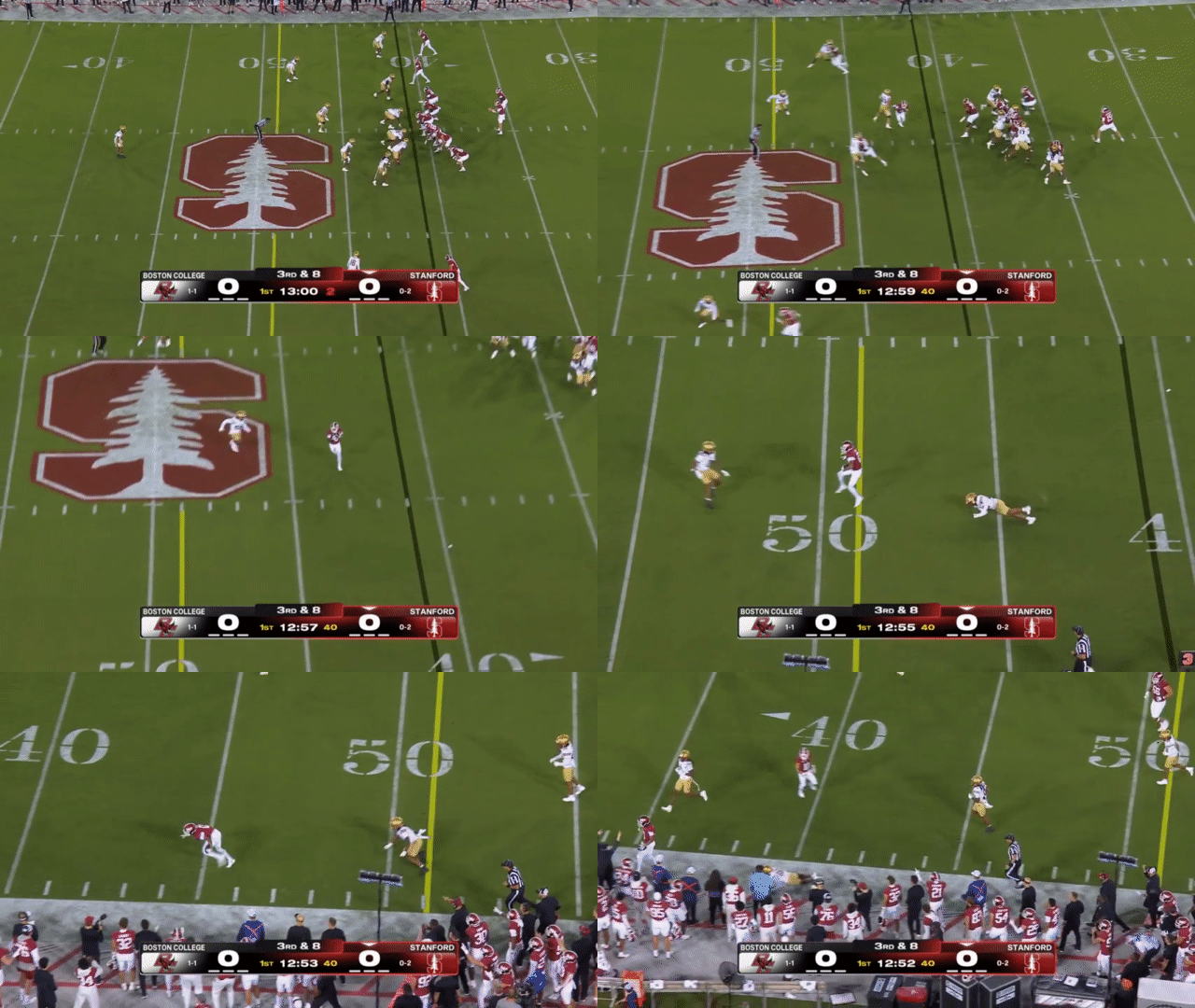
On the other side of the field from CJ Williams (the X receiver) is Bryce Farrell at the WR-Z. Farrell is primarily a speedster (used for jet sweeps and such), and will use his speed to get open:
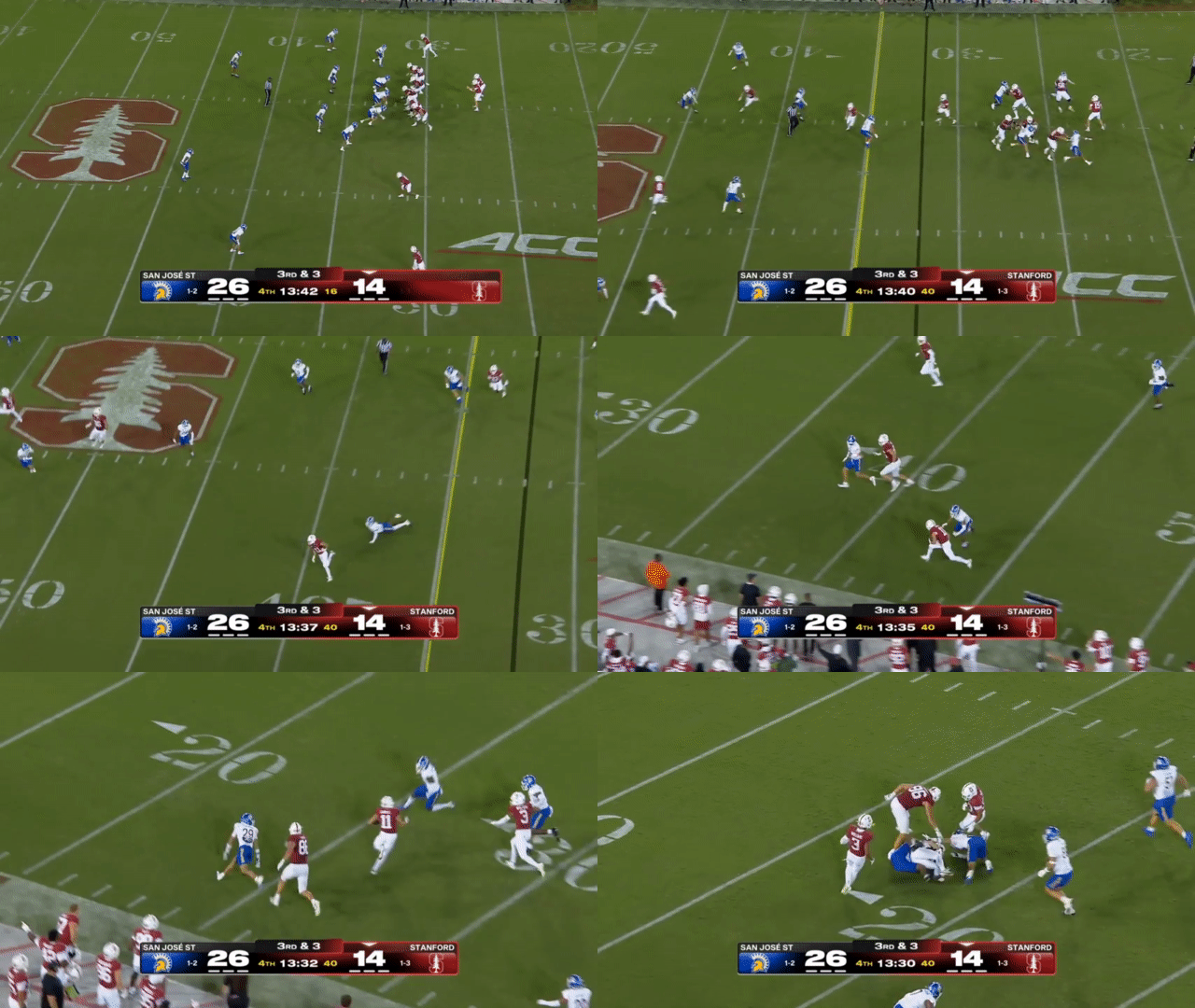
Farrell can use that speed to get open deep:
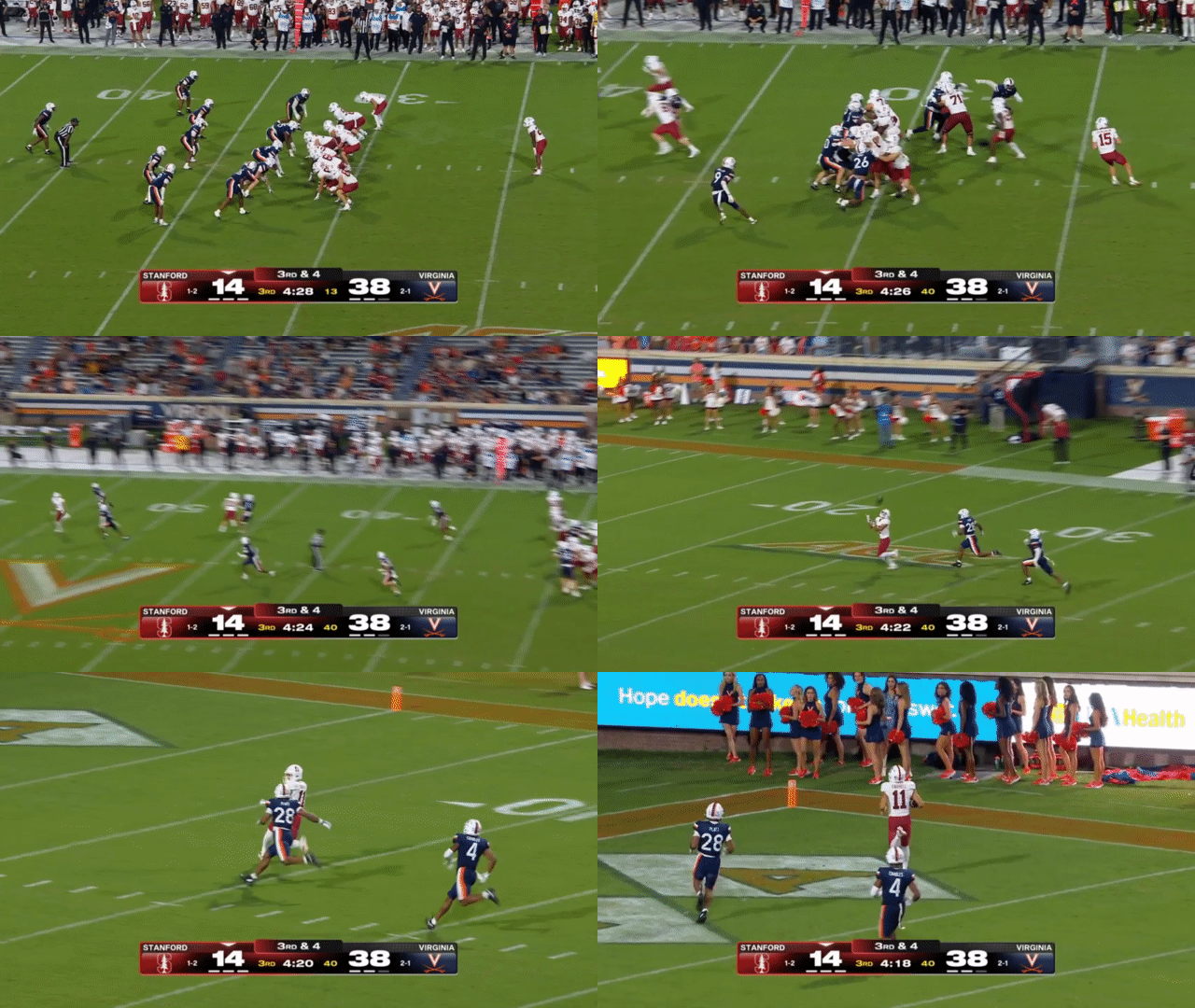
And he can also freeze a corner with his route running:
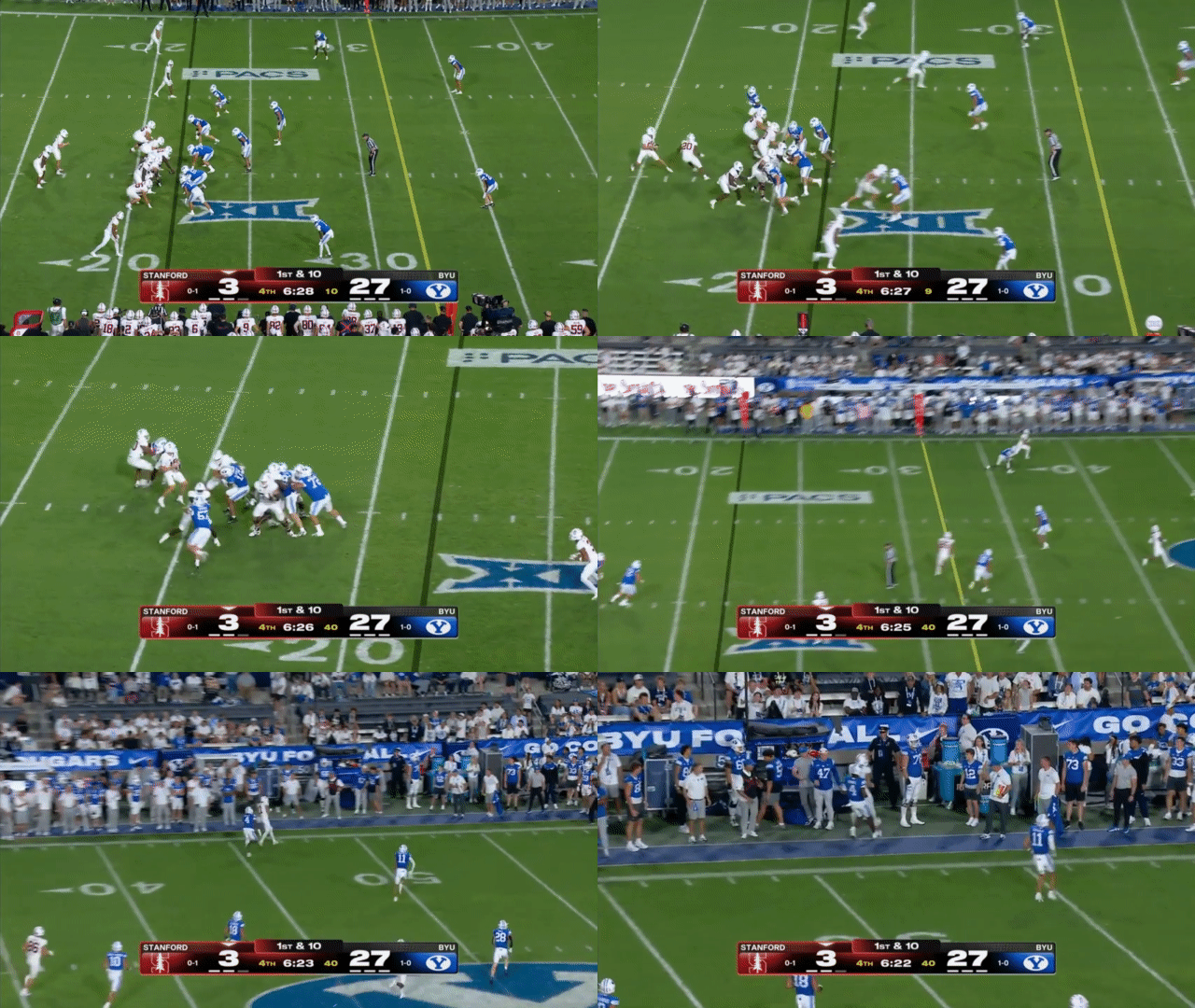
Stanford will use a lot of multi-TE sets, particularly in the run game, some here’s one play where they again used a team’s run defense against them:
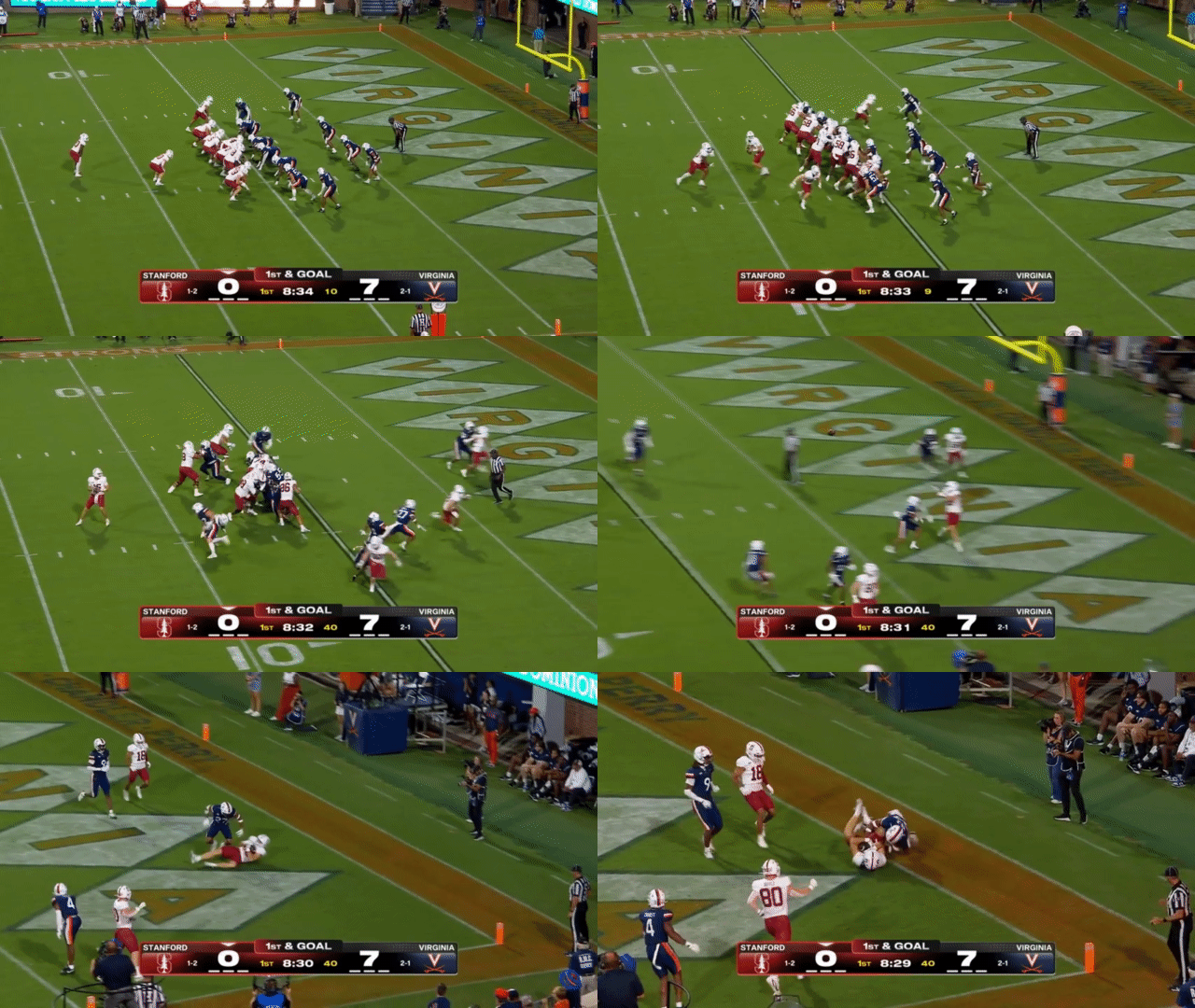
Stanford has good receivers that have elevated the quarterback, as opposed to the other way around.
Special teams / Miscellaneous
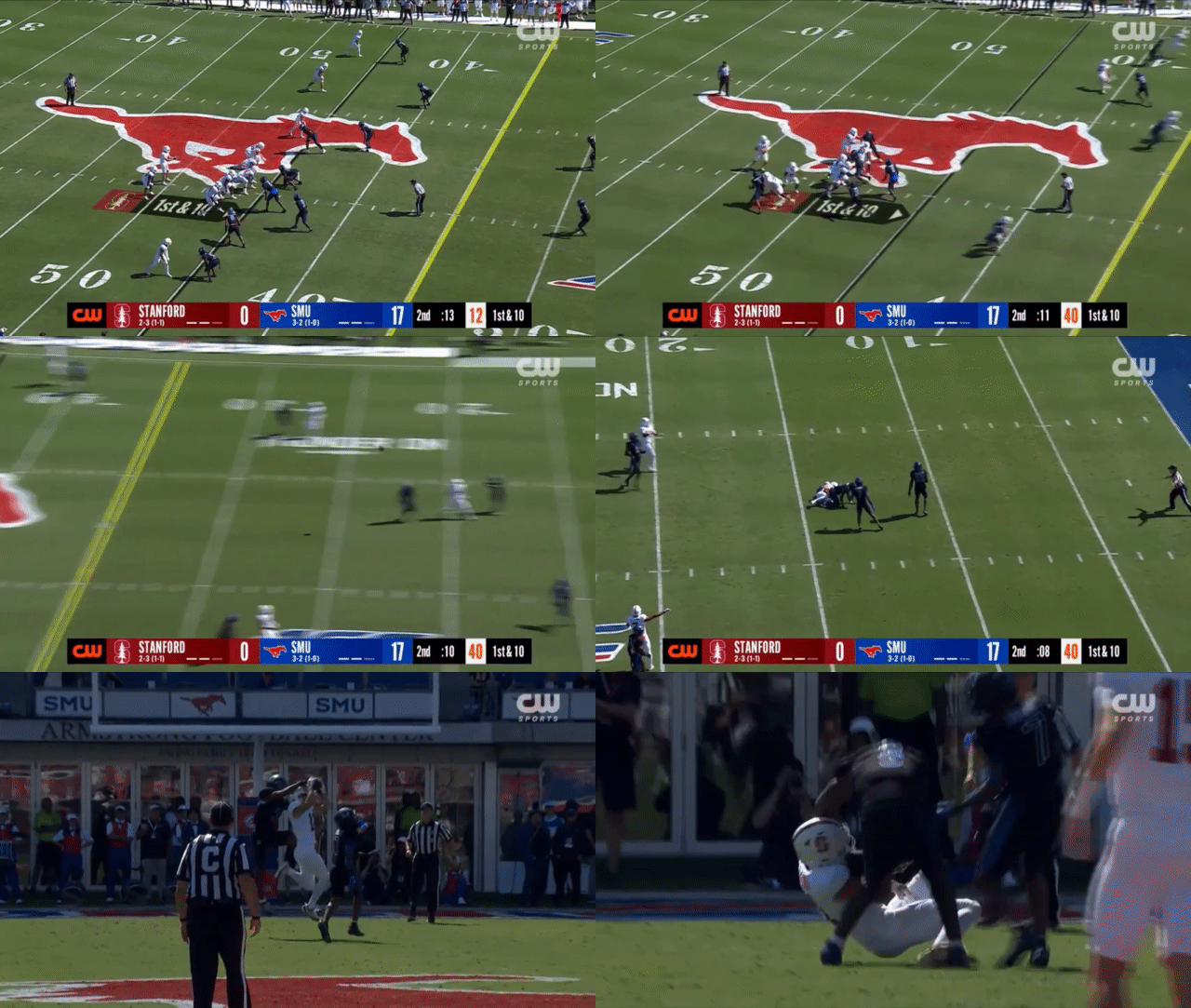
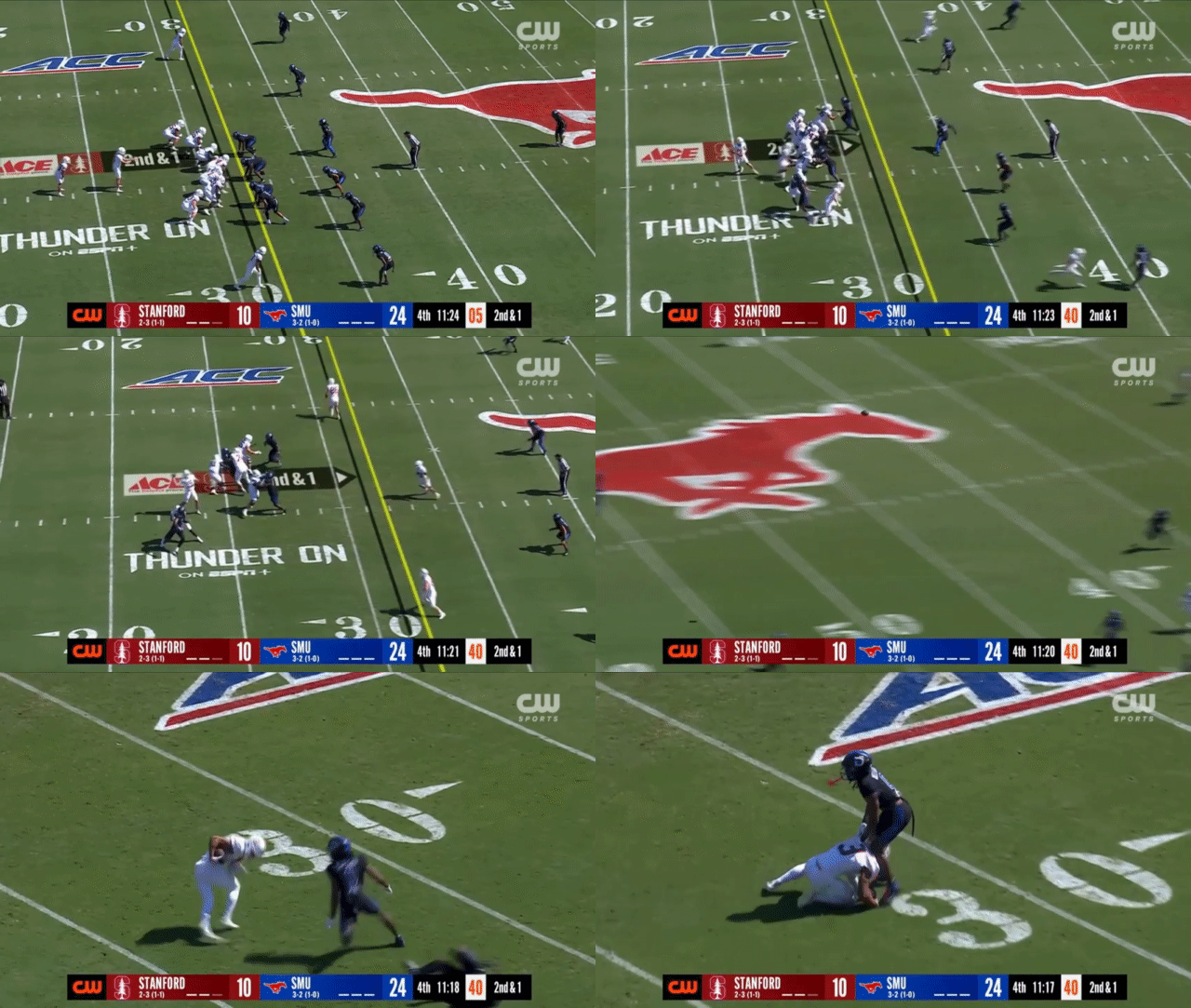
This doesn’t show up on the stat sheet (because there was an SMU penalty on the FG try, Stanford accepted, and then turned it over on downs), but Stanford kicker Emmet Kenney hit a FG from 52 yards with plenty of leg, so safe to say that they have a kicker with some range:
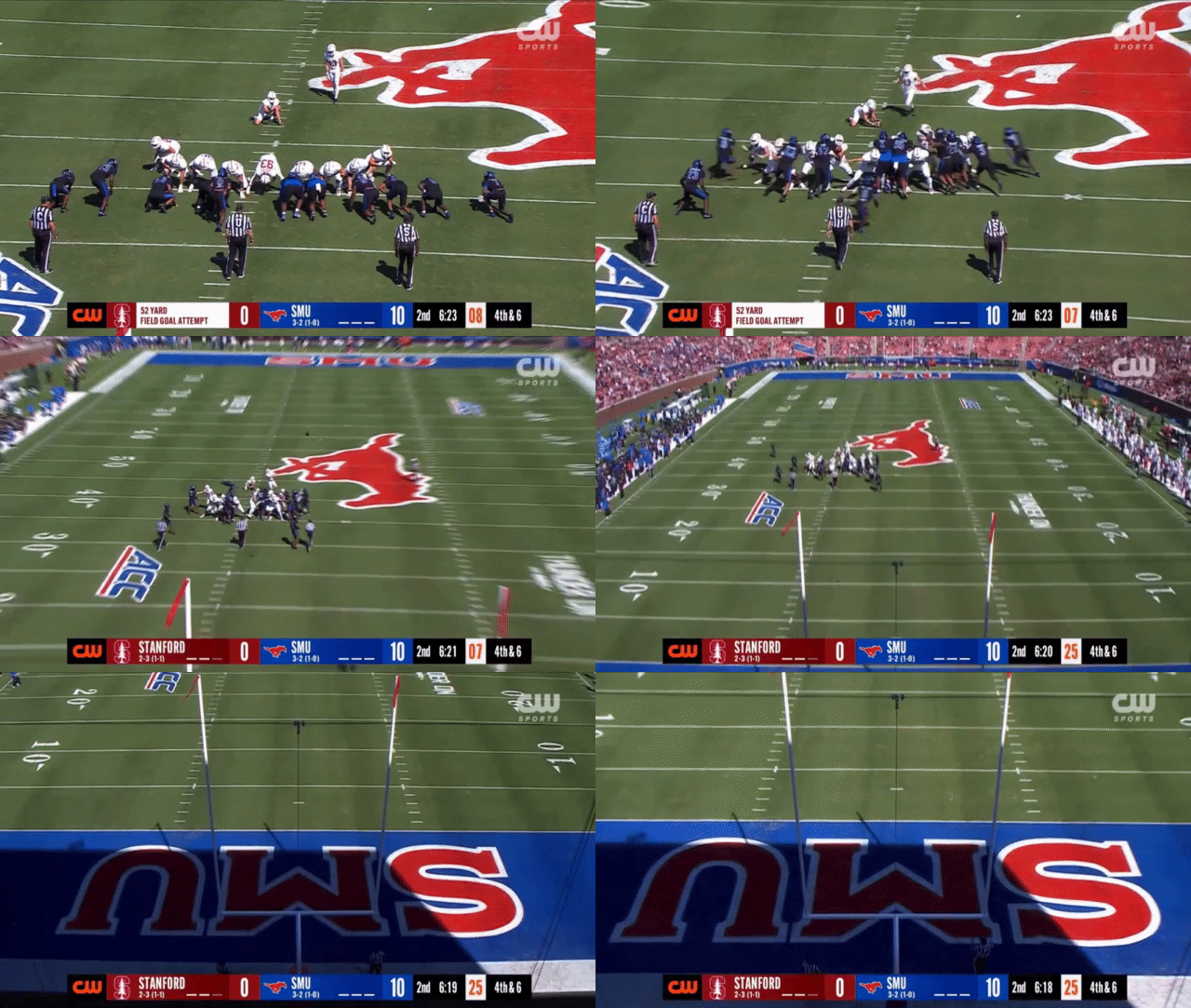
Usually Stanford is playing from behind and desperate for touchdowns, which is why there hasn’t been much FG kicking on display, but it might matter in a close game.
Another thing to keep an eye on is some Shayne Skov type of play from the Stanford defense:
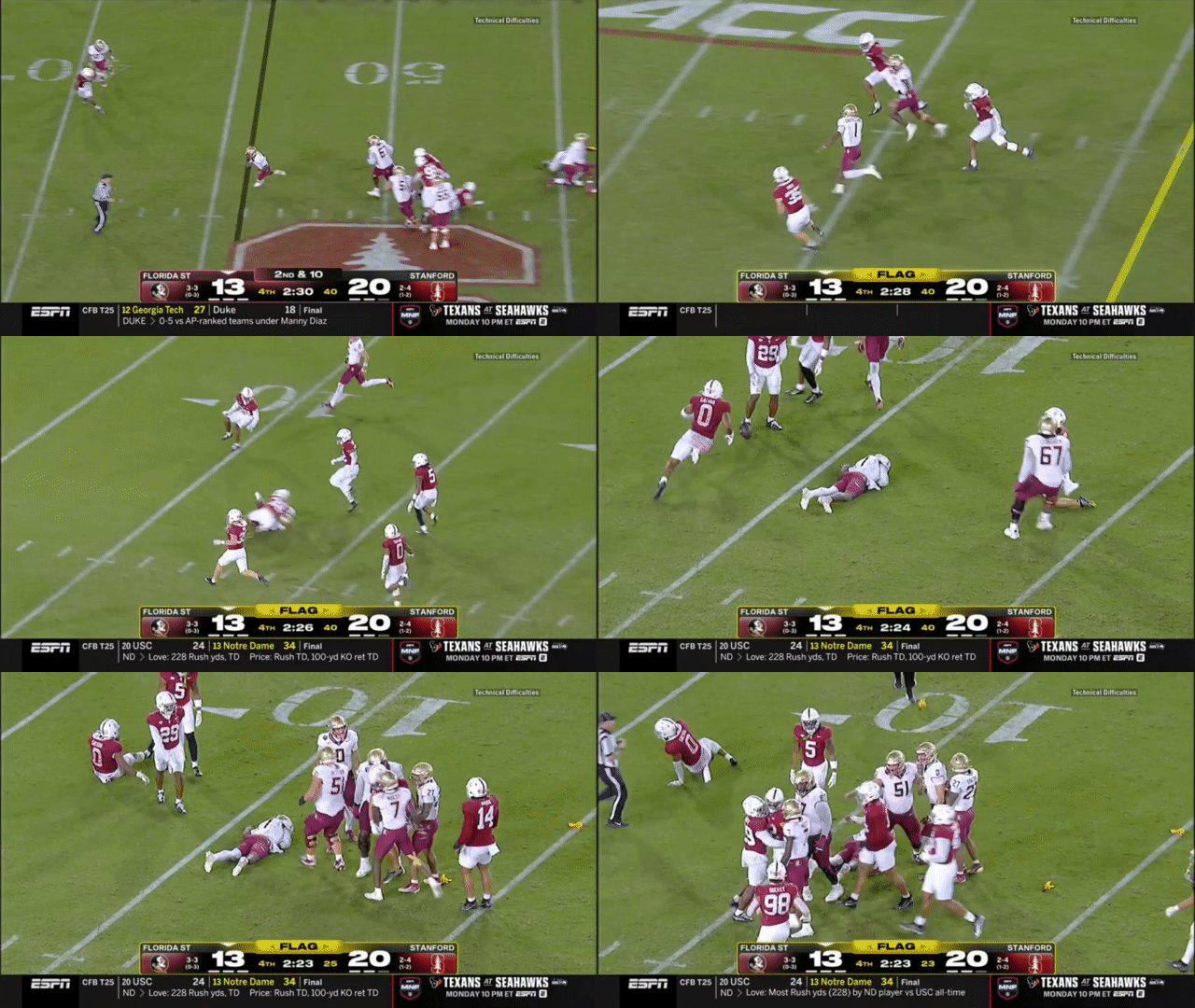
You know exactly what I’m talking about.
Conclusion
A lot of Stanford’s offense this year has been predicated on first establishing a strong run game, and then building the passing game off the defense’s reaction to that (e.g. play-action passes, trying to get man coverage to the outside, throwing it deep as a receiver gets behind the defense, etc). The problem for Stanford this year is that—despite the talented running backs—they have not been able to establish that strong run game. My strong suspicion for the Big Game is that Stanford will look to build on what Boston College did to the Cal defense—even though Boston College was also terrible at running the ball, they found a lot of success against a weak Cal run defense. I think whether or not Stanford can establish the run is the key to watch for this game. Stanford has a good defensive end in Clay Patterson, a strong inside linebacker in Matt Rose, and a talented corner in Collin Wright, but overall, this is a Stanford defense that will make a ton of mistakes, particularly in the secondary. Cal should be able to move the ball through the air against Stanford, but the Cal defense will need to make sure that the Stanford offense doesn’t minimize possessions by running a slow, methodical, clock-heavy run game to keep the ball out of Cal’s hands as they reliably pick up chunks of yards on the ground. If Stanford can be forced into obvious passing situations, the offense will struggle. My honest expectation is that this game is going to be uncomfortably close, the way previous Big Games have been in recent years, but a return to 2021 would be nice.
See you all in Palo Alto, standing on those nice Stanford chairs.
GO
F—ING
BEARS.
You can find my full clips here.
Don’t forget the robber baron himself, Leland Stanford, who endorsed the Chinese Exclusion Act while cashing in on Chinese labor, facilitated the genocide of Native Americans, and used public office to enrich his railroad monopoly!
I feel like Stanford being even worse than us has saved Wilcox job last few years